The luxury handbag market represents not just a segment of high fashion but a robust economic indicator and a symbol of opulence and exclusivity. This discussion delves into the top 10 most expensive luxury handbags, focusing on their market dynamics, global reach, prevailing trends, and their overarching impact on both the niche market of affluent consumers and the general global customer market.
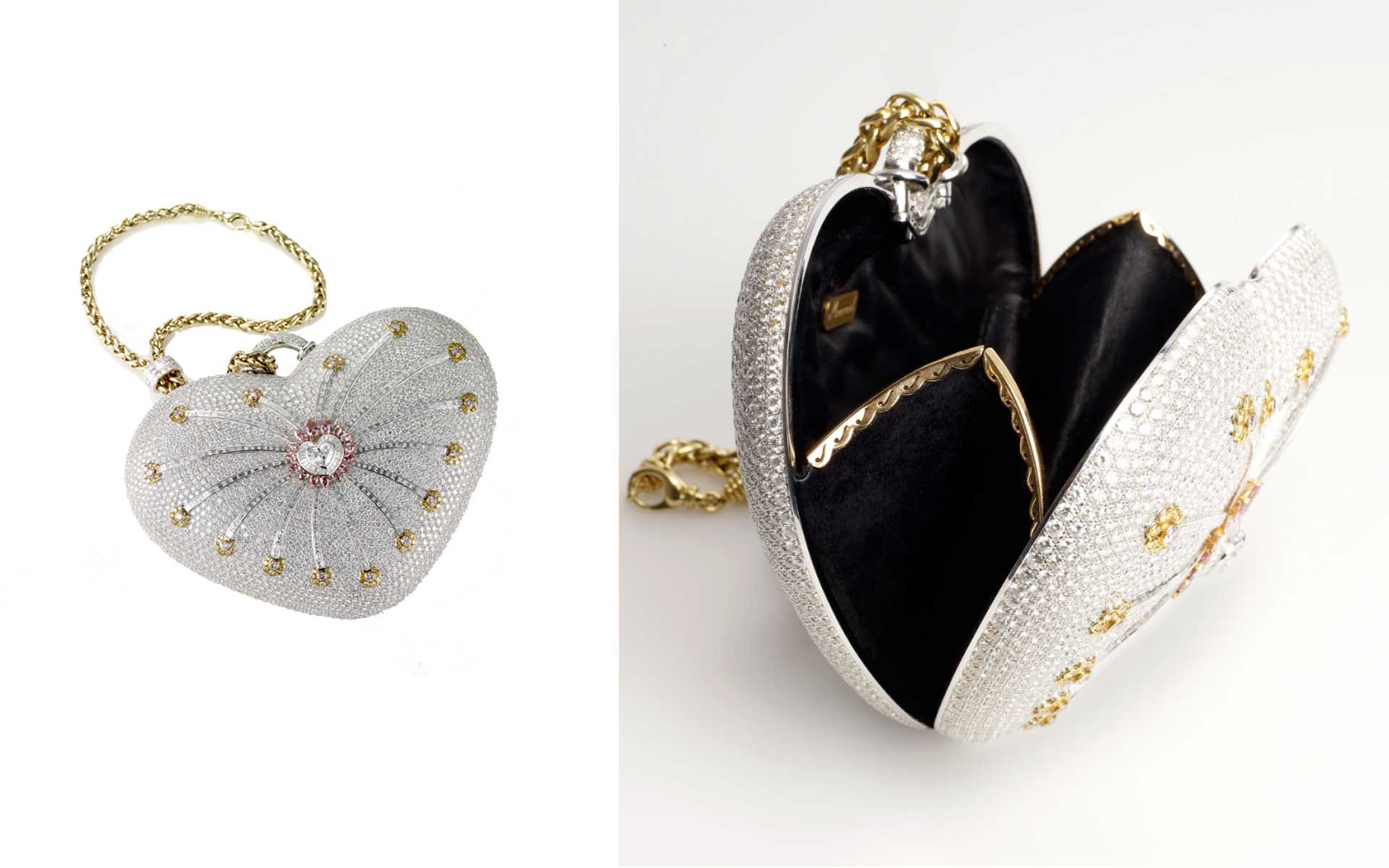
1. **Mouawad 1001 Nights Diamond Purse**: At $3.8 million, this handbag holds the record for the most expensive in the world, as recognized by the Guinness World Records. Its creation required over 8,800 hours of labor and features 4,517 diamonds.

2. **Hermès Kelly Rose Gold Bag**: Priced at $2 million, this bag is crafted from solid rose gold and adorned with 1,160 diamonds. It blurs the lines between a handbag and a piece of exquisite jewelry, emphasizing luxury brands’ push towards creating multi-functional luxury goods.
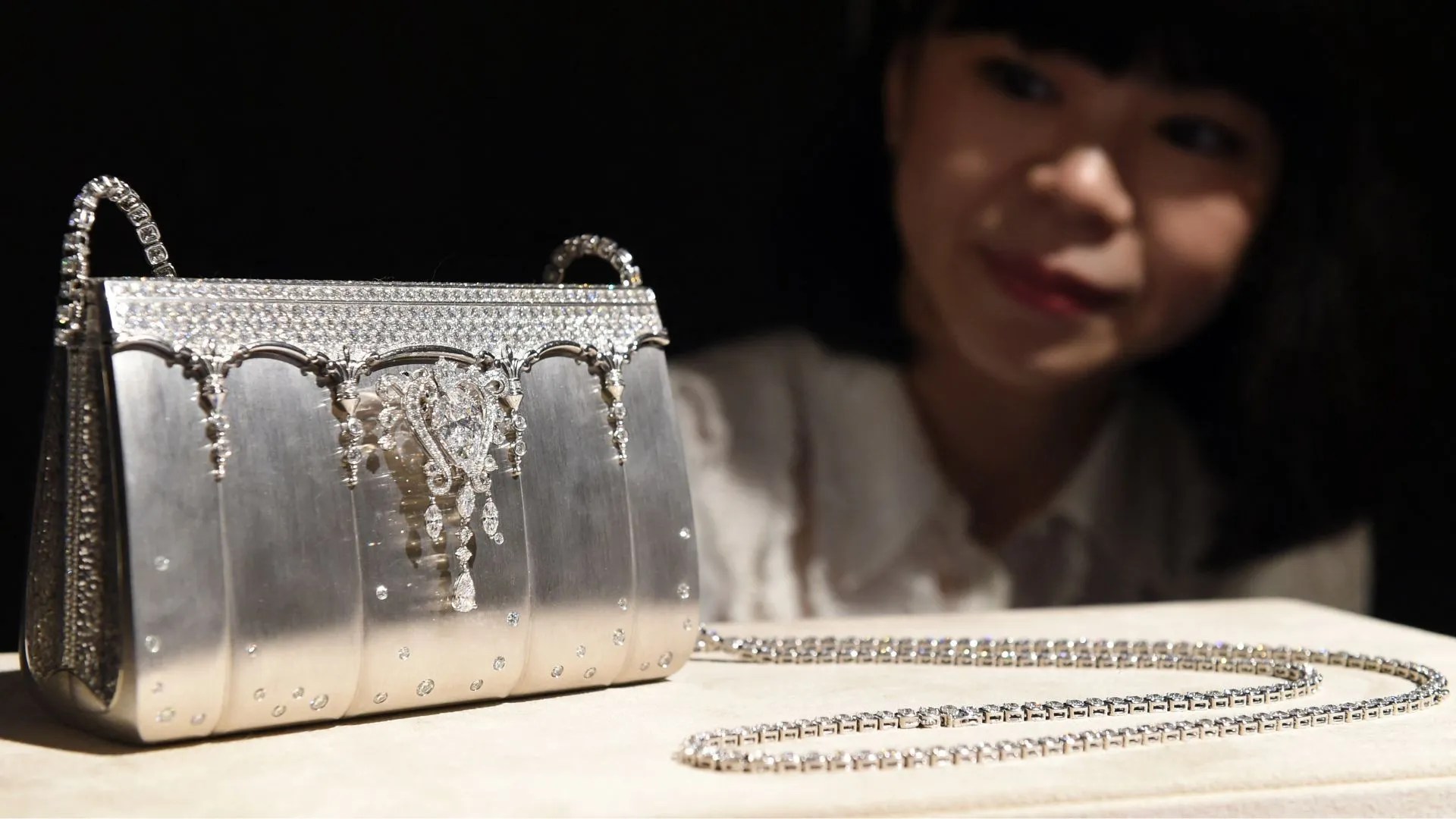
3. **Hermès Birkin Bag by Ginza Tanaka**: This $1.9 million handbag is notable not just for its price but for its versatility. Made from platinum and adorned with more than 2,000 diamonds, it features a diamond strap that can be detached and worn as a necklace, showcasing the innovative design approach of luxury brands.
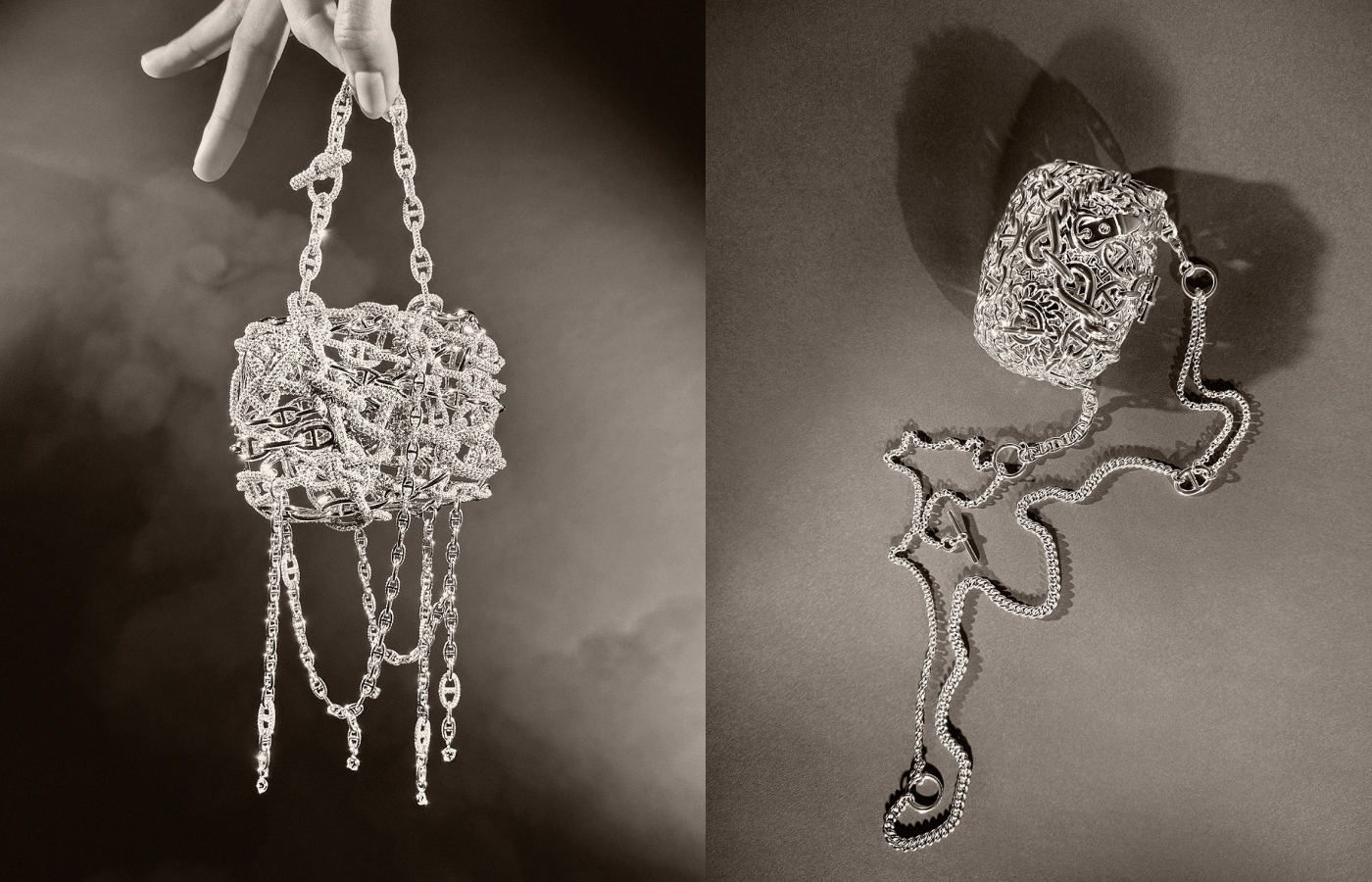
4. **Hermès Chaine d’Ancre Bag**: Valued at $1.4 million, this bag is a testament to Hermès’ craftsmanship, featuring a chain link design made from precious metals and diamonds, encapsulating the brand’s iconic design ethos.

5. **Lana Marks Cleopatra Clutch**: With versions that range up to $400,000, this clutch is a red carpet staple, known for its exclusive annual editions each varying in design to maintain uniqueness and exclusivity.

6. **Chanel “Diamond Forever” Classic Bag**: At $261,000, this handbag combines the timeless Chanel style with the luxury of 334 diamonds and white gold. Only 13 of these bags were ever made, adding to their exclusivity and allure.

7. **Hermès Himalaya Birkin**: Known for its rare materials and coloring that resembles the snowy caps of the Himalayas, this bag is often auctioned for around $500,000, highlighting its investment value and desirability among collectors.

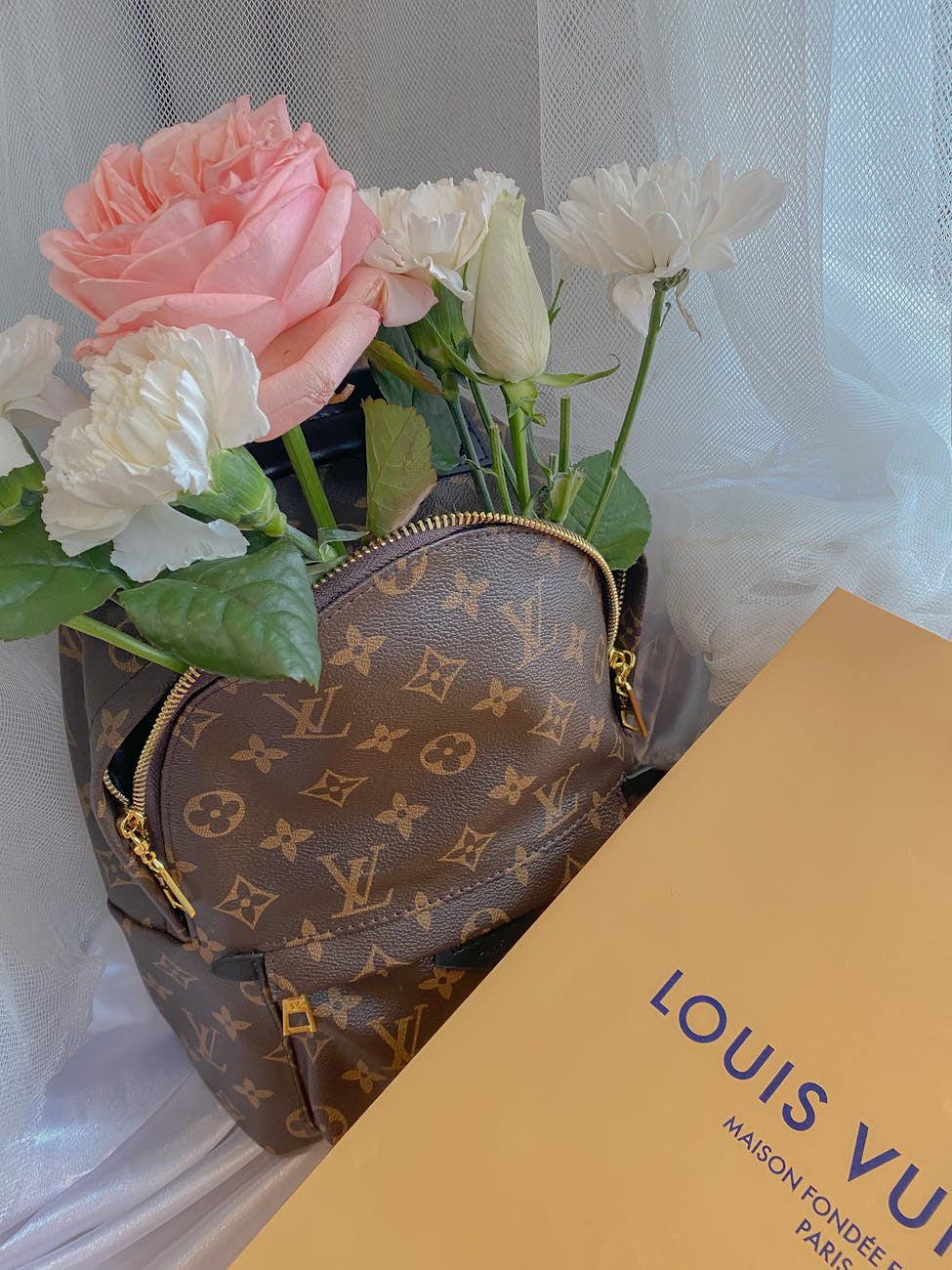
8. **Louis Vuitton Urban Satchel**: Made from a mix of urban debris, this bag is priced at $150,000, emphasizing Louis Vuitton’s innovative approach to luxury that merges high fashion with contemporary art and commentary.
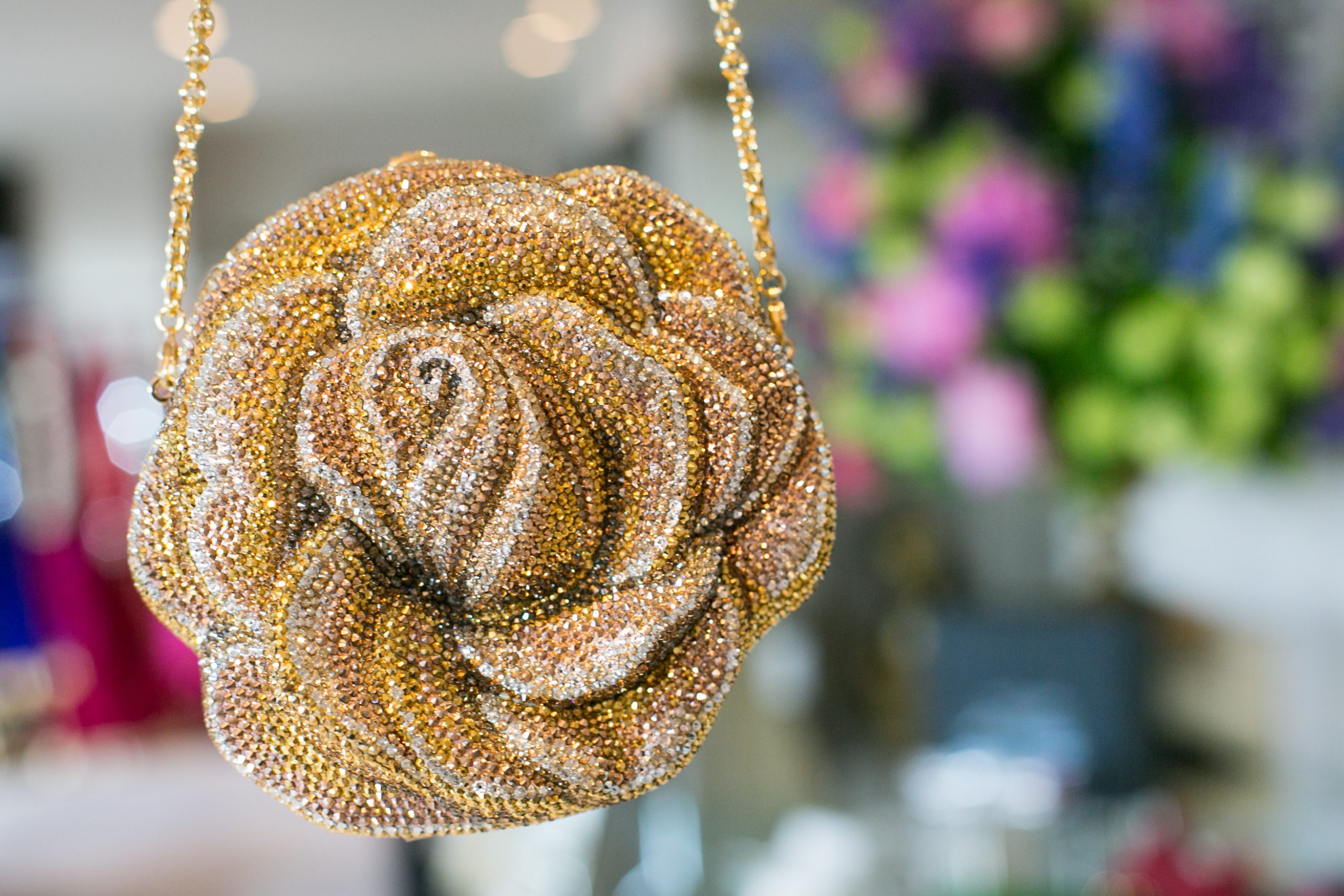
9. **Leiber Precious Rose Bag**: Worth $92,000, this handbag is shaped like a rose and encrusted with hundreds of precious stones, showcasing Judith Leiber’s unique approach to blending art with accessory design.

10. **Fendi Selleria Bag**: At $38,000, this handbag represents a more accessible segment of the ultra-luxury market but still underscores the brand’s commitment to craftsmanship with custom options and exquisite materials.
The trend in the luxury handbag market leans heavily towards unique, handcrafted pieces that offer more than just a fashion statement—they are seen as investments. These bags often appreciate in value, especially those produced in limited quantities and featuring bespoke elements.
The global reach of these luxury items extends far beyond their immediate buyers. They influence fashion trends worldwide, impacting consumer expectations and the strategies of both luxury and mid-tier brands. High-end handbags also reflect broader societal trends, such as the increasing emphasis on sustainability and ethical production processes in luxury fashion. The resonance of these bags in popular culture—often spotlighted by celebrities and the media—further amplifies their impact, making them pivotal in setting global fashion trends.
The luxury handbag market not only exemplifies the apex of craftsmanship and exclusivity but also demonstrates the dynamic interplay between economic status and cultural capital. As these handbags continue to captivate the imagination of consumers worldwide, they remain not just accessories but critical markers of socio-economic trends and fashion industry shifts.
Why luxury handbag represent not just a segment of high fashion but robust economic indicator and symbol of opulence and exclusivity?
Luxury handbags have long been seen as more than just a fashion accessory. They serve as powerful symbols of opulence and exclusivity, reflecting not only personal style but also social status and economic health. In recent years, luxury handbags have grown in significance, acting as robust economic indicators and vital components of the global market. Their role transcends high fashion, influencing consumer behavior and market trends across various demographics.
The global luxury handbag market has shown remarkable resilience and growth, driven by a mix of established brands and emerging designers. According to a report by Bain & Company, the global luxury market, including handbags, was valued at approximately $300 billion in 2023, with handbags accounting for a significant portion. This segment alone saw an annual growth rate of about 8%, even amid economic uncertainties. The appeal of luxury handbags extends beyond their aesthetic value; they are seen as investment pieces that often appreciate over time. This perception has led to a surge in demand, particularly in regions with growing affluent populations such as Asia-Pacific.
The trends in the luxury handbag market are shaped by several factors, including changing consumer preferences, technological advancements, and the increasing influence of social media. Consumers today are more informed and discerning, seeking products that offer both quality and exclusivity. Brands like Louis Vuitton, Chanel, and Hermès have capitalized on this demand by producing limited-edition pieces that create a sense of urgency and exclusivity. The Hermès Birkin bag, for instance, has become a cultural icon, often seen as a symbol of ultimate luxury and status. The demand for such iconic pieces has led to long waiting lists and premium resale values, sometimes exceeding the original purchase price.
Technological advancements have also played a crucial role in shaping the luxury handbag market. The rise of e-commerce has made luxury handbags more accessible to a global audience. Online platforms such as Farfetch, Net-a-Porter, and the RealReal have revolutionized the way consumers shop for luxury items, offering a curated selection of new and pre-owned handbags. This has opened up new revenue streams for brands and allowed consumers to explore a wider range of products. Moreover, social media platforms like Instagram and TikTok have become powerful marketing tools, enabling brands to engage with younger audiences and influencers to showcase the latest trends.
The impact of luxury handbags on the world market is multifaceted. On one hand, they drive significant economic activity, contributing to job creation and revenue generation. Luxury brands often employ skilled artisans and craftspeople, preserving traditional techniques and craftsmanship. On the other hand, the high demand for these products can strain resources and raise ethical concerns, such as the use of exotic materials and labor practices. To address these issues, many brands are adopting sustainable practices, using ethically sourced materials and promoting transparency in their supply chains.
Luxury handbags also influence consumer behavior on a broader scale. They represent aspirations and dreams, often associated with success and achievement. For many consumers, owning a luxury handbag is a milestone, a tangible reward for hard work and financial success. This aspirational value drives demand, creating a robust secondary market for pre-owned handbags. The resale market has grown exponentially, with platforms like Vestiaire Collective and Fashionphile offering authenticated luxury items at a fraction of the original price. This not only makes luxury more accessible but also promotes a circular economy, reducing waste and extending the lifecycle of these products.
The recent trends in the luxury handbag market reflect broader economic and social dynamics. For instance, the COVID-19 pandemic had a profound impact on consumer behavior, with a shift towards online shopping and a greater emphasis on self-reward and indulgence. Despite economic uncertainties, the demand for luxury handbags remained strong, driven by a desire for comfort and a sense of normalcy. Brands adapted by enhancing their online presence and offering personalized shopping experiences through virtual consultations and digital fashion shows.
One notable trend is the rise of new luxury markets, particularly in Asia-Pacific. Countries like China and India have seen a surge in affluent consumers, driving demand for luxury handbags. According to McKinsey, China accounted for more than 40% of global luxury sales in 2023, with handbags being a popular category. This growth is fueled by a combination of rising disposable incomes, changing lifestyles, and a growing appreciation for luxury goods. Brands are increasingly tailoring their products and marketing strategies to cater to these markets, recognizing their potential for long-term growth.
Another interesting development is the growing popularity of gender-neutral and men’s luxury handbags. Traditionally seen as a women’s accessory, luxury handbags are now being embraced by men and non-binary consumers, reflecting broader shifts in fashion and societal norms. Brands like Gucci, Prada, and Balenciaga have introduced collections that appeal to a more diverse audience, breaking down traditional gender barriers and expanding their customer base.
Luxury handbags represent more than just a segment of high fashion; they are robust economic indicators and symbols of opulence and exclusivity. The market for these coveted items continues to grow, driven by evolving consumer preferences, technological advancements, and the influence of social media. As the world becomes more interconnected, the appeal of luxury handbags transcends borders, reflecting broader economic and social trends. The resilience and adaptability of this market underscore its significance, not only as a driver of economic activity but also as a reflection of cultural and societal values. Whether seen as investment pieces or aspirational symbols, luxury handbags remain an enduring testament to the allure of exclusivity and the ever-evolving world of high fashion.
Why the luxury handbag enthusiast sees the handbag that is unique and well handcrafted pieces as an investment?
The luxury handbag market has evolved significantly over the past few decades, with enthusiasts now seeing unique and well-crafted pieces not just as fashion accessories, but as investments. This shift is fueled by several factors, including the meticulous craftsmanship, limited availability, and the increasing recognition of these handbags as status symbols. The trend has impacted the global market in various ways, influencing both consumer behavior and economic patterns.
To understand why luxury handbags are considered investments, it is essential to look at the intricate craftsmanship that goes into creating these pieces. Brands like Hermès, Chanel, and Louis Vuitton employ highly skilled artisans who spend countless hours perfecting each bag. The use of premium materials, such as rare leathers and precious metals, further adds to their value. For instance, a Hermès Birkin bag, often crafted from exotic skins like crocodile, can take up to 48 hours to produce. This level of dedication and quality is what differentiates luxury handbags from mass-produced items and makes them desirable to collectors.
The limited production runs of these handbags also contribute to their investment appeal. Luxury brands often release limited editions or seasonal collections, creating a sense of exclusivity. The scarcity of these bags means that their value can appreciate over time, especially if they are well-maintained. According to a 2021 report by Art Market Research, the value of rare Hermès handbags has increased by 13% annually over the past decade, outperforming traditional investments like gold and real estate. This trend is not limited to Hermès; Chanel’s iconic 2.55 handbag and Louis Vuitton’s Capucines have also seen significant appreciation in value.
The global luxury handbag market has experienced substantial growth, driven by the increasing demand for high-end products in emerging markets. According to Statista, the luxury handbag market was valued at approximately $55 billion in 2020, with a projected compound annual growth rate (CAGR) of 5.6% from 2021 to 2028. This growth is particularly pronounced in regions like Asia-Pacific, where rising disposable incomes and a growing middle class are fueling the demand for luxury goods. China, in particular, has emerged as a key market, with Chinese consumers accounting for over 30% of global luxury sales in 2020.
The investment potential of luxury handbags is also evident in the resale market. Platforms like The RealReal, Vestiaire Collective, and Rebag have made it easier for consumers to buy and sell pre-owned luxury handbags. These platforms authenticate the products, ensuring buyers receive genuine items, which further boosts consumer confidence. In 2021, The RealReal reported that sales of luxury handbags increased by 70% year-over-year, highlighting the robust demand in the secondary market. Additionally, a report by Bain & Company estimated that the secondhand luxury market could grow to $36 billion by 2024, with handbags being a significant driver of this growth.
The trend of viewing luxury handbags as investments has also impacted consumer behavior. Traditionally, luxury handbags were seen as personal indulgences or status symbols. However, the perception has shifted towards viewing these items as assets that can generate returns. This change in mindset has led to more thoughtful purchasing decisions, with buyers focusing on timeless designs and iconic models that are likely to retain or increase in value. For example, the Hermès Birkin and Kelly bags are often at the top of collectors’ wish lists due to their consistent appreciation in value.
The impact of this trend extends beyond individual consumers to the broader luxury market. Brands have responded by emphasizing their heritage, craftsmanship, and exclusivity in marketing campaigns. They are also leveraging digital platforms to reach a wider audience and engage with younger consumers who are increasingly interested in luxury investments. For instance, Gucci and Dior have successfully utilized social media and e-commerce to attract millennial and Gen Z buyers, who are projected to account for 55% of the global luxury market by 2025, according to Bain & Company.
Moreover, the investment potential of luxury handbags has caught the attention of financial institutions and investors. Some investment firms are now offering funds that invest in luxury goods, including handbags, as part of a diversified portfolio. These funds capitalize on the growing recognition of luxury items as alternative assets, providing investors with an opportunity to benefit from the appreciation in value of these goods. Additionally, auction houses like Christie’s and Sotheby’s have seen record-breaking sales of luxury handbags, further validating their status as valuable assets.
The trend of luxury handbags as investments also has broader economic implications. It has spurred growth in related industries, such as authentication services, storage solutions, and insurance for luxury goods. Companies specializing in these areas have emerged to cater to the needs of collectors and investors, creating new business opportunities and jobs. For instance, companies like Entrupy offer advanced technology for authenticating luxury handbags, while others provide secure storage facilities for high-value items.
Recent events have also influenced the luxury handbag market. The COVID-19 pandemic, for example, led to a surge in online sales of luxury goods as physical stores were temporarily closed. This shift to e-commerce has made luxury handbags more accessible to a global audience, further driving demand. Additionally, the pandemic highlighted the resilience of the luxury market, as consumers continued to seek out high-quality, investment-worthy products despite economic uncertainties.
The trend of viewing luxury handbags as investments is driven by their exceptional craftsmanship, limited availability, and status as symbols of wealth and taste. This trend has significantly impacted the global market, influencing consumer behavior, boosting the resale market, and creating new business opportunities. With the continued growth of the luxury market and the increasing recognition of handbags as valuable assets, it is likely that their appeal as investments will only strengthen in the coming years. Brands, consumers, and investors alike are poised to benefit from this evolving landscape, making luxury handbags a fascinating and dynamic segment of the fashion industry.
How the influence of expensive luxury handbag also impacting consumer expectations and the strategies of both luxury and mid tier brands?
The allure of expensive luxury handbags has long captivated consumers, influencing their expectations and shaping the strategies of both luxury and mid-tier brands. This phenomenon is not merely a superficial trend but a significant force in the global market, impacting consumer behavior and brand tactics in profound ways.
Luxury handbags are often seen as symbols of status and wealth, commanding high prices and exclusive appeal. In 2023, the global luxury handbag market was valued at approximately $72 billion, with projections suggesting it could reach $100 billion by 2030. Brands like Louis Vuitton, Chanel, and Hermès dominate this market, each with iconic products that have become cultural touchstones. For instance, Hermès’ Birkin bag, often priced upwards of $10,000, is not just a bag but a statement of sophistication and financial success.
This high demand for luxury handbags is driven by several factors. First, there is the perceived investment value. Unlike many consumer goods, certain luxury handbags appreciate over time. A study by Art Market Research found that some designer handbags have increased in value by 83% over the past decade, outperforming even traditional investments like gold. This has attracted not just fashion enthusiasts but also investors seeking to diversify their portfolios.
The influence of these luxury items extends beyond the confines of the elite, permeating the expectations of general consumers. Mid-tier brands have adapted by incorporating elements of luxury into their offerings, striving to deliver a semblance of high-end appeal at more accessible price points. This strategy is evident in brands like Michael Kors and Coach, which have successfully positioned themselves in the “affordable luxury” segment. Their products often feature high-quality materials and designs inspired by top-tier brands, providing consumers with a taste of luxury without the exorbitant cost.
Moreover, the rise of social media has amplified the impact of luxury handbags. Platforms like Instagram and TikTok have become virtual runways where influencers showcase their latest acquisitions, creating a ripple effect in consumer aspirations. A study by Deloitte found that 47% of millennials are influenced by social media when making luxury purchases. This trend has pressured both luxury and mid-tier brands to maintain a strong online presence and engage with consumers through digital channels.
The impact of this trend is multifaceted. For luxury brands, there is an increased emphasis on exclusivity and innovation. Brands like Gucci and Prada are not just selling handbags but an entire lifestyle, often collaborating with artists and designers to create limited-edition pieces. This exclusivity drives demand and allows these brands to maintain their premium pricing.
Mid-tier brands, on the other hand, are focusing on bridging the gap between luxury and affordability. By offering products that are aspirational yet attainable, these brands attract a broader consumer base. For example, Kate Spade’s handbags, priced between $200 and $500, offer stylish designs and quality craftsmanship, appealing to consumers who desire luxury without breaking the bank.
The ripple effect of this trend also impacts the global market. The Asia-Pacific region, particularly China, has emerged as a significant player in the luxury handbag market. Chinese consumers accounted for about one-third of global luxury sales in 2022, with a growing middle class increasingly seeking luxury products. Brands are responding by expanding their presence in these markets and tailoring their products to cater to local tastes and preferences.
In addition to geographical expansion, there is a notable shift towards sustainability in the luxury handbag market. With growing environmental awareness, consumers are increasingly considering the ethical implications of their purchases. Brands like Stella McCartney are leading the charge by using sustainable materials and ethical manufacturing practices. This trend is also influencing mid-tier brands to adopt more sustainable practices, as consumers across the spectrum become more environmentally conscious.
The integration of technology is another significant aspect of the evolving luxury handbag market. Brands are leveraging digital innovations to enhance the customer experience. For instance, augmented reality (AR) allows consumers to virtually try on handbags, while blockchain technology ensures the authenticity of luxury goods, combating the issue of counterfeiting. This technological integration not only improves customer engagement but also adds a layer of transparency and trust in the market.
The strategies of both luxury and mid-tier brands are continuously evolving to keep pace with consumer expectations. For luxury brands, maintaining exclusivity while innovating is key. Collaborations, limited editions, and personalized services are becoming standard practices. In contrast, mid-tier brands are focusing on accessibility, offering products that combine style, quality, and affordability. They are also leveraging digital platforms to reach a wider audience and enhance customer interaction.
The influence of expensive luxury handbags is far-reaching, shaping consumer expectations and driving strategic innovations across the luxury and mid-tier markets. The blend of status appeal, investment potential, and the power of social media has created a dynamic landscape where brands must constantly adapt to remain relevant. As the market continues to grow and evolve, with a particular emphasis on sustainability and technology, both luxury and mid-tier brands will need to balance exclusivity and accessibility to meet the diverse demands of modern consumers. The luxury handbag, therefore, is not just a fashion statement but a barometer of broader economic and cultural trends.
How high end luxury handbag reflect broader social trends such as the increasing emphasis on sustainability and ethical production process in luxury fashion?
High-end luxury handbags have long been symbols of wealth, status, and impeccable taste. However, as social values evolve, so too do the priorities of consumers. Today, the increasing emphasis on sustainability and ethical production processes is reshaping the luxury fashion landscape. This shift is evident in the strategies adopted by leading brands, the changing preferences of consumers, and the broader market dynamics.
One of the most significant trends in the luxury handbag market is the growing demand for sustainable and ethically produced products. This change is driven by a combination of factors, including heightened awareness of environmental issues, the influence of younger, more environmentally conscious consumers, and the increasing availability of information about the impact of fashion production. According to a report by the Boston Consulting Group, 75% of consumers consider sustainability when making a purchase, and this figure is even higher among millennials and Gen Z.
Luxury brands are responding to this demand by integrating sustainability into their business models. For instance, Gucci has launched its “Gucci Equilibrium” initiative, which aims to reduce the brand’s environmental footprint and promote social good. The company has committed to using 100% sustainable materials by 2025 and has already achieved significant milestones, such as eliminating the use of hazardous chemicals in its production processes and reducing greenhouse gas emissions by 50%.
Similarly, brands like Stella McCartney have built their entire ethos around sustainability. Stella McCartney, known for her commitment to cruelty-free fashion, uses innovative materials like vegan leather and recycled fabrics. Her brand’s approach has resonated with consumers, contributing to its success and setting a standard for others in the industry.
The impact of these changes extends beyond individual brands to the broader luxury market. According to McKinsey & Company, the global market for sustainable fashion is expected to grow from $6.35 billion in 2019 to $8.25 billion by 2023, reflecting a compound annual growth rate of 6.8%. This growth is driven by increasing consumer demand for products that align with their values, as well as regulatory pressures on companies to adopt more sustainable practices.
For the general world customer market, the shift towards sustainability in luxury fashion has several implications. Firstly, it increases the availability of high-quality, ethically produced products, giving consumers more choices that align with their values. This trend also encourages greater transparency in the fashion industry, as brands are more likely to disclose information about their production processes and the origins of their materials. As a result, consumers can make more informed purchasing decisions and support companies that prioritize ethical practices.
Additionally, the emphasis on sustainability and ethical production can lead to innovations in materials and manufacturing processes. For example, the development of bio-based materials, such as lab-grown leather, offers a more sustainable alternative to traditional animal leather. These innovations not only reduce the environmental impact of fashion production but also provide new opportunities for creativity and design in the luxury handbag market.
The impact of these trends is also evident in the financial performance of luxury brands. Companies that have embraced sustainability and ethical production often see positive effects on their bottom line. A study by Nielsen found that products marketed as sustainable grew 5.6 times faster than those that were not. This suggests that consumers are willing to pay a premium for products that they perceive as environmentally friendly and ethically produced.
Furthermore, the shift towards sustainability in luxury fashion has implications for the global supply chain. Brands are increasingly sourcing materials from suppliers that adhere to ethical standards and are investing in technologies that reduce waste and improve efficiency. This shift not only benefits the environment but also supports fair labor practices and economic development in producing countries.
Recent events and trends highlight the importance of sustainability in luxury fashion. The COVID-19 pandemic has accelerated the shift towards more responsible consumption, as consumers reevaluate their priorities and seek products that offer long-term value. Additionally, the rise of the circular economy, which emphasizes the reuse and recycling of materials, has gained traction in the fashion industry. Brands like Hermès have embraced this concept by offering repair services for their products, extending the lifespan of their handbags and reducing waste.
The increasing emphasis on sustainability and ethical production in luxury fashion is also reflected in the marketing strategies of brands. Companies are leveraging social media and digital platforms to communicate their sustainability efforts and engage with consumers. For instance, Burberry has launched a dedicated sustainability section on its website, where it provides detailed information about its environmental and social initiatives. This transparency helps build trust with consumers and reinforces the brand’s commitment to sustainability.
High-end luxury handbags are more than just accessories; they reflect broader social trends and values. The increasing emphasis on sustainability and ethical production in the luxury fashion industry is reshaping consumer preferences, market dynamics, and supply chains. Brands that embrace these trends are not only meeting the demands of environmentally conscious consumers but also driving innovation and setting new standards for the industry. As the market for sustainable fashion continues to grow, the impact of these changes will be felt across the global economy, benefiting both consumers and the environment.
How expensive luxury handbag further amplifies their impact of setting global fashion trends via celebrities and media?
Luxury handbags have long been a symbol of status, wealth, and sophistication. In recent years, their influence on global fashion trends has been further amplified through the strategic use of celebrities and media. As these high-end accessories make their way into the public eye, they shape consumer preferences and drive demand across various markets.
The trend of luxury handbags setting global fashion trends can be traced back to the strategic marketing efforts by renowned brands. Companies like Louis Vuitton, Chanel, Hermès, and Gucci have mastered the art of creating iconic handbags that not only serve as functional accessories but also as status symbols. For instance, the Hermès Birkin bag, named after actress Jane Birkin, has become a cultural icon, with waiting lists spanning years and prices ranging from $10,000 to over $500,000. This exclusivity and high price point create a sense of desire and aspiration among consumers, reinforcing the bag’s status as a luxury item.
One of the key factors driving the impact of luxury handbags on global fashion trends is the endorsement by celebrities. When high-profile figures such as celebrities and influencers are seen carrying these bags, they become trendsetters for the general public. For example, the Kardashian-Jenner family, known for their influence on fashion and beauty trends, have frequently been spotted with luxury handbags, sparking increased interest and demand among their millions of followers. The power of celebrity endorsement cannot be underestimated, as it has the potential to turn a relatively unknown brand into a household name overnight.
In addition to celebrity endorsements, the media plays a crucial role in amplifying the impact of luxury handbags on fashion trends. Social media platforms like Instagram, TikTok, and YouTube provide a global stage for brands to showcase their products. Influencers and fashion bloggers often collaborate with luxury brands to create engaging content that highlights the desirability of these handbags. According to a 2023 report by Business of Fashion, the global luxury market is projected to reach $1.5 trillion by 2025, with a significant portion attributed to online sales driven by social media marketing. This shift in consumer behavior underscores the importance of digital media in shaping fashion trends.
The impact of luxury handbags on the world market extends beyond the realm of fashion. These high-end accessories contribute significantly to the overall growth of the luxury goods industry. In 2022, the global luxury handbag market was valued at approximately $62.3 billion and is expected to grow at a compound annual growth rate (CAGR) of 8.5% from 2023 to 2030. This growth is driven by increasing disposable incomes, a growing middle class, and the rising popularity of premium fashion products in emerging markets. Countries like China, India, and Brazil have seen a surge in demand for luxury handbags, reflecting a shift in consumer preferences towards high-quality, branded products.
For the general world customer market, luxury handbags represent more than just fashion statements; they are investments. The resale market for luxury handbags has grown substantially, with platforms like The RealReal, Vestiaire Collective, and Rebag facilitating the buying and selling of pre-owned designer bags. According to a report by Bain & Company, the second-hand luxury market grew by 9% in 2022, reaching a value of $39 billion. This trend indicates that consumers are becoming more conscious of the long-term value of their purchases, opting for products that retain or even appreciate in value over time.
The appeal of luxury handbags also lies in their craftsmanship and quality. Brands invest heavily in sourcing premium materials and employing skilled artisans to create their products. For instance, a Hermès Birkin bag can take up to 48 hours to produce, with each bag being meticulously handcrafted by a single artisan. This attention to detail and commitment to quality not only justifies the high price tags but also reinforces the perception of these handbags as timeless pieces of art. Consumers are willing to pay a premium for items that embody exceptional craftsmanship and exclusivity.
Recent events and trends in the luxury handbag market highlight the evolving nature of consumer preferences. Sustainability has become a key consideration for many buyers, prompting brands to adopt eco-friendly practices. For example, Stella McCartney has been a pioneer in promoting sustainable luxury fashion, using innovative materials like vegan leather and recycled fabrics. In 2023, Gucci announced its commitment to achieving carbon neutrality by 2030, further emphasizing the industry’s shift towards sustainability. This focus on ethical and sustainable practices is resonating with younger consumers, who prioritize environmental responsibility in their purchasing decisions.
Moreover, technology is playing an increasingly important role in the luxury handbag market. Augmented reality (AR) and virtual reality (VR) technologies are being used to enhance the shopping experience, allowing customers to virtually try on handbags before making a purchase. In 2023, Louis Vuitton launched a virtual showroom, enabling customers to explore their latest collections from the comfort of their homes. This integration of technology not only enhances convenience but also caters to the tech-savvy preferences of modern consumers.
Expensive luxury handbags have a profound impact on setting global fashion trends, driven by celebrity endorsements, media influence, and strategic marketing efforts by renowned brands. The growing demand for these high-end accessories reflects a broader trend towards premium fashion products, driven by increasing disposable incomes and changing consumer preferences. As the market continues to evolve, sustainability and technology are emerging as key factors shaping the future of the luxury handbag industry. By understanding these dynamics, brands can better position themselves to meet the evolving needs of their customers and continue to influence global fashion trends.
Why should you ship with SindoShipping and how is our company able to help you and your business to ship your goods and products to Indonesia?
Our company vision is to help companies around the world to be able to export their products to Indonesia with ease and expand their market worldwide especially in South East Asia as Indonesia is the leading internet market and largest economy around the region and to help ease the process of importation to the country and we want to help millions of Indonesian to access products worldwide with effective shipping system.
With the proper documentation and brokerage, we are able to help our customers ship a few categories of goods which have limited restrictions to Indonesia without any hassle to the customers address directly as we understand the process and the regulation of the imports including the taxation process of imports.
SindoShipping specialized in electronics, high tech products, cosmetics, luxury branded, toys, supplement and vitamins, fashion, bags and shoes, and traditional medicine shipping to Indonesia since 2014 with the top accuracy of shipment service and the live tracking available during the cross border shipment so the customer can feel safe and secure about their shipping. Contact us now for further details




 SindoShipping