In the world of sports, luxury transcends mere utility to offer an experience that is as aesthetically pleasing as it is functional. Tennis, with its rich heritage and upscale image, has seen a proliferation of luxury products designed for its enthusiasts.
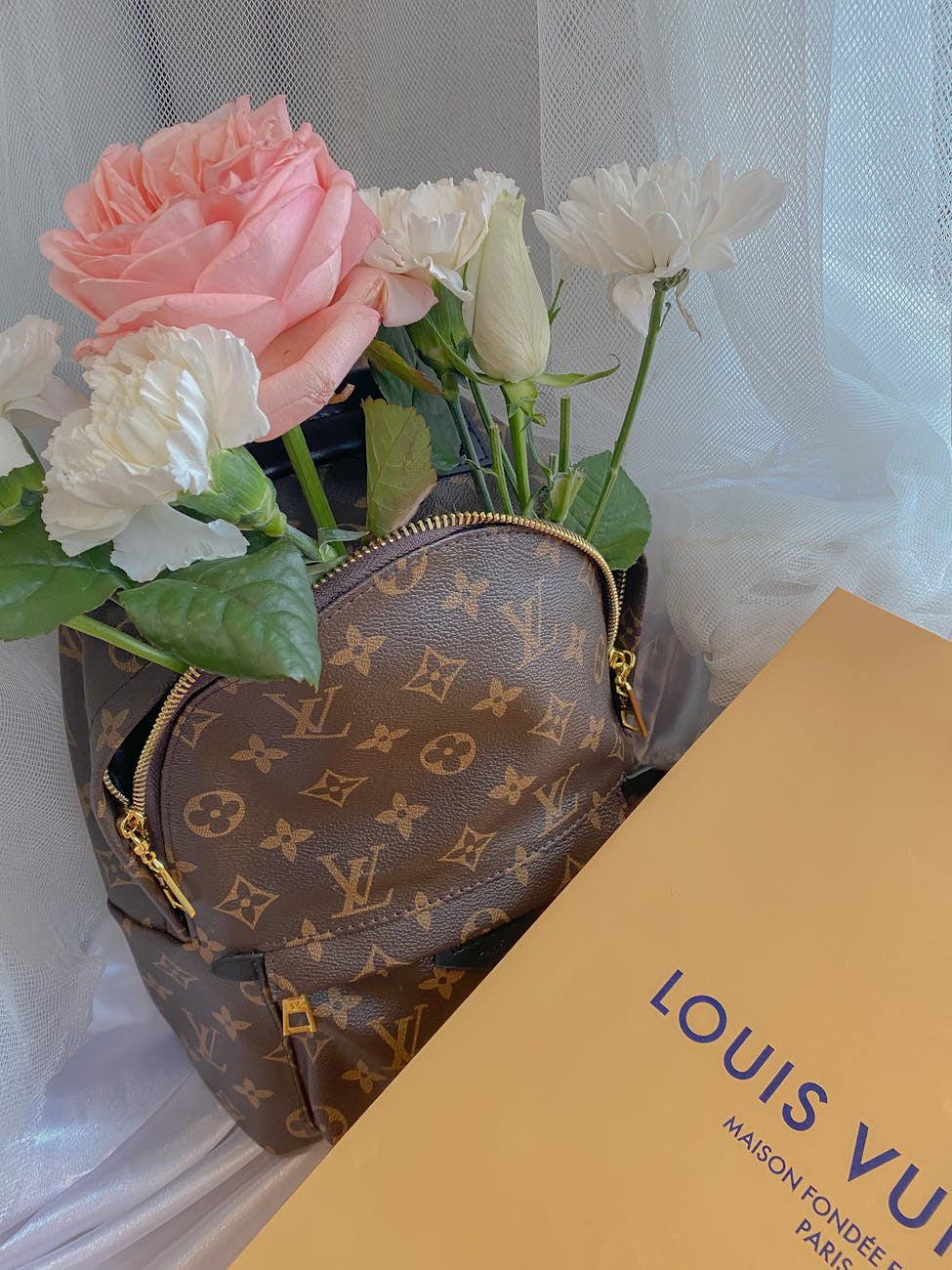
The luxury market in tennis includes a wide array of products ranging from handcrafted racquets and designer tennis apparel to premium court surfaces and bespoke tennis experiences. Companies such as Wilson, Babolat, and Head have long dominated this niche with high-performance racquets, but they now compete with luxury brands like Chanel and Louis Vuitton, which offer designer racquets and tennis bags. These products do not merely serve functional purposes but are also symbols of prestige and status.
The reach of luxury tennis products extends globally, targeting affluent demographics. Markets in North America, Western Europe, and affluent parts of Asia display the highest demand. In these regions, tennis is often associated with a luxurious lifestyle, supported by exclusive clubs and private courts. The customers here do not just seek performance in their equipment but also exclusivity and a connection to the elite world of tennis.
One of the most significant trends in the luxury tennis market is the personalization of equipment. High-net-worth individuals are increasingly interested in products that are unique or customized. For instance, racquets fitted with sensors that analyze performance are becoming popular among tech-savvy enthusiasts. Brands like Sony and Zepp offer advanced gadgets that can be attached to any racquet, turning a regular piece of equipment into a smart device that offers players detailed feedback on their game.
Moreover, the impact of these luxury products on the world market is profound. They help in setting standards in the industry, pushing innovation and quality across all levels of tennis products. Luxury tennis brands often lead in adopting new technologies and materials which, over time, trickle down to more accessible brands, thereby elevating the entire industry.
The global consumer market for luxury tennis products is growing, fueled by increasing disposable incomes and a rising interest in health and wellness. Tennis, known for its ability to offer a good physical workout in a socially engaging environment, benefits from this trend. The expansion of the market is also supported by the media coverage of major tennis events like Wimbledon and the US Open, where celebrities often showcase high-end tennis fashion and equipment, thus influencing fans and recreational players.
Recent events have also highlighted the role of celebrity endorsements in boosting the sales of luxury tennis products. Players like Roger Federer and Serena Williams, who not only excel on the court but also carry significant influence off it, have partnered with brands to launch exclusive lines. For instance, Roger Federer’s collaboration with Wilson for a customized racquet line that merges classic design with modern technology has been a significant hit among both tennis players and collectors.
Luxury brands have also entered the realm of sustainable products, which appeals to environmentally conscious consumers. Brands like Adidas have partnered with environmental initiatives to produce high-performance apparel using recycled materials, thereby marrying luxury with sustainability.
The luxury product market for tennis enthusiasts is not just thriving; it is setting trends and expanding its reach globally, impacting the broader market significantly. These products cater to a niche of affluent consumers who appreciate the blend of tradition, innovation, and exclusivity. As disposable incomes rise and interest in tennis increases, the market for luxury tennis products is set to grow even further, offering lucrative opportunities for brands that can innovate and capture the imagination of this discerning clientele. This evolution promises to continue pushing the boundaries of what is possible in sports luxury, maintaining tennis’s status as a sport synonymous with both performance and prestige.
How the brands like Chanel and Louis Vuitton, which offer designer racquets and tennis bags in recent time to target tennis enthusiast?
In recent years, luxury fashion brands like Chanel and Louis Vuitton have extended their product lines to include designer racquets and tennis bags, aiming to captivate tennis enthusiasts worldwide. This trend reflects a broader strategy to merge high fashion with active lifestyles, a move that has both economic and cultural implications. Understanding this phenomenon requires examining market trends, the impact on global markets, consumer behavior, and the strategic motivations behind such expansions.
The luxury goods market, valued at over $300 billion in 2023, has seen a significant shift towards lifestyle and leisure products. Brands like Chanel and Louis Vuitton, known for their timeless elegance and craftsmanship, have ventured into the sports equipment sector, specifically targeting tennis, a sport synonymous with sophistication and style. This trend is not merely about selling tennis gear but creating an aspirational lifestyle that aligns with the brands’ prestige.
Tennis, as a sport, has always been associated with a certain level of affluence and exclusivity. The audience for tennis includes a high percentage of individuals with substantial disposable incomes, making it an ideal market for luxury brands. Chanel and Louis Vuitton have recognized this synergy and leveraged their brand heritage to create tennis products that appeal to both tennis players and fashion-conscious consumers. The introduction of designer tennis racquets and bags is a strategic move to blend functionality with luxury, offering products that are not only practical but also symbols of status and refinement.
The impact of this trend on the global market is multifaceted. For one, it has broadened the appeal of luxury brands, making them relevant in the sports and activewear sectors. According to market research, the sports equipment market is expected to grow at a compound annual growth rate (CAGR) of 4.4% from 2021 to 2028, reaching a valuation of $89.22 billion by 2028. By entering this market, Chanel and Louis Vuitton are tapping into a lucrative segment, diversifying their product portfolios, and ensuring sustained revenue streams.
Moreover, the entry of luxury brands into the sports equipment market has elevated consumer expectations. Buyers are not only looking for high-performance gear but also for products that enhance their social image. Designer tennis racquets and bags serve this dual purpose, offering superior quality while also acting as fashion statements. This has led to an increased willingness among consumers to invest in premium sports equipment, thereby driving up the average transaction value in the market.
From a strategic perspective, this move is also about brand differentiation. In a saturated luxury market, where differentiation is key to maintaining market share, venturing into niche segments like designer sports equipment helps brands stand out. It also enables them to build a unique brand narrative around versatility and lifestyle, appealing to a broader demographic. For instance, Chanel’s tennis racquet, priced at around $1,500, and Louis Vuitton’s tennis bag, retailing for about $3,500, are not just products but statements of luxury and exclusivity. These items are often featured in high-profile events and endorsed by celebrities, further enhancing their desirability.
The influence of social media and digital marketing cannot be overlooked in this context. Platforms like Instagram and TikTok have played a crucial role in popularizing these luxury sports products. Influencers and athletes showcasing their Chanel racquets or Louis Vuitton tennis bags generate buzz and create a sense of aspiration among followers. This digital word-of-mouth marketing is invaluable, driving both awareness and sales.
In addition to individual consumers, there is a significant impact on the broader world market. The luxury sports equipment trend has spurred collaborations and partnerships between high fashion brands and sports organizations. For example, Louis Vuitton has collaborated with the French Tennis Federation, providing bespoke cases for the Roland-Garros trophies. Such collaborations enhance brand visibility and reinforce the association between luxury and tennis.
The trend also has implications for the manufacturing and retail sectors. Producing high-end sports equipment requires specialized skills and materials, leading to potential partnerships between luxury brands and established sports equipment manufacturers. This not only ensures product quality but also fosters innovation in design and functionality. Retailers, on the other hand, are adapting by creating exclusive sections or standalone stores dedicated to luxury sports gear, enhancing the shopping experience for discerning customers.
The general world customer market has responded positively to this trend. The blending of fashion and functionality resonates with modern consumers who prioritize both aesthetics and performance. The rise of athleisure and the growing emphasis on health and wellness have further fueled the demand for high-end sports products. Consumers are increasingly seeking products that reflect their lifestyle choices and personal values, and designer tennis gear fits this narrative perfectly.
However, there are also challenges associated with this trend. The high price points of luxury sports equipment limit their accessibility to a niche market. Additionally, there is a risk of over-commercialization, where the essence of the sport could be overshadowed by the pursuit of luxury. Brands need to balance exclusivity with inclusivity, ensuring that their products enhance the sport without alienating its core audience.
The foray of luxury brands like Chanel and Louis Vuitton into the designer racquets and tennis bags market is a strategic move that capitalizes on the growing intersection of fashion and active lifestyles. This trend has expanded the luxury market, elevated consumer expectations, and spurred collaborations across industries. While it presents opportunities for brand differentiation and revenue growth, it also requires careful navigation to maintain authenticity and relevance. As the luxury sports equipment market continues to evolve, brands that successfully blend elegance with performance will set the pace for future trends, shaping consumer preferences and market dynamics.
How traditional luxury brand are able to enter the market of tennis enthusiast which often associated with luxury lifestyle, exclusive clubs and private courts?
Traditional luxury brands have long been synonymous with exclusivity, quality, and a certain lifestyle that appeals to a select group of consumers. The world of tennis, with its historical associations with high society, private clubs, and exclusive events, provides a natural extension for these brands to explore and capitalize upon. This intersection between traditional luxury brands and tennis enthusiasts presents an intriguing market dynamic, where the convergence of sport and luxury creates a unique and lucrative opportunity.
The trend of luxury brands entering the tennis market is not new, but it has gained significant momentum in recent years. The allure of tennis as a sport that embodies grace, precision, and an elite status aligns perfectly with the image that luxury brands aim to project. This alignment has led to strategic partnerships, sponsorships, and product lines that cater specifically to tennis enthusiasts. For instance, brands like Rolex, Lacoste, and Ralph Lauren have become fixtures in the tennis world, sponsoring major tournaments and events like Wimbledon and the US Open. These partnerships not only enhance the prestige of the tournaments but also reinforce the brands’ association with the high-end, sophisticated lifestyle that tennis represents.
From a statistical perspective, the global tennis market was valued at approximately $5.57 billion in 2020 and is projected to reach $6.8 billion by 2026, growing at a CAGR of 3.5%. This growth is fueled by increasing participation rates, rising popularity of the sport in emerging markets, and the continuous association of tennis with luxury and exclusivity. For traditional luxury brands, this expanding market offers a fertile ground for growth and diversification. By targeting tennis enthusiasts, these brands can tap into a consumer base that values not only the sport but also the lifestyle and status that come with it.
The impact of this trend on the world market is multifaceted. For one, it underscores the evolving nature of luxury consumption, where experiences and associations are becoming as important as the products themselves. Traditional luxury brands are leveraging this by creating exclusive tennis-themed collections, limited-edition products, and bespoke services that cater to the tastes and preferences of tennis aficionados. For example, brands like Louis Vuitton and Gucci have launched tennis-inspired fashion lines and accessories, blending functionality with high fashion. These products often feature premium materials, meticulous craftsmanship, and design elements that resonate with the aesthetic sensibilities of tennis enthusiasts.
Furthermore, the integration of technology in luxury tennis products is a notable trend. Smart tennis equipment, such as racquets and wearables, designed by luxury brands, offer performance tracking and analytics, combining luxury with cutting-edge technology. This appeal to the tech-savvy segment of tennis players adds another layer of value and differentiation, making these products highly desirable.
For the general world customer market, the association of luxury brands with tennis enhances the perception of the sport as a lifestyle choice rather than just a recreational activity. This perception can influence consumer behavior, driving interest in both the sport and the associated luxury products. The aspirational value of owning a luxury tennis item or participating in exclusive tennis events can extend beyond the traditional consumer base of these brands, attracting a broader audience that aspires to the lifestyle depicted by these associations.
Recent events and stories further illustrate this trend. For instance, the partnership between luxury watchmaker Richard Mille and tennis star Rafael Nadal has produced a series of high-performance timepieces that are not only functional for the sport but also represent the pinnacle of luxury and innovation. These watches, priced in the hundreds of thousands of dollars, exemplify how luxury brands can create products that are both highly specialized and broadly appealing in terms of their exclusivity and status symbol.
Moreover, the role of social media and digital marketing cannot be overlooked in this context. Luxury brands are increasingly utilizing these platforms to reach and engage with tennis enthusiasts. Influencers, professional players, and celebrities associated with tennis are often seen promoting luxury brands, creating a ripple effect that enhances brand visibility and desirability. The ability to connect with consumers directly through social media campaigns, online stores, and virtual events has allowed luxury brands to maintain their exclusivity while also being more accessible to a global audience.
In terms of numbers, consider the case of Rolex, whose long-standing partnership with Wimbledon has not only reinforced its image as a symbol of prestige and timeless elegance but has also contributed to significant brand value. The visibility at such high-profile events ensures that Rolex remains at the forefront of consumers’ minds when they think of luxury and sports. Similarly, Ralph Lauren’s role as the official outfitter of the US Open has provided the brand with a platform to showcase its products to millions of viewers worldwide, translating into increased sales and brand loyalty.
The intersection of traditional luxury brands and the tennis market illustrates a successful blend of sports marketing, lifestyle branding, and product innovation. This trend highlights the adaptability and forward-thinking strategies of luxury brands in capturing new market segments and maintaining relevance in a rapidly changing consumer landscape. As the tennis market continues to grow and evolve, the opportunities for luxury brands to deepen their engagement with this affluent and discerning audience are bound to expand, driving growth and enhancing brand equity on a global scale.
How traditional luxury brand are able to join the significant trend in luxury tennis market of personalization of equipment and tennis gear?
In recent years, the luxury tennis market has seen a significant shift towards personalization, transforming how traditional luxury brands engage with consumers. This trend is driven by the growing demand for unique, customized tennis equipment and gear, allowing players to express their individuality while enhancing their performance on the court.
The personalization trend in the luxury tennis market is not just about adding a monogram to a tennis racket or embroidering initials on a sports bag. It’s about creating bespoke experiences and products that cater to the specific needs and preferences of each individual customer. According to a report by Deloitte, the global personalized goods market was valued at $31.63 billion in 2020 and is expected to grow at a compound annual growth rate (CAGR) of 8.1% from 2021 to 2028. This growth is fueled by advancements in technology, such as 3D printing and artificial intelligence, which allow brands to offer highly customized products at scale.
Luxury brands like Louis Vuitton, Gucci, and Hermès have been quick to embrace this trend, leveraging their heritage and craftsmanship to offer personalized tennis gear. For instance, Louis Vuitton’s collaboration with Wilson Sporting Goods resulted in a collection of bespoke tennis rackets, bags, and accessories. These items are not only functional but also serve as status symbols, reflecting the owner’s taste and social standing. Similarly, Gucci has introduced a line of personalized tennis shoes and apparel, allowing customers to choose from a variety of colors, materials, and monogram options.
The impact of this personalization trend extends beyond the affluent customers of luxury brands. It has created a ripple effect throughout the global market, influencing mainstream and mid-range brands to adopt similar strategies. Companies like Nike and Adidas have launched customization platforms that enable customers to design their own tennis shoes and apparel. Nike’s “Nike By You” platform, for example, allows customers to choose from a wide range of colors, materials, and designs, resulting in a product that is uniquely theirs. This democratization of personalization has made it more accessible to a broader audience, contributing to the overall growth of the market.
From a technical perspective, the integration of personalization into the production process has been facilitated by advancements in digital technology. Brands are utilizing data analytics and machine learning algorithms to understand customer preferences and predict trends. This data-driven approach allows them to offer more relevant and appealing customization options, enhancing the customer experience. Furthermore, the use of 3D printing technology has revolutionized the manufacturing process, enabling brands to produce customized products quickly and cost-effectively. According to a report by MarketsandMarkets, the 3D printing market is projected to grow from $12.6 billion in 2021 to $34.8 billion by 2026, reflecting its increasing adoption across various industries, including luxury goods.
The personalization trend has also had a significant impact on the retail landscape. Traditional brick-and-mortar stores are evolving to offer more immersive and interactive shopping experiences. Luxury brands are opening flagship stores and pop-up shops where customers can customize their products on-site, guided by expert craftsmen and designers. For example, Hermès recently launched a pop-up store in Paris dedicated to personalized leather goods, allowing customers to witness the craftsmanship firsthand and participate in the creation process. This experiential approach not only enhances customer engagement but also reinforces the brand’s commitment to quality and exclusivity.
The trend towards personalization is also influencing the marketing strategies of luxury brands. In the age of social media, consumers are increasingly seeking products that reflect their personal style and identity. Brands are leveraging social media platforms to showcase their customization options and engage with customers on a more personal level. Influencers and celebrities play a crucial role in this strategy, as their endorsement of personalized products can significantly boost brand visibility and desirability. For instance, tennis stars like Roger Federer and Serena Williams, known for their unique style on and off the court, often collaborate with luxury brands to promote personalized gear, further driving demand.
The global impact of this trend is evident in the growing number of luxury brands entering the tennis market. In Asia, where tennis is gaining popularity, brands like Asics and Yonex are offering personalized products to cater to the region’s affluent consumers. In Europe, where tennis has a long-standing tradition, luxury brands are collaborating with renowned tennis clubs and events to showcase their customized offerings. The Wimbledon tournament, for instance, has become a prime platform for luxury brands to launch their latest personalized products, attracting attention from tennis enthusiasts and fashion aficionados alike.
For the general world customer market, the trend towards personalization in luxury tennis gear represents a shift towards more meaningful and personalized consumption. Consumers are increasingly seeking products that resonate with their personal values and lifestyle, and luxury brands are responding by offering more tailored and individualized options. This shift is not just about aesthetics but also about functionality and performance. Customized tennis gear, designed to meet the specific needs of each player, can enhance their performance on the court, making the sport more enjoyable and accessible.
The personalization trend in the luxury tennis market is transforming how traditional luxury brands engage with consumers. By leveraging technology and craftsmanship, these brands are offering bespoke experiences and products that cater to the individual preferences of their customers. This trend is driving growth in the global market, influencing mainstream brands, and reshaping the retail and marketing landscape. For consumers, it represents a shift towards more meaningful and personalized consumption, enhancing their connection with the products they purchase. As the demand for personalization continues to grow, traditional luxury brands are well-positioned to lead this trend, offering unique and customized solutions that resonate with consumers worldwide.
How the traditional luxury brand able to enter luxury tennis market by introducing new technology and materials?
The luxury market has always been synonymous with exclusivity, opulence, and tradition. For decades, luxury brands have upheld a legacy of craftsmanship, unparalleled quality, and a heritage that appeals to the affluent. Recently, these traditional luxury brands have ventured into the luxury tennis market, leveraging new technologies and materials to redefine what luxury means in this context. This strategic shift is not only a response to the evolving consumer preferences but also a calculated move to capture a burgeoning market segment. Let’s delve into how these brands are making their mark in luxury tennis, the trends driving this transition, and the broader impact on the global market and consumers.
In recent years, the luxury tennis market has seen a significant influx of high-end brands like Louis Vuitton, Gucci, and Dior. These brands have introduced tennis gear and apparel that marry traditional luxury elements with cutting-edge technology. For instance, Louis Vuitton’s tennis collection features rackets and bags crafted from their signature Monogram canvas but with enhancements that ensure performance and durability. This blend of heritage and innovation caters to both the aesthetic desires and functional needs of the modern tennis player.
One of the most notable trends is the incorporation of advanced materials. Traditional tennis equipment relied heavily on materials like wood and basic metals. Today, luxury brands are using aerospace-grade carbon fiber, titanium alloys, and other high-tech composites. These materials are not only lightweight and strong but also offer better vibration dampening and energy transfer. This technological infusion allows players to perform at their peak while still enjoying the luxurious feel and look that these brands provide.
The global tennis equipment market was valued at approximately USD 8.9 billion in 2020 and is expected to reach USD 10.5 billion by 2027, growing at a CAGR of 2.5%. The luxury segment within this market is growing even faster, driven by affluent consumers who are willing to pay a premium for high-quality, technologically advanced products. Brands like Wilson and Babolat have traditionally dominated the market, but luxury brands are carving out a niche by offering products that combine superior performance with luxury appeal.
Luxury brands’ entry into the tennis market is also influenced by the increasing trend of athleisure. Consumers today are looking for products that seamlessly blend fashion and function. The tennis court has become a runway, with players and spectators alike seeking stylish yet practical attire. Gucci, for instance, has launched a tennis collection featuring apparel and accessories that are as fashionable as they are functional. These items are designed with moisture-wicking fabrics, ergonomic cuts, and other features that enhance comfort and performance.
The impact of these luxury brands on the world market is multifaceted. Firstly, it has elevated the status of tennis, attracting more attention and investment into the sport. Sponsorship deals and high-profile collaborations have become more common. For example, Dior’s partnership with professional tennis players has not only increased brand visibility but also brought a new level of glamour to tennis tournaments.
Moreover, the presence of luxury brands has spurred innovation among traditional sports brands. Companies like Nike and Adidas have upped their game, incorporating more advanced technologies and premium materials into their high-end tennis lines to compete. This competition drives overall market growth and leads to better products for all consumers.
For the general world customer market, the introduction of luxury brands into tennis signifies more than just high-end products; it represents a lifestyle choice. Owning a Louis Vuitton tennis bag or wearing a Gucci tennis dress is a statement of both fashion sense and social status. It appeals to consumers who see luxury tennis products as an extension of their identity and a way to differentiate themselves.
From a technical perspective, the advancements brought by these luxury brands have led to tangible improvements in tennis equipment and apparel. Carbon fiber composites used in rackets, for example, provide a better strength-to-weight ratio than traditional materials, resulting in faster swing speeds and more powerful shots. Advanced textiles in clothing offer superior breathability and moisture management, enhancing comfort and performance during play.
Additionally, luxury brands often leverage their extensive R&D capabilities to introduce new technologies. For instance, smart textiles that can monitor biometric data are being integrated into high-end tennis apparel. These innovations allow players to track their performance in real-time, gaining insights that can help improve their game.
The broader societal impact of luxury brands entering the tennis market cannot be understated. It has the potential to democratize luxury by making high-end products more accessible and visible to a wider audience. While the price points remain high, the aspirational value associated with these brands often leads to increased consumer interest and engagement with the sport.
Furthermore, the association of tennis with luxury brands helps to break down the barriers between sports and fashion. This convergence creates opportunities for cross-industry collaborations and innovations that benefit both sectors. The result is a more dynamic and interconnected market that drives creativity and growth.
The entry of traditional luxury brands into the luxury tennis market by introducing new technologies and materials represents a significant trend that is reshaping the landscape. This strategic move is driven by the growing demand for high-performance, aesthetically pleasing products that cater to the modern consumer’s lifestyle. The impact on the world market and general customer base is profound, driving innovation, increasing the sport’s visibility, and elevating the overall consumer experience. As these brands continue to push the boundaries of what’s possible, the future of luxury tennis looks brighter and more exciting than ever.
How celebrity endorsement playing significant roles to boost sales of luxury tennis products?
Celebrity endorsements have long been a powerful marketing tool, and their influence on the sales of luxury tennis products is a compelling example of how star power can drive consumer behavior. The intersection of sports, luxury, and celebrity culture creates a potent mix that can significantly boost the sales of high-end tennis gear and apparel.
In recent years, the luxury tennis product market has seen remarkable growth, partly due to the strategic use of celebrity endorsements. Prominent tennis stars like Roger Federer, Serena Williams, and Rafael Nadal have become synonymous with certain high-end brands, leading to increased visibility and desirability of these products. For instance, Federer’s association with Rolex and Williams’ partnership with Nike have not only reinforced their personal brands but also elevated the perceived value of the products they endorse. Such endorsements play a crucial role in shaping consumer perceptions, often creating an aspirational link between the celebrity and the product.
The trend of using celebrity endorsements in the luxury tennis market can be traced back to the early 2000s, but it has gained substantial momentum in the past decade. According to a report by MarketWatch, the global luxury tennis market was valued at approximately $2.1 billion in 2020 and is projected to reach $3.5 billion by 2025, growing at a compound annual growth rate (CAGR) of 10.2%. This growth is significantly attributed to the increasing use of celebrity endorsements, which have proven to be a key driver in attracting affluent customers.
One of the most notable examples of celebrity endorsement in the luxury tennis market is Roger Federer’s partnership with Wilson. Federer’s custom-designed Wilson Pro Staff RF97 racket has become a status symbol among tennis enthusiasts. The “RF97” not only stands for Federer’s initials but also signifies the high quality and performance associated with his name. This partnership has resulted in a substantial increase in Wilson’s market share, with the company reporting a 15% rise in sales of high-end rackets following the launch of the RF97 line.
Similarly, Serena Williams’ collaboration with Nike has been a game-changer for the brand. Williams, known for her dominance on the court and her fashion-forward style, has helped Nike tap into a broader demographic that values both performance and aesthetics. The “Serena Williams Design Crew,” a collection of high-end tennis apparel, has seen impressive sales figures, with Nike reporting a 20% increase in their tennis apparel segment in the year following the launch. This collaboration has also boosted Nike’s brand equity, reinforcing its position as a leader in both sports performance and luxury fashion.
The impact of celebrity endorsements on the world market for luxury tennis products extends beyond individual brands. It influences consumer behavior on a global scale, creating trends that ripple through various markets. For instance, the rise in popularity of tennis as a sport and lifestyle choice can be partly attributed to the visibility of tennis stars in mainstream media. According to a study by Nielsen Sports, tennis viewership has increased by 30% globally over the past five years, with significant spikes during major tournaments like Wimbledon and the US Open. This increased visibility translates into higher demand for tennis-related products, from rackets and apparel to accessories and footwear.
The general world customer market has also been significantly impacted by this trend. Luxury tennis products, once considered niche, have become more accessible and desirable to a broader audience. This shift is evident in the growing popularity of high-end tennis brands in emerging markets. For example, in China, the luxury tennis market has seen rapid growth, with brands like Babolat and Lacoste reporting double-digit sales increases. The rise of Chinese tennis stars like Li Na has further fueled this trend, with her endorsement deals helping to popularize the sport and associated luxury products among Chinese consumers.
In addition to boosting sales, celebrity endorsements also contribute to brand loyalty and consumer trust. According to a survey by Market Research Future, 60% of consumers are more likely to purchase a product endorsed by a celebrity they admire. This trust factor is particularly crucial in the luxury market, where consumers are willing to pay a premium for products associated with quality, exclusivity, and prestige. Brands that leverage celebrity endorsements effectively can create a strong emotional connection with their customers, leading to repeat purchases and long-term loyalty.
Furthermore, the strategic use of social media platforms has amplified the impact of celebrity endorsements. Tennis stars like Maria Sharapova and Novak Djokovic have millions of followers on Instagram, Twitter, and other social media platforms. These athletes often share glimpses of their training routines, personal lives, and brand partnerships, creating a sense of intimacy and authenticity that resonates with their followers. This direct engagement not only increases brand visibility but also drives sales, as fans aspire to emulate their favorite athletes.
Recent events and trends in the luxury tennis market highlight the ongoing relevance of celebrity endorsements. For instance, the launch of Rafael Nadal’s signature tennis shoes by Nike in 2022 was met with tremendous enthusiasm. The limited-edition shoes sold out within hours, underscoring the demand for products associated with top athletes. Similarly, the collaboration between Swiss luxury watchmaker Audemars Piguet and tennis star Stan Wawrinka has garnered significant attention, with the limited-edition watches becoming highly sought-after collector’s items.
Celebrity endorsements play a pivotal role in boosting the sales of luxury tennis products. The trend of leveraging star power to enhance brand visibility, desirability, and consumer trust has proven to be a successful strategy in the luxury tennis market. With the global luxury tennis market projected to continue its growth trajectory, the influence of celebrity endorsements is likely to remain a key driver. As brands continue to collaborate with top tennis stars and leverage social media platforms, the impact of these endorsements will further shape consumer behavior and market dynamics, making luxury tennis products an integral part of the global luxury goods landscape.
Why should you ship with SindoShipping and how is our company able to help you and your business to ship your goods and products to Indonesia?
Our company vision is to help companies around the world to be able to export their products to Indonesia with ease and expand their market worldwide especially in South East Asia as Indonesia is the leading internet market and largest economy around the region and to help ease the process of importation to the country and we want to help millions of Indonesian to access products worldwide with effective shipping system.
With the proper documentation and brokerage, we are able to help our customers ship a few categories of goods which have limited restrictions to Indonesia without any hassle to the customers address directly as we understand the process and the regulation of the imports including the taxation process of imports.
SindoShipping specialized in electronics, high tech products, cosmetics, luxury branded, toys, supplement and vitamins, fashion, bags and shoes, and traditional medicine shipping to Indonesia since 2014 with the top accuracy of shipment service and the live tracking available during the cross border shipment so the customer can feel safe and secure about their shipping. Contact us now for further details