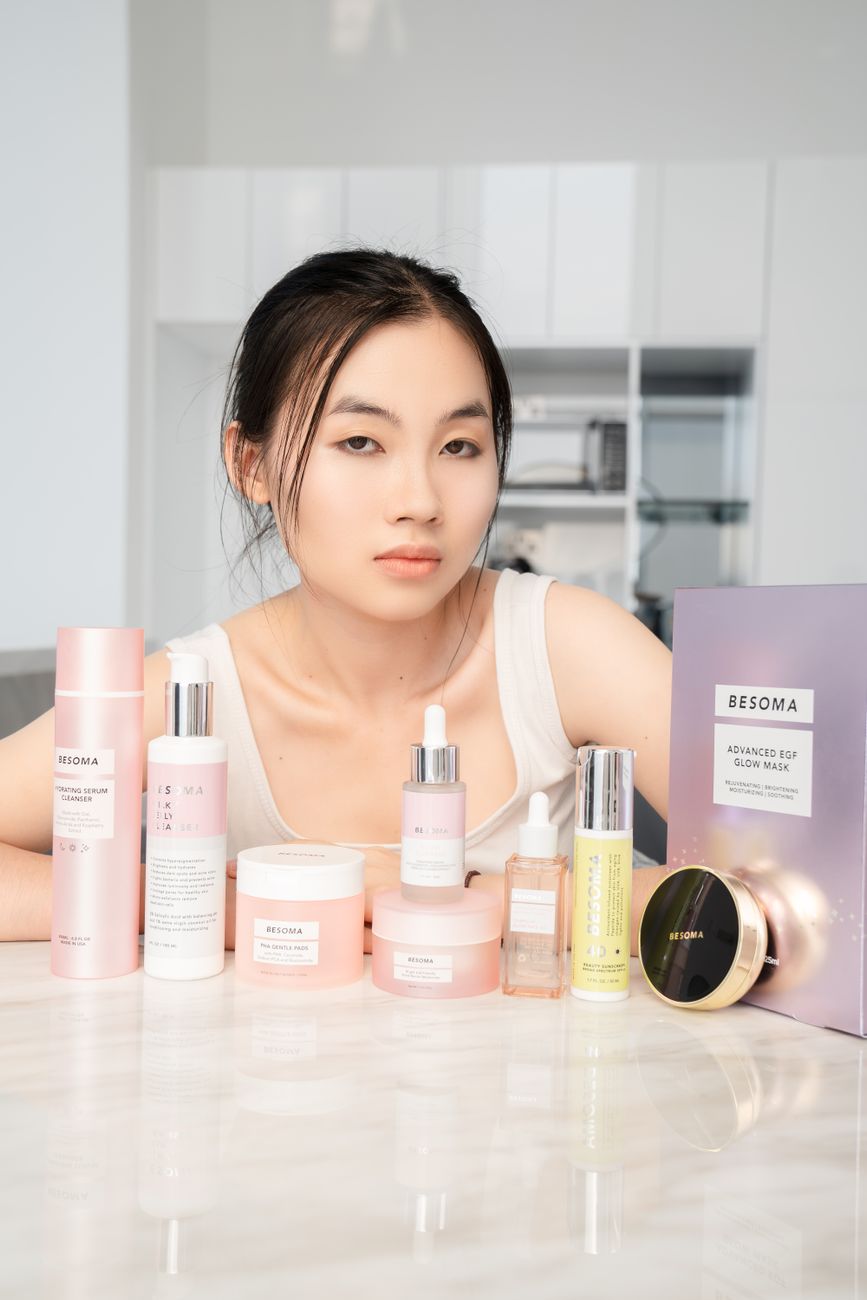
K-beauty has become a global business because it combines product innovation, attractive pricing and a strong cultural story—and Indonesia is one of the markets where those forces meet. Korean skincare and makeup are no longer niche purchases for fans of K-pop or K-dramas. They are everyday options for shoppers looking for effective formulas, appealing textures and products that feel new without carrying the price tag of many luxury brands. Korea’s cosmetics exports reached a record US$11.43 billion in 2025, up 12.3% from 2024, and shipments reached 202 countries. That is a useful signal for Indonesian retailers and importers: demand is supported by an established export industry, while Korean brands are still finding customers in more markets.
Indonesia offers a large and active customer base, but the size of the opportunity depends on which market definition you use. One forecast estimates Indonesia’s broader beauty and personal-care market at about US$10.35 billion in 2026, with continued growth expected; other estimates measure a narrower cosmetics or skincare category and therefore report smaller totals. These figures should not be treated as directly comparable, because their definitions and research methods differ. The practical takeaway is that the market is substantial, and skincare is an important part of it. In a 2023 Jakpat survey of more than 2,000 Indonesian respondents, beauty products were a growing area of interest, with local skincare brands also attracting attention. K-beauty sellers therefore compete in a lively market where customers compare products, prices, ingredients and reviews—not simply country of origin.
Korea’s trade performance shows how a trend can turn into durable international demand. Exports climbed from US$8.46 billion in 2023 to US$10.2 billion in 2024, then reached US$11.43 billion in 2025. The export map also broadened: the Korean government reported that the number of destination markets increased from 172 in 2024 to 202 in 2025. This spread matters for Indonesia because the sector is not relying on one country or one viral product. Korean manufacturers, distributors and brands are building systems to sell across borders, including online direct-to-consumer sales and physical retail. South Korea’s Ministry of Trade has specifically identified logistics, certification and legal compliance as challenges that companies must solve when entering overseas markets.
The product trend has changed from complicated routines to clear, ingredient-led choices. Consumers still enjoy the “glass skin” look and layered skincare, but many now want a shorter routine they can understand: cleanser, moisturizer, sunscreen and perhaps a serum for a specific concern. Ingredients such as centella asiatica, heartleaf, rice extracts, ceramides and snail mucin have become familiar to international shoppers. Brands including Anua, Beauty of Joseon, COSRX, Medicube, Skin1004, Torriden, Laneige and d’Alba have appeared in recent global coverage and retail expansion stories. Their popularity comes from a mix of product stories, online reviews, packaging and availability. One product can go viral quickly, but a reseller’s long-term business depends on replenishment, consistent product quality and customer trust.
Social media is a powerful discovery channel, but it does not remove the need for careful product selection. A creator’s routine or a customer’s before-and-after video can make a product visible to thousands of people in a short time. Reuters reported that the leading Korean beauty brands in U.S. e-commerce grew faster than the overall U.S. market over a recent two-year period, while also noting that competition is intensifying. Indonesia has its own active beauty-commerce environment, where TikTok, Instagram, marketplaces and beauty retailers help customers discover new products. For a small seller, this means a well-chosen range can reach buyers beyond one city—but it also means trends can move on quickly. Start with a limited set of products, track repeat purchases and customer questions, and expand when sales data supports it.
A good K-beauty assortment solves a customer need and suits Indonesian conditions. Lightweight sunscreens, gel moisturizers, barrier-support products and gentle cleansers are natural candidates for a warm, humid climate, although suitability depends on each person’s skin and the exact formula. A seller can make the range easier to shop by grouping products around simple routines—such as “daily hydration” or “basic sun protection”—and explaining the intended use without promising medical results. Avoid marketing a cosmetic as a treatment or cure for a disease. Product claims should match the approved labeling and the category’s rules. Customers also value practical information: the amount to use, when to apply it, whether it is fragrance-free, the size of the bottle, and whether the product is officially notified for sale in Indonesia.
For commercial sales, safe importing begins before the goods leave Korea. Imported cosmetics intended for distribution in Indonesia generally need a valid BPOM cosmetic notification before they are marketed. The Indonesian notification holder must be an eligible local business, and the import process must be arranged by the holder or an authorized importer. Cosmetics entering through commercial channels may also require a BPOM Surat Keterangan Impor, or SKI, under the applicable import-control process. BPOM’s published guidance says that cosmetics cannot be distributed after leaving the customs area until the required SKI is in place. In practice, the importer should verify the product notification, importer authorization and shipment requirements before booking cargo, rather than hoping to fix missing paperwork after arrival.
The product file and shipment documents should tell one consistent story. Before shipping, prepare a commercial invoice with accurate product names, quantities and values; a packing list; the correct HS classification; and the regulatory documents required for the specific products and shipment. Keep the manufacturer’s product information, ingredient list, product specifications and batch details available to the local importer. Labels, product names, variants and quantities should correspond to the documents and the BPOM notification. A mismatch—such as a different product name, an unnotified variant or an incorrect quantity—can create delays and extra handling at the border. The freight forwarder can coordinate transport and customs documentation, but the importer remains responsible for confirming product compliance and import permissions.
Personal-use shipments are a separate route and should not be treated as a small commercial business model.BPOM Regulation No. 28 of 2023 sets a limit of up to 20 cosmetic pieces per passenger or recipient for personal-use imports through the relevant channels. That allowance does not create a way to supply customers by splitting a commercial order among multiple names. A shipment intended for resale should follow the commercial compliance process. Buyers ordering for themselves should declare the contents accurately, keep quantities within the applicable rules, and understand that customs duties, taxes or inspection may still apply. The precise treatment can depend on how the goods are shipped and current customs procedures, so a courier or customs broker should confirm charges and documentation for the particular parcel.
Safe physical handling is just as important as regulatory clearance. Many creams, masks and serums can travel as ordinary cargo when packed correctly, but the exact transport rules depend on the formula and packaging. Perfumes, aerosols and products containing flammable ingredients can face additional air-cargo restrictions. The shipper should provide the product’s safety data where required and disclose the contents accurately so the carrier can assign the correct handling. Use sealed retail packaging, protect caps and pumps from pressure, place leak-prone items in individual sealed bags, cushion glass bottles, and use a sturdy outer carton. Keep products away from excessive heat and direct sunlight during storage and transit. A product that arrives leaking, separated or with a damaged seal may be unsellable even if it clears customs successfully.
Counterfeit and grey-market supply are commercial risks, not shortcuts. Buy through the brand, its authorized distributor or a supplier that can provide credible invoices and traceable batch information. Compare packaging, labels, seals, batch codes and purchase records; be cautious when a price is far below normal wholesale levels. Korean authorities have recently highlighted counterfeit cosmetics as a concern, while the global rise of direct online purchasing has made product authenticity more important to consumers. If a product causes a complaint or recall, traceability helps the seller identify which batch was sold and contact affected customers. Keep invoices, import records and customer-service notes organized from the first shipment.
Indonesia’s halal timetable is especially important for businesses planning new imports now. BPJPH says that, under Government Regulation No. 42 of 2024, cosmetics are among the product categories scheduled to require halal certification beginning 18 October 2026. That date is close, so importers and brand owners should check how the requirement applies to their products and what recognition or documentation is accepted for foreign-made goods. Do not assume that a “vegan,” “cruelty-free” or “clean beauty” claim is a substitute for halal certification. Nor should a seller assume that every product has the same ingredient or certification position. Discuss the relevant product and certificate with BPJPH or a qualified local regulatory adviser, and confirm the latest procedures before placing a large order.
The best import plan starts small, measures real demand and scales only after the compliance path is clear. Choose a focused group of products from reliable suppliers; calculate landed cost using the purchase price, freight, insurance where appropriate, duties, taxes, clearance, warehousing, marketplace fees and the cost of damaged or slow-moving stock. Test demand with a modest, properly documented commercial shipment. Track sell-through by product, repeat purchase, customer acquisition cost, return rates and expiry dates. Cosmetics are time-sensitive inventory: a large shipment of the wrong shade, texture or ingredient story can tie up cash until the product approaches its expiry date. A smaller, replenishable range often gives a new seller better control over cash flow and customer feedback.
Shipping reliability can become part of the product’s value. Customers may discover a serum through a video, but they judge the seller by whether it is authentic, properly packaged, clearly described and delivered when promised. Consolidating orders can lower freight cost per unit, but consolidation should happen only with a clear inventory and document process. A forwarder experienced in cosmetics can help confirm packaging, routing, restricted-goods questions and shipment milestones; the importer should still manage BPOM notification, SKI and product requirements. Track each carton from supplier pickup to delivery, preserve batch and expiry data, and communicate realistic delivery windows. For island destinations or remote areas, include the final-mile plan in the landed-cost calculation rather than treating it as an afterthought.
The international impact of K-beauty is larger than the success of a few famous brands. Its growth sends demand through Korean research and development, ingredient suppliers, contract manufacturers, packaging companies, online platforms, freight networks and local retailers. Companies such as COSMAX and Kolmar illustrate how contract manufacturing can help brands launch products at scale, while cross-border platforms and retailers connect smaller Korean labels with customers abroad. Indonesia participates as a market, a distribution hub and a beauty-production location, and Indonesian sellers can help translate an international product trend into local customer education and service. In that way, a shipment of cosmetics is part of a wider global value chain, from formula development to a customer’s doorstep.
K-beauty is in demand in Indonesia because it offers variety, strong product storytelling and a steady flow of new ideas, while Indonesia has a large, digitally connected beauty audience. The commercial opportunity is real, but the sustainable business is built on legal importation, genuine products, safe handling, accurate claims and consistent delivery. For consumers, the safest choice is a seller who can explain where a product came from and whether it is properly cleared for sale. For entrepreneurs, the winning formula is not simply “find what is viral and ship it”; it is to identify products customers will buy again, meet BPOM and halal requirements, and make every cross-border shipment traceable from supplier to buyer. When those pieces work together, K-beauty becomes more than a short-lived trend—it becomes a reliable category in Indonesia’s wider beauty market.