Buying sports equipment has become more than just a practical decision for people looking to get fit—it has evolved into a motivational tool that encourages a healthy lifestyle. The idea of purchasing high-quality sports gear or fitness equipment often brings a sense of commitment, sparking the beginning of healthier habits. Globally, this trend is growing rapidly as fitness becomes a priority, driven by the combination of technological advancements in equipment, social media influence, and a wider availability of brands catering to different segments of the population. The relationship between acquiring sports equipment and embracing a healthier lifestyle is deeply intertwined, as consumers increasingly view their purchases as investments in their well-being.
The market for sports equipment has seen exponential growth over the last decade, with more people prioritizing fitness and wellness. According to Grand View Research, the global sports equipment market size was valued at USD 84.1 billion in 2020 and is projected to grow at a compound annual growth rate (CAGR) of 4.3% from 2021 to 2028. The rising health consciousness among individuals, especially after the pandemic, has led to a surge in demand for sports gear, with items like treadmills, dumbbells, and resistance bands being sold at unprecedented levels. This surge is not confined to professional athletes or gym-goers; rather, it is driven by the everyday consumer who is eager to embark on a healthier lifestyle.
What makes the purchase of sports equipment such a motivating factor is the psychological investment it brings. When someone buys a set of running shoes, a yoga mat, or a bicycle, it’s more than just a financial commitment—it’s a promise to themselves to begin or continue a health journey. The sports gear serves as a constant reminder of this goal. For example, wearable technology like Fitbit or Apple Watch not only helps track physical activity but also motivates the user through goal-setting features. Studies show that fitness trackers have increased physical activity by 30% among users, showing the influence that even small pieces of fitness equipment can have on a person’s daily routine.
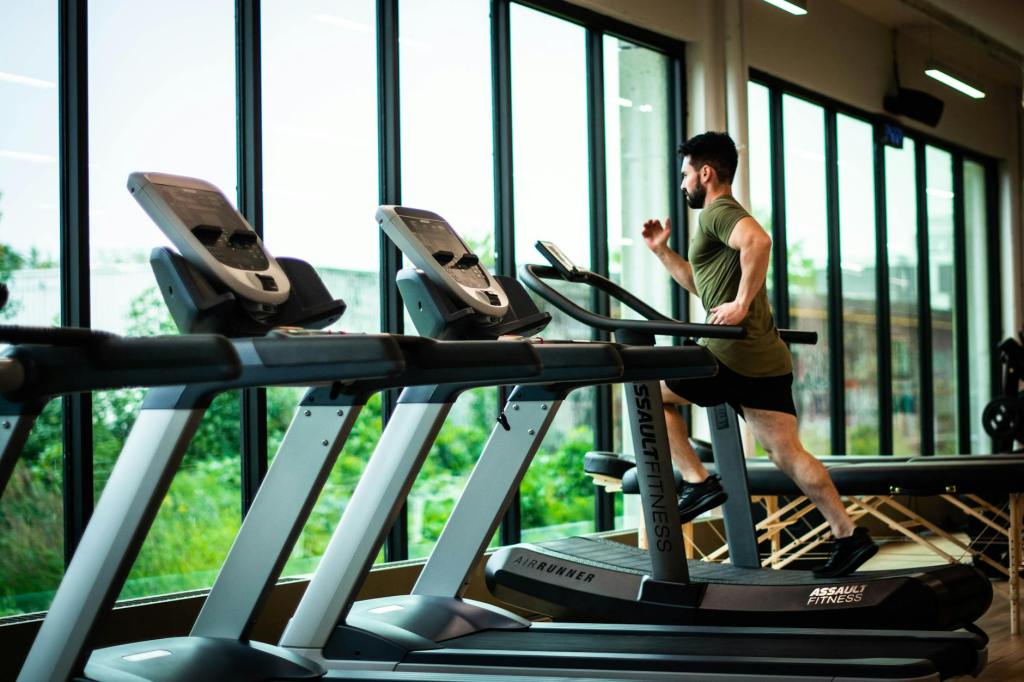
Another aspect of the trend is the rise of home fitness. With the advent of convenient, space-saving exercise machines like Peloton bikes and rowing machines, more people are skipping the gym and opting to build personal workout spaces at home. Peloton, in particular, has become a leader in this niche, offering a blend of high-end equipment and a built-in digital community. In 2020, Peloton’s revenue surged by 172% to $1.8 billion, demonstrating how the purchase of such equipment can act as a catalyst for people to pursue consistent exercise routines at home. This shift has allowed individuals who may have been intimidated by gyms or public exercise to feel comfortable working out in a private, familiar environment, reducing barriers to starting or maintaining a healthy lifestyle.
The broader impact on the global market is evident, as manufacturers and brands rush to meet this rising demand for fitness gear. Popular companies such as Nike, Adidas, and Under Armour have diversified their product lines to include more sports equipment and fitness apparel. In 2021, Nike reported a 19% increase in revenue, much of which was driven by increased sales of its fitness-related products. These brands, through endorsements and innovative designs, appeal to a wide audience, from beginner fitness enthusiasts to seasoned athletes. The marketing strategies employed by these companies often capitalize on the emotional connection people have with their health goals. For example, Nike’s “Just Do It” campaign taps into the idea that buying their products will help consumers push past their limits, motivating them to stay active and healthy.
Social media also plays a crucial role in fueling the fitness equipment market and motivating personal health goals. Platforms like Instagram, TikTok, and YouTube are filled with fitness influencers showcasing new products, workout routines, and transformation stories. This constant exposure to fitness content inspires viewers to purchase sports equipment and jump-start their own fitness journeys. In fact, surveys show that nearly 60% of millennials and Gen Z are influenced by social media when making fitness-related purchases. Trending products like smart weights, vibration plates, and eco-friendly yoga mats are often seen on these platforms, making it easier for consumers to discover new gear that suits their lifestyle and fitness goals.
In terms of the global reach, the market for sports equipment is not confined to a single region but has spread across developed and emerging economies. Countries like China, India, and Brazil are seeing a rapid rise in fitness consciousness, thanks to urbanization and increasing disposable incomes. According to a report by ResearchAndMarkets, the Asia-Pacific sports equipment market is expected to grow at the highest CAGR of 5.8% between 2021 and 2028. This growth is largely due to the expanding middle class in these regions, who are now able to afford high-quality fitness equipment. Additionally, governments and organizations in these countries are increasingly promoting fitness initiatives, further boosting demand for sports gear.
The impact of buying sports equipment on personal health goes beyond individual motivation—it creates ripple effects across society. As more people invest in fitness gear, the overall health of populations improves, leading to reduced healthcare costs and a lower prevalence of lifestyle-related diseases like obesity and diabetes. A study by the American Heart Association found that regular exercise reduces the risk of cardiovascular disease by up to 40%, which translates into fewer medical expenses and a better quality of life for individuals. This larger societal benefit underscores the importance of making fitness equipment accessible and appealing to the masses.
Moreover, the sports equipment market is expanding into niche areas, such as eco-friendly products and specialized gear for different types of sports. For instance, there has been a growing demand for sustainable fitness products made from recycled materials, as environmentally conscious consumers look for ways to combine their fitness goals with their values. Brands like Lululemon and Manduka have introduced eco-friendly yoga mats, water bottles, and apparel, appealing to this growing demographic. This trend adds another layer of motivation for people to buy sports equipment, as they feel they are contributing to both their health and the planet’s well-being.
Buying sports equipment is a significant motivator for individuals to adopt and maintain a healthy lifestyle. The global market for fitness gear is booming, with new innovations and products making it easier for people to start or enhance their fitness journeys. From the psychological commitment that comes with purchasing high-quality gear to the broader societal benefits of improved public health, the connection between sports equipment and personal wellness is clear. With the continued growth of this market, driven by trends in home fitness, social media influence, and eco-friendly options, more people are likely to be inspired to take charge of their health through the simple act of buying the right equipment.
What is the most popular sports attire worldwide and how athleisure become a thing in recent time?
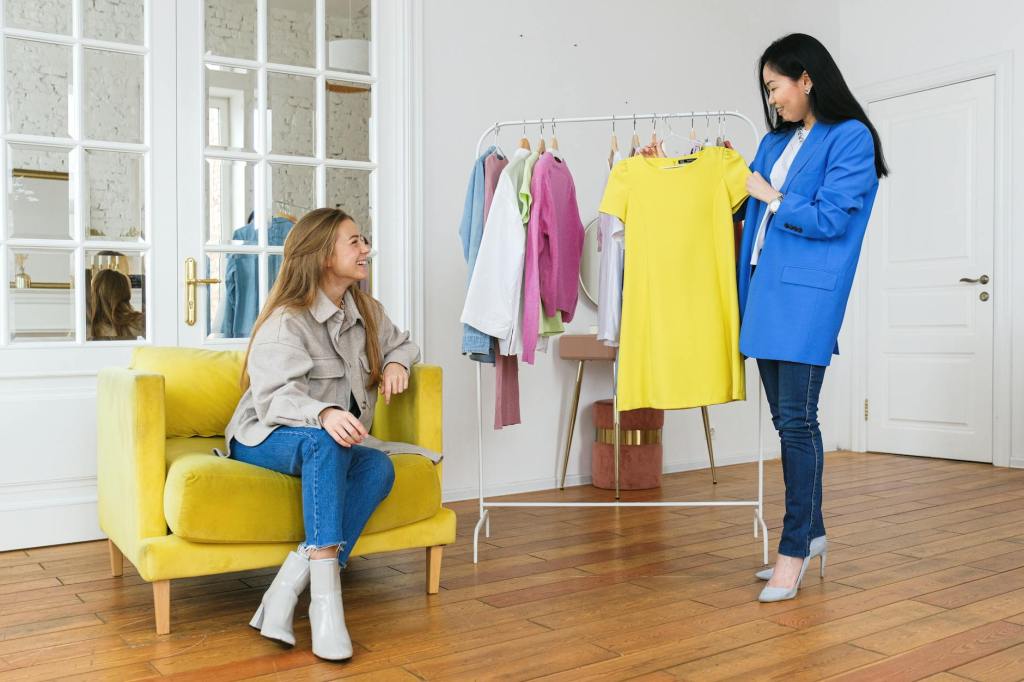
Sports attire has transformed dramatically in recent decades, shifting from purely functional gear to a fashion statement in everyday life. The most popular sports attire worldwide today is rooted in the athleisure trend, which blends the comfort and versatility of athletic wear with the style and adaptability of casual clothing. Athleisure has skyrocketed in popularity globally, largely due to its ability to transcend traditional sports contexts and become a staple in various lifestyle settings. From yoga pants and sneakers to moisture-wicking tops and joggers, athleisure has found its place as the go-to attire for millions of people.
The growth of athleisure has been driven by several key market factors. One of the primary contributors is the shift in consumer lifestyle toward health and fitness. According to a Global Wellness Institute report, the wellness economy reached $4.5 trillion in 2019, driven by the increasing focus on physical activity and well-being. As more people began adopting fitness routines, their clothing needs adapted to match both performance and comfort. This resulted in brands creating multi-functional attire that caters to both the active and casual segments of consumers. Global sales of athleisure apparel are projected to reach $517.5 billion by 2025, demonstrating its massive market potential.
One of the most notable trends in athleisure is the integration of technological advancements in fabric and design. Consumers are no longer satisfied with basic cotton t-shirts or heavy sweatpants. Instead, there is a growing demand for high-performance materials that are breathable, moisture-wicking, and stretchable. Brands like Lululemon and Nike have capitalized on this by introducing advanced materials, such as Lululemon’s signature “Luon” fabric, which is designed to provide stretch and support while maintaining shape retention and moisture management. These innovations help individuals stay comfortable whether they’re working out or simply running errands, further blurring the line between athletic and everyday clothing.
This shift has allowed athleisure to expand its reach far beyond the gym or yoga studio. The convenience of versatile clothing is attractive in today’s fast-paced world, where people often move from one activity to another without changing outfits. The growing acceptance of athleisure in various social settings has led to widespread adoption among consumers of all ages and demographics. For instance, sneakers, which were once confined to athletic activities, are now worn with suits, dresses, and business attire, reflecting the increased fluidity between athletic wear and fashion.
The global reach of athleisure has been aided by the rise of social media and celebrity endorsements. Platforms like Instagram and TikTok have provided a powerful stage for influencers and celebrities to showcase athleisure looks, promoting it as not just sportswear but a lifestyle. Major collaborations between sports brands and fashion icons have further elevated the status of athleisure. In recent years, partnerships between brands like Adidas and Beyoncé’s Ivy Park, or Puma and Rihanna’s Fenty line, have gained significant traction, combining celebrity appeal with performance-driven design. These collaborations boost brand visibility and expand their market reach, creating a fusion of fashion and function that appeals to a broad audience.
Athleisure’s dominance in the market can also be seen in its appeal across gender lines. While women were early adopters of athleisure, with yoga pants and leggings becoming wardrobe staples, men’s activewear is now catching up. The men’s athleisure market is expected to grow by over 8% annually, thanks to the increasing popularity of items like joggers, compression shorts, and lightweight hoodies. Nike, Adidas, and Under Armour have responded to this demand by introducing stylish yet practical collections designed to meet the needs of modern men who value both athletic performance and fashion-forward aesthetics.
Moreover, the athleisure trend is closely linked to sustainability, which has become a growing concern among global consumers. Shoppers today are more conscious of environmental impact, and many are choosing brands that prioritize eco-friendly materials and production processes. Companies like Patagonia and Adidas have made strides in this direction, with Patagonia’s recycled materials and Adidas’ “Parley for the Oceans” collection, which uses plastic waste intercepted from the ocean to create high-performance athletic wear. The rise of sustainable athleisure reflects broader shifts in consumer behavior, where style, functionality, and environmental responsibility intersect.
In addition to the fitness and sustainability movements, the global pandemic played a significant role in accelerating the popularity of athleisure. During lockdowns, people around the world turned to comfortable clothing as they adapted to new work-from-home norms. As a result, sales of sportswear and athleisure surged, with brands reporting record profits. Lululemon, for instance, saw its revenue rise by 24% in 2021, thanks to the increased demand for activewear that could double as loungewear. The hybrid work model that has emerged post-pandemic is likely to sustain this trend, as consumers continue to prioritize comfort in their daily wardrobes.
From a global market perspective, the popularity of athleisure is evident in its widespread adoption across regions. The United States remains the largest market, with North America accounting for nearly 30% of global athleisure sales. However, regions such as Asia-Pacific are experiencing significant growth, driven by rising disposable incomes and a growing middle class. China, in particular, has emerged as a key player in the athleisure market, with brands like Anta and Li-Ning gaining traction both domestically and internationally. Chinese consumers are increasingly investing in fitness, and this cultural shift is reflected in their fashion choices.
Looking at the future, the athleisure market is expected to continue expanding, as brands innovate and cater to the evolving needs of consumers. The lines between activewear and casual wear are likely to blur even further, with technological advancements in fabric and design playing a central role. Wearable technology integrated into clothing, such as fitness trackers embedded into leggings or temperature-regulating fabrics, is likely to become more prevalent, enhancing both functionality and user experience.
Overall, athleisure has become much more than just a fashion trend; it represents a broader shift in consumer lifestyle and priorities. The combination of style, comfort, and versatility has made it a wardrobe essential for people of all ages, genders, and regions. From the gym to the office and everywhere in between, athleisure’s ability to adapt to the needs of modern life ensures that it will remain a dominant force in the global apparel market for years to come. With continued innovation and an increasing emphasis on sustainability, athleisure is poised to evolve, reflecting not just what people wear, but how they live.
What is the genz and millenials approach on the need of working out?
The approach of Gen Z and Millennials toward working out reflects the significant changes in lifestyle, technology, and cultural norms that have shaped their generations. These younger demographics are redefining fitness, blending wellness, performance, and social experiences in ways that differ from previous generations. For both Gen Z, born between 1997 and 2012, and Millennials, born between 1981 and 1996, the importance of fitness is not just about health; it’s about holistic well-being, mental resilience, and identity.
The fitness market has seen tremendous growth over the past decade, with both Gen Z and Millennials playing a pivotal role. In 2022, the global fitness industry was valued at $87 billion, and by 2025, it is expected to reach $105 billion. These numbers indicate that fitness has become more than just a trend; it is a rapidly expanding industry driven by a younger, more health-conscious population. The rise of social media platforms like Instagram, TikTok, and YouTube has amplified the demand for fitness content, with influencers promoting workout routines, fitness challenges, and brand endorsements. This visibility has made working out a more accessible and desirable pursuit for younger audiences, pushing fitness brands to adapt to their preferences.
The reach of fitness among these generations goes beyond traditional gyms. Gen Z and Millennials gravitate toward experiences that blend fitness with community and technology. Brands like Peloton, which combines home workouts with an interactive, community-based platform, have seen substantial growth. Peloton’s subscriber base grew by 134% in 2021, fueled by Millennials and Gen Z who prioritize convenience, community, and digital connection. This shift toward virtual fitness was accelerated by the COVID-19 pandemic, which forced people to rethink how they stay active. Home fitness solutions, like those offered by brands such as Mirror, Tonal, and even fitness apps like Nike Training Club, became the go-to options for many.
Additionally, Millennials and Gen Z tend to prioritize flexibility and personalization in their workouts. The rise of on-demand workout apps, which allow users to fit exercise into their busy schedules, has catered perfectly to their lifestyles. According to a 2021 report by Statista, over 47% of Millennials and 36% of Gen Z used fitness apps regularly. The trend of customizable, bite-sized fitness experiences that can be accessed anytime has played into their need for convenience while still maintaining a commitment to physical health.
When looking at trends, one of the most significant is the growing emphasis on mental health and holistic wellness. Both Gen Z and Millennials are much more likely to view fitness as part of an overall mental and emotional health strategy rather than just a means to stay physically fit. Yoga, meditation, and mindfulness practices have surged in popularity among these generations. Fitness platforms like Calm and Headspace, which focus on mental wellness, have experienced a rise in subscriptions, showing how these demographics are linking mental clarity and physical activity.
Moreover, the trend of athleisure—combining fashion with fitness—has gained significant traction, particularly among Gen Z and Millennials. Brands like Lululemon, Nike, and Adidas have embraced this trend, catering to a generation that prioritizes comfort, style, and performance. According to GlobalData, the athleisure market grew by 9.5% in 2022, driven mainly by younger consumers who integrate fitness into their everyday lives. The rise of wearable technology, such as smartwatches and fitness trackers, has also contributed to this shift. Products like the Apple Watch, Fitbit, and Garmin offer a combination of fashion, technology, and health insights, appealing to a generation that thrives on data-driven decision-making.
The impact of Gen Z and Millennials on the global fitness market is profound. Their purchasing power, estimated to be over $3 trillion, gives them the ability to influence brands and industries. Fitness brands, aware of their preferences, have responded by creating more diverse, inclusive, and environmentally-conscious products and services. For example, Nike’s recent campaigns have focused on inclusivity and body positivity, tapping into the values of younger generations who seek authenticity and representation in the brands they support. Similarly, eco-friendly fitness products, from sustainable yoga mats to ethically produced workout clothes, have gained popularity, as both Millennials and Gen Z are highly concerned about sustainability.
Fitness communities have also thrived due to the social aspects of working out, which are particularly important to younger generations. Millennials and Gen Z often seek shared experiences, whether it be group workouts, fitness challenges, or social media-driven fitness movements. The #FitFam hashtag on Instagram, which has amassed millions of posts, exemplifies how fitness is as much a social activity as it is a personal one. Virtual fitness communities, whether through live-streamed classes or social media groups, allow users to stay connected and motivated, even when they are physically apart.
One of the emerging trends in the fitness world is the gamification of workouts, which appeals strongly to Gen Z. Fitness apps like Zwift and FitXR combine gaming elements with exercise, turning workouts into interactive, fun experiences. This playful approach is particularly appealing to a generation that grew up with video games and interactive technology. According to a 2023 survey by Global Web Index, 42% of Gen Z reported that they were more likely to work out if the activity felt like a game or was competitive in nature.
Additionally, these generations are demanding more transparency and diversity from fitness brands. They want to see a wide range of body types, ethnicities, and abilities represented in fitness marketing. Brands that fail to embrace this inclusivity often face backlash. A 2021 study by Deloitte found that 55% of Gen Z and Millennials are more likely to purchase from a brand that reflects their values, with diversity and inclusion being top priorities. This has caused a shift in the fitness industry’s approach, with more brands embracing real-life representations in their advertising and product offerings.
Gen Z and Millennials are redefining the fitness landscape by integrating physical health with mental well-being, technology, and social interaction. The market for fitness products and services tailored to these generations continues to grow rapidly, driven by their desire for convenience, personalization, and inclusivity. As fitness becomes increasingly integrated into their daily lives, brands must adapt to the evolving preferences of these influential consumers. Whether through wearable tech, fitness apps, or sustainable athleisure, the fitness world will continue to evolve with the demands of Gen Z and Millennials, who are shaping the future of wellness.
Why should you ship with SindoShipping and how is our company able to help you and your business to ship your goods and products to Indonesia?
Our company vision is to help companies around the world to be able to export their products to Indonesia with ease and expand their market worldwide especially in South East Asia as Indonesia is the leading internet market and largest economy around the region and to help ease the process of importation to the country and we want to help millions of Indonesian to access products worldwide with effective shipping system.
With the proper documentation and brokerage, we are able to help our customers ship a few categories of goods which have limited restrictions to Indonesia without any hassle to the customers address directly as we understand the process and the regulation of the imports including the taxation process of imports.
SindoShipping specialized in electronics, high tech products, cosmetics, luxury branded, toys, supplement and vitamins, fashion, bags and shoes, and traditional medicine shipping to Indonesia since 2014 with the top accuracy of shipment service and the live tracking available during the cross border shipment so the customer can feel safe and secure about their shipping. Contact us now for further details at 6282144690546 and visit out site sindoshipping.com



 SindoShipping