In recent years, the global wellness industry has undergone a transformation from a niche, health-focused segment into a multi-trillion-dollar powerhouse that combines medical science, luxury experiences, and lifestyle branding. This shift is being driven by a combination of factors—rising consumer awareness of preventive health, growing disposable incomes among affluent demographics, and the influence of social media that celebrates aspirational lifestyles. The wellness medicine sector, which integrates advanced diagnostics, supplements, anti-aging treatments, and personalized health programs, has been growing at a rapid pace, with the global wellness market now valued at over USD 5.6 trillion and projected to surpass USD 8.5 trillion by 2027. Within this vast space, luxury wellness—where health meets indulgence—is emerging as one of the fastest-growing subcategories, attracting high-spending consumers who want not only to live longer but to live better, with style and exclusivity.
The appeal of wellness medicine and luxury wellness lies in its promise of personalized, results-driven experiences that go beyond traditional healthcare. Instead of reactive medical care, consumers are investing in preventive, holistic approaches that combine functional medicine, genetic testing, biohacking, and advanced supplements. Clinics in cities like Singapore, Dubai, and Los Angeles are offering membership-based concierge medical services with 24/7 doctor access, executive health screenings, and longevity programs that cost upwards of USD 20,000 per year. This exclusivity positions wellness medicine as not just a health decision but a status symbol, much like owning a luxury watch or driving a premium car. High-net-worth individuals are increasingly viewing their health as an asset worth premium investment, and brands are capitalizing on this by combining medical credibility with luxury branding.
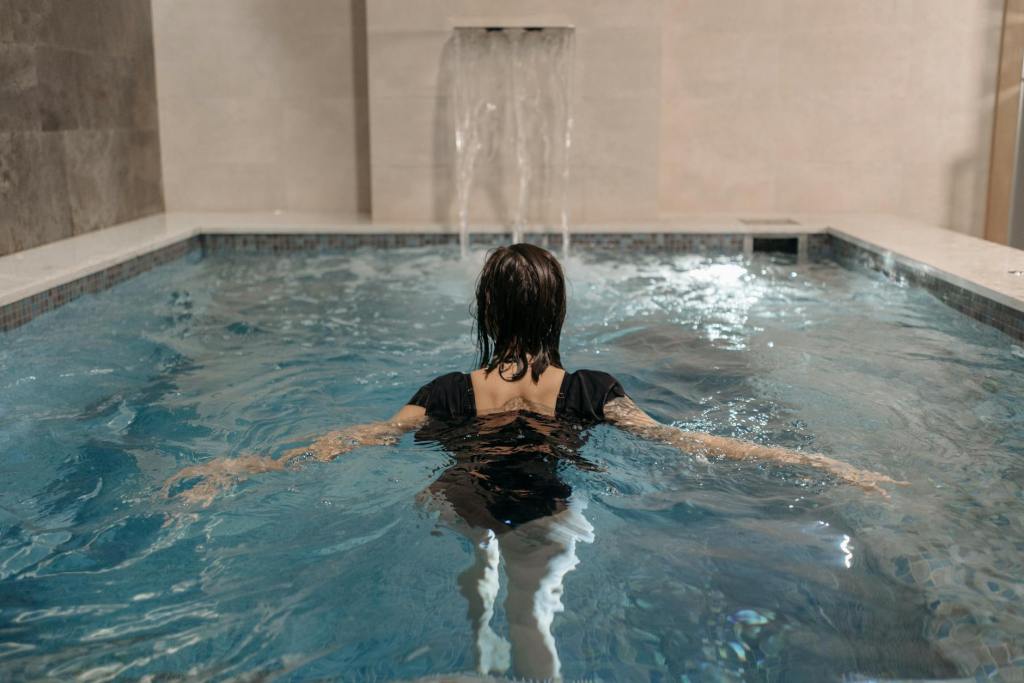
Social media has been a powerful accelerator of this trend, with influencers, celebrities, and athletes openly sharing their wellness routines, supplement stacks, and visits to high-end medical spas. The aspirational aspect is undeniable—when personalities like Gwyneth Paltrow’s Goop promote luxury detox retreats or Cristiano Ronaldo showcases cryotherapy sessions, followers are inspired to seek similar experiences. Instagram and TikTok have amplified the appeal of visually stunning wellness destinations—think infinity pools in wellness resorts, private yoga retreats in the Maldives, or futuristic hyperbaric chambers in Dubai clinics. This visual culture fuels the demand for experiences that combine health improvement with an Instagram-worthy aesthetic, blending medical credibility with lifestyle aspiration.
The luxury wellness market is also benefiting from the global shift toward longevity and bio-optimization, particularly among wealthy consumers in Asia, the Middle East, and North America. Countries like Singapore and Japan, with aging yet affluent populations, are seeing a surge in wellness medicine demand that focuses on anti-aging, cognitive enhancement, and chronic disease prevention. In the Middle East, particularly the UAE and Saudi Arabia, royal families and elites are funding state-of-the-art wellness facilities that offer stem cell therapy, genetic analysis, and advanced regenerative treatments. These are not mass-market services—they are exclusive, high-margin offerings that combine medical breakthroughs with luxurious service environments, catering to the most discerning clients.
The rise of luxury wellness is also being fueled by the merging of hospitality and healthcare, with luxury hotel brands such as Aman, Four Seasons, and Six Senses investing heavily in wellness resorts and medical partnerships. Guests can now enjoy luxury accommodations while receiving personalized medical consultations, detox therapies, and fitness programs designed by top physicians. This “wellness tourism” segment is already worth over USD 700 billion globally and is forecast to grow at more than 9% annually. Travelers are no longer satisfied with vacations that simply offer relaxation—they want transformative experiences that improve their health and longevity while maintaining a five-star level of comfort and exclusivity.
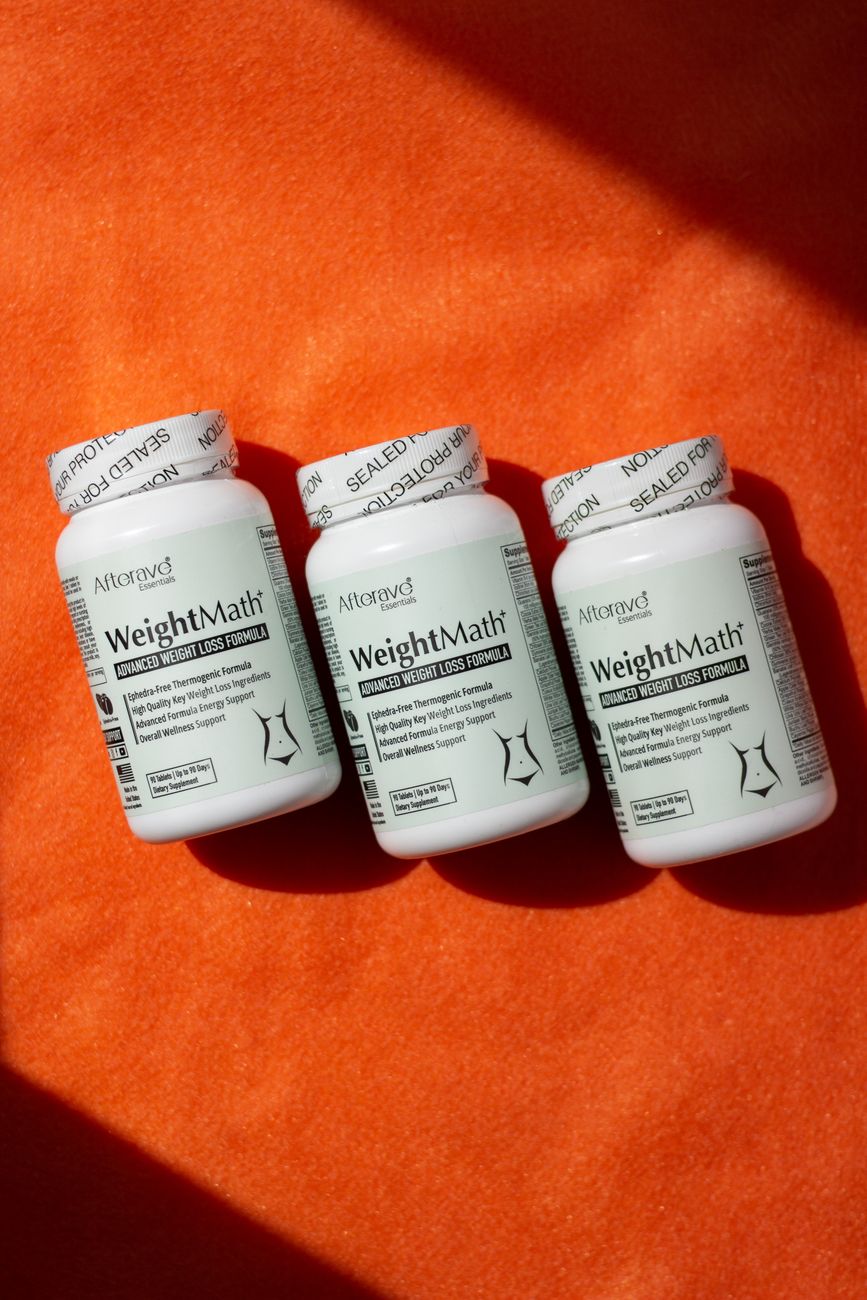
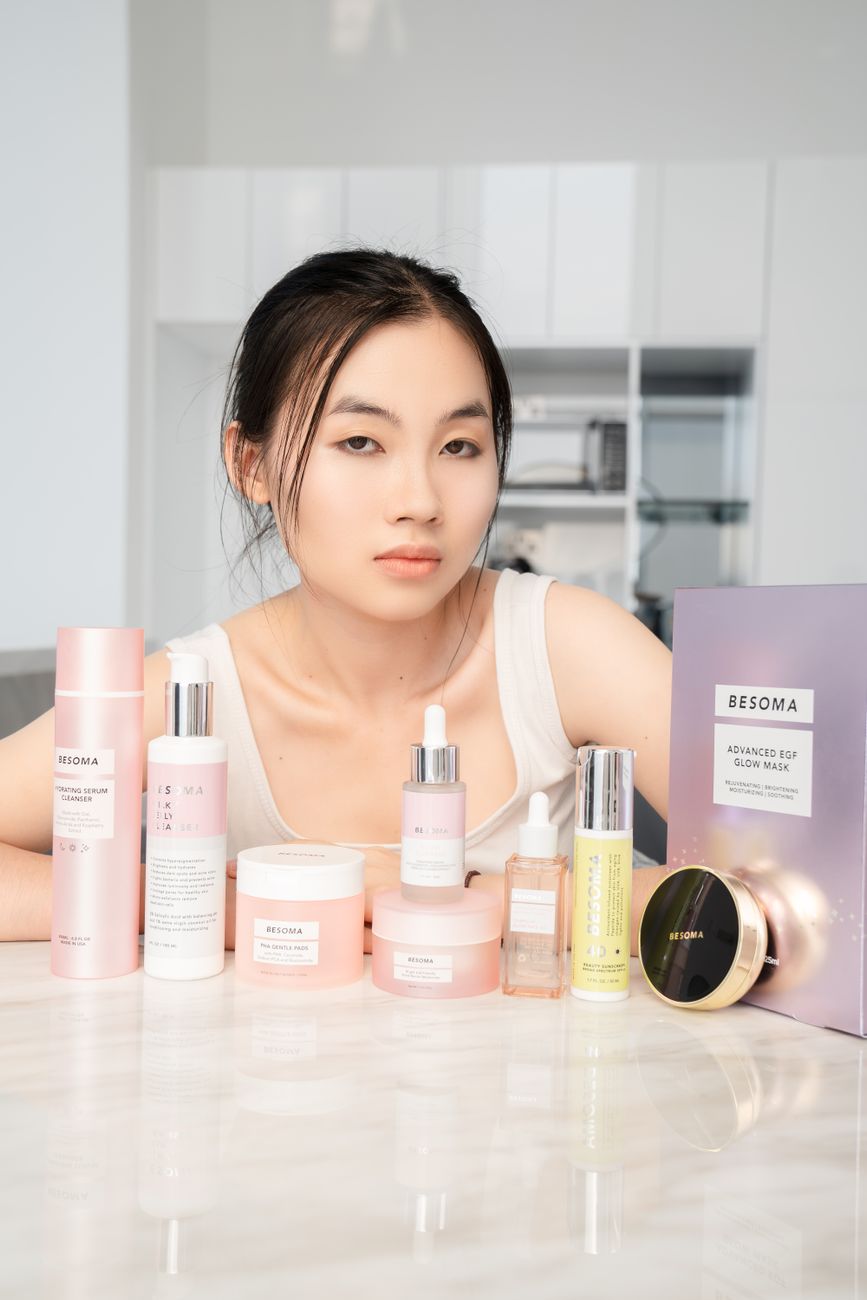
Another driving factor is the rise of high-end supplements and nutraceuticals marketed as luxury lifestyle products. Premium brands such as Lyma, Elysium Health, and The Nue Co. are packaging scientifically backed formulations in sleek, designer-style packaging, often retailing at prices several times higher than mass-market vitamins. These products are positioned not only as health essentials but as luxury goods—appealing to a consumer base that values both efficacy and brand prestige. The marketing often emphasizes exclusivity, with products available only through invitation, subscription, or in select high-end boutiques, further enhancing the perception that wellness medicine is a luxury pursuit rather than a commodity.
Market behavior also shows that the luxury wellness customer is highly global and willing to travel for the best services. It is common for affluent clients in Indonesia or Thailand to fly to Singapore for executive health check-ups, for Europeans to visit Swiss medical spas, or for Americans to seek stem cell therapy in Panama or Costa Rica. This cross-border demand is supported by the fact that luxury wellness experiences are often location-specific, tied to centers of medical excellence or unique natural environments. The spending patterns in this segment are impressive—wellness-focused travelers spend on average 53% more per trip than typical tourists, according to recent industry analysis, making it a lucrative focus for both medical providers and luxury travel brands.
Technological advancements are also pushing luxury wellness into the mainstream of affluent lifestyles. Wearable devices like Oura Rings, Whoop bands, and advanced continuous glucose monitors are being paired with personalized coaching services, often costing hundreds or thousands of dollars annually. The data collected from these devices feeds into luxury wellness programs that adjust nutrition, supplementation, and exercise in real time, creating a sense of hyper-personalization that aligns with the exclusivity consumers expect. Brands are also integrating AI-powered health assessments, virtual consultations with top specialists, and even digital twin modeling to predict and optimize long-term health outcomes—further reinforcing the premium nature of these services.
The pandemic also played a critical role in accelerating this trend, as COVID-19 heightened global awareness of health resilience and preventive care, especially among the wealthy who could afford the best treatments and environments. During lockdowns, luxury wellness brands pivoted to home-delivered medical services, personal health coaches, and exclusive online wellness retreats, which helped them maintain engagement with clients and even expand their reach globally. Post-pandemic, the demand has only intensified, with consumers seeking to regain lost time, improve immune health, and invest more heavily in long-term well-being.
From a business perspective, luxury wellness offers exceptionally high margins and strong brand loyalty, making it one of the most attractive emerging sectors for investors and entrepreneurs. Unlike traditional medicine, where pricing is often constrained by insurance or regulation, luxury wellness operates largely in a cash-pay, discretionary spending model, allowing for creative pricing and bundling of services. The ability to cross-sell products, memberships, retreats, and ongoing treatments creates multiple revenue streams, while the aspirational branding drives organic word-of-mouth marketing within high-net-worth networks.
Looking ahead, the luxury wellness and wellness medicine market is set to become a dominant force in both the healthcare and luxury industries, driven by demographic shifts, rising global wealth, and the blending of medical science with lifestyle branding. As technology continues to enhance personalization and outcomes, and as luxury hospitality brands deepen their involvement in health-focused travel, the space will likely see even greater innovation and expansion. For consumers, wellness medicine will increasingly become not just a healthcare choice but a lifestyle statement—an investment in both personal longevity and social identity. For businesses, the opportunity lies in creating offerings that deliver measurable health benefits while satisfying the deep psychological desire for exclusivity, beauty, and prestige that defines the luxury market. In this environment, the brands that can seamlessly merge medical credibility, cutting-edge technology, and luxury experience will be the ones that dominate the next decade of global wellness trends.
How pandemic of covid changes peoples behavior towards health luxury wellness all over the world?
The COVID-19 pandemic has permanently reshaped how people view their health, shifting wellness from a background concern into a central priority, especially in the realm of luxury wellness. Before 2020, high-end wellness was often perceived as an indulgence for the wealthy, but the pandemic turned it into a necessity for a far wider demographic of affluent and health-conscious consumers. Lockdowns, social distancing, and the constant threat of illness heightened the awareness of immune health, preventive medicine, and mental well-being, pushing people to seek premium solutions that could promise not only better health but also an enhanced quality of life. This transformation has elevated the luxury wellness market to new heights, with the global wellness economy valued at over USD 5.6 trillion in 2023 and projected to grow at more than 9% annually, driven in large part by post-pandemic behavioral shifts.
One of the most significant changes in consumer behavior is the willingness to invest heavily in preventive health measures, advanced diagnostics, and personalized care. The uncertainty and fear caused by COVID-19 led many to recognize that the traditional reactive healthcare model was insufficient. As a result, high-income individuals started embracing wellness medicine programs that combine comprehensive health screenings, genetic testing, biohacking technologies, and personalized supplementation regimens. Membership-based concierge clinics in cities like Singapore, Dubai, Los Angeles, and Zurich now offer annual packages costing tens of thousands of dollars, reflecting a new mindset where protecting health is seen as a premium investment, not an optional luxury.
The pandemic also accelerated the merging of luxury hospitality and healthcare, creating a booming sector in luxury wellness tourism. During the years of restricted travel, consumers began craving destinations that could offer both relaxation and measurable health benefits. Today, high-end resorts such as Aman, Six Senses, and Chiva-Som have expanded their offerings to include immune-boosting retreats, post-COVID recovery programs, and longevity clinics with on-site physicians. This segment of wellness tourism is now worth more than USD 700 billion globally, with travelers willing to spend 50% more per trip than before the pandemic, driven by a desire to combine leisure with life-enhancing medical services.
The shift in consumer priorities also created a surge in demand for mental wellness and stress management services. Lockdowns highlighted the toll of social isolation, uncertainty, and economic disruption, leading to a rapid growth in mindfulness retreats, luxury mental health clinics, and digital wellness platforms. Affluent consumers increasingly sought personalized therapies, private meditation retreats, and high-end spa programs designed to address anxiety, burnout, and emotional resilience. Brands such as The Well and SHA Wellness Clinic have integrated psychological care with physical treatments, offering clients a holistic approach that blends neuroscience, nutrition, and luxury hospitality.
In parallel, the pandemic boosted the popularity of cutting-edge home wellness technologies, as people sought to replicate the benefits of luxury wellness facilities within their private spaces. Sales of high-end fitness equipment, infrared saunas, cryotherapy machines, and oxygen therapy systems surged during lockdowns, and the trend has not faded. Today’s luxury wellness consumer often owns wearables like the Oura Ring or Whoop Band, connects to personalized coaching services, and uses AI-powered health platforms to track and optimize performance. This reflects a broader movement toward data-driven wellness, where technology personalizes health recommendations and reinforces a sense of exclusivity by offering insights tailored to each individual.
Social media has played a vital role in cementing this shift, with influencers and celebrities showcasing their post-pandemic wellness routines and luxury health investments. From high-profile figures posting about stem cell therapies in Switzerland to professional athletes sharing hyperbaric chamber sessions, these aspirational glimpses have amplified demand for advanced treatments that were once only accessible to a select few. Platforms like Instagram and TikTok have turned wellness into both a lifestyle and a status symbol, making it socially desirable to share experiences in luxury clinics, retreats, and biohacking labs.
Geographically, the market for luxury wellness has become truly global in the post-COVID era. In Asia, affluent consumers from Indonesia, Thailand, and China are traveling to Singapore and Japan for executive health check-ups and longevity programs. In the Middle East, the UAE and Saudi Arabia are positioning themselves as hubs for premium wellness tourism, building state-of-the-art facilities that cater to both locals and international visitors. In Europe, Switzerland and Spain continue to dominate as destinations for elite medical spas and anti-aging clinics. This international demand reflects not just wealth concentration, but also a broader cultural shift where elite consumers see wellness as part of their identity and lifestyle.
Another important trend born from the pandemic is the elevation of immune health as a luxury product category. High-end supplement brands such as Lyma, Elysium Health, and The Nue Co. have positioned themselves as scientifically backed, premium options for boosting immunity, improving longevity, and enhancing cognitive function. These products are often subscription-based, packaged in minimalist yet luxurious designs, and marketed through exclusive distribution channels. The emphasis on credibility, personalization, and exclusivity mirrors the way luxury fashion brands operate, further blending wellness with status consumption.
The pandemic also revealed the fragility of healthcare access in many parts of the world, prompting wealthy individuals to seek guaranteed availability through private networks and cross-border memberships. This has fueled the growth of medical concierge services that provide global access to top specialists, priority hospital admission, and even emergency evacuation services. Such offerings are no longer seen as extreme precautions, but as logical investments in a volatile health landscape. This aligns with the broader post-pandemic consumer psychology, where resilience and readiness are prized as much as luxury and comfort.
From a market perspective, these changes have made luxury wellness one of the most attractive high-growth sectors in the global economy. It combines the high margins of the luxury industry with the recurring revenue potential of healthcare, creating a hybrid model that appeals strongly to investors. Brands in this space benefit from intense customer loyalty, as wellness is deeply personal and clients are reluctant to switch providers once they find one they trust. Moreover, the integration of technology, hospitality, and medicine creates multiple revenue streams—from subscriptions and memberships to product sales and destination retreats—making the sector resilient even in uncertain economic times.
Looking ahead, the post-pandemic consumer will continue to prioritize health and wellness as essential elements of a luxury lifestyle, with demand for exclusivity, personalization, and measurable results driving innovation. The convergence of medical science, technology, and high-end service will produce even more specialized offerings, from gene-editing therapies to ultra-personalized nutrition plans based on microbiome sequencing. For businesses, the opportunity lies in understanding that health is no longer just a medical necessity—it is an aspirational pursuit, a marker of status, and a key component of identity in the modern luxury consumer’s life. For individuals, the pandemic has made one truth undeniable: in a world where uncertainty can strike at any moment, investing in one’s health is not just wise—it is the ultimate form of luxury.
How visiting luxury wellness center become a symbol of status for the wealthy in recent time?
In recent years, visiting a luxury wellness center has evolved from being a private health choice into a public display of wealth, sophistication, and exclusivity, transforming into one of the most sought-after status symbols among the world’s affluent. Once reserved for discreet medical purposes or quiet retreats, these facilities have become the backdrop for a lifestyle narrative where health, longevity, and luxury intersect. The global wellness economy, now valued at over USD 5.6 trillion and projected to grow beyond USD 8.5 trillion by 2027, has seen luxury wellness emerge as one of its most lucrative segments. For the wealthy, frequenting these centers is not only about enhancing their well-being but also about reinforcing their position in a social hierarchy that prizes elite access, personalized care, and the ability to invest in the most advanced forms of self-optimization.
The appeal of luxury wellness centers lies in their ability to combine cutting-edge medical technology with an environment of indulgence and exclusivity. These are not typical gyms or spas; they are often architectural marvels offering private suites, on-site Michelin-level nutrition, and access to world-renowned doctors and therapists. Programs can include genetic testing, anti-aging protocols, regenerative medicine, cryotherapy, hyperbaric oxygen therapy, and bespoke supplement regimens—services priced in the tens of thousands of dollars annually. The exclusivity is part of the allure; many centers operate on an invitation-only basis or offer memberships capped at a limited number, creating scarcity that amplifies their status appeal.
Social media has amplified this transformation, turning luxury wellness into a visible marker of lifestyle. Affluent individuals now share curated glimpses of their stays at Swiss medical spas, Balinese wellness sanctuaries, or Dubai’s futuristic health clinics, turning these experiences into aspirational content. The image of being attended to by top-tier medical staff in a serene, design-forward space communicates both health consciousness and financial capability. In an era where personal branding plays a central role in social standing, these wellness experiences act as powerful visual cues of success, discipline, and exclusivity.
Market data supports this evolution. Wellness tourism alone is now worth more than USD 700 billion globally, and luxury wellness travelers spend significantly more—often 50% higher per trip—than regular tourists. Swiss destinations like Clinique La Prairie and Chenot Palace, Thai retreats such as Chiva-Som, and high-tech urban centers like Lanserhof in London are booked months in advance, with clients flying in from around the world. These are not one-time visits; repeat memberships and annual health retreats are common, signaling that participation in this ecosystem is a continuous commitment rather than a fleeting indulgence.
The rise of luxury wellness as a status symbol is also closely tied to the global trend of longevity and bio-optimization among the wealthy. In regions such as Asia and the Middle East, there has been a surge in demand for services that promise not just better health but extended vitality and peak performance well into later years. Affluent consumers from Jakarta, Bangkok, Riyadh, and Beijing are increasingly traveling abroad for executive health check-ups and wellness programs, often pairing these with luxury travel experiences. This willingness to travel internationally for wellness reinforces the idea that such services are a privilege only available to those with the means and freedom to pursue them.
Hospitality brands have capitalized on this shift, integrating wellness as a core component of luxury travel. Properties under Aman, Four Seasons, and Six Senses now feature dedicated wellness centers offering everything from high-altitude training to Ayurvedic detox, often curated in collaboration with leading medical experts. These partnerships position luxury wellness as a seamless part of an elite lifestyle, where a stay at a resort is no longer just about relaxation but about measurable, curated health outcomes. In doing so, these experiences become shareable milestones that confer prestige upon their participants.
The exclusivity extends beyond location and service—it is embedded in the customization of the experience. Personalized wellness programs are a key driver of the market’s appeal to high-net-worth individuals, with offerings tailored through comprehensive diagnostics, lifestyle analysis, and even real-time biometric tracking. This level of personalization is positioned as a luxury in itself, signifying that one’s health is important enough to warrant precision care. In a world increasingly dominated by mass-market solutions, the ability to access bespoke, science-backed health interventions serves as a potent signal of status.
The psychology behind this trend is rooted in the growing association between health, productivity, and influence. For many in high-powered positions—whether in business, entertainment, or politics—physical vitality and mental clarity are not just personal goals but professional assets. Publicly engaging in elite wellness rituals communicates not only wealth but also discipline, forward-thinking, and a commitment to self-mastery. This aligns closely with the modern interpretation of luxury, which has shifted from owning expensive items to curating rare, transformative experiences that enhance one’s life in ways others cannot easily replicate.
Interestingly, the pandemic accelerated this shift by making wellness an urgent priority rather than a background aspiration. The post-COVID era has seen wealthy individuals double down on their commitment to health security, leading to a surge in demand for memberships at elite clinics that guarantee priority access, emergency care, and continuous monitoring. What was once a discreet personal choice has now become a visible demonstration of preparedness and resilience, further embedding luxury wellness in the social fabric of the affluent class.
From a business standpoint, luxury wellness centers are among the most profitable ventures in the health and hospitality sectors. They combine the recurring revenue model of healthcare memberships with the high margins of luxury experiences, and their clientele demonstrates exceptional loyalty. Word-of-mouth referrals within elite networks are powerful drivers of growth, as participation in certain wellness programs becomes a shared marker of belonging to a specific social tier. The cross-selling potential is immense, ranging from high-end supplements and skincare lines to exclusive retreats and follow-up consultations, ensuring that the brand relationship extends far beyond the initial visit.
Looking forward, the luxury wellness center will continue to solidify its place as a symbol of status and identity for the global elite, with the sector expected to innovate even further through the integration of advanced biotechnology, AI-driven health optimization, and immersive luxury environments. In an age where exclusivity, personal branding, and health consciousness intersect, the wealthy will increasingly see these centers not only as a means to enhance longevity and vitality but as an indispensable part of their public narrative. The convergence of science, service, and style ensures that visiting a luxury wellness center is no longer just a matter of self-care—it is a declaration of who you are, what you value, and the heights you can afford to reach.
Why should you ship with SindoShipping and how is our company able to help you and your business to ship your goods and products to Indonesia?
Our company vision is to help companies around the world to be able to export their products to Indonesia with ease and expand their market worldwide especially in South East Asia as Indonesia is the leading internet market and largest economy around the region and to help ease the process of importation to the country and we want to help millions of Indonesian to access products worldwide with effective shipping system.
With the proper documentation and brokerage, we are able to help our customers ship a few categories of goods which have limited restrictions to Indonesia without any hassle to the customers address directly as we understand the process and the regulation of the imports including the taxation process of imports.
SindoShipping specialized in electronics, high tech products, cosmetics, luxury branded, toys, supplement and vitamins, fashion, bags and shoes, and traditional medicine shipping to Indonesia since 2014 with the top accuracy of shipment service and the live tracking available during the cross border shipment so the customer can feel safe and secure about their shipping. Contact us now for further details at 6282144690546 and visit out site sindoshipping.com