Luxury brands are increasingly focusing their attention on Islamic countries and regions, recognizing the vast potential within these markets. This shift is not only driven by the growing affluence in these areas but also by the changing consumer preferences, where a new generation of buyers is eager to engage with luxury products that align with their cultural values. The Middle East, Southeast Asia, and parts of Africa are emerging as vital luxury markets due to their robust economies, burgeoning middle class, and youth-dominated demographics. Luxury brands are finding that catering to these markets requires nuanced approaches, from offering modest fashion lines to aligning with halal certification standards.
One of the key factors propelling luxury brands toward Islamic markets is the increasing purchasing power of the middle class in these regions. According to a report by DinarStandard, Muslim consumer spending on fashion is expected to reach $402 billion by 2024. This significant spending power is seen in countries such as the United Arab Emirates (UAE), Saudi Arabia, and Malaysia, where the luxury market has been growing rapidly. In Saudi Arabia, the Vision 2030 initiative is boosting the economy and opening up the country to global brands, while the UAE continues to be a hub for luxury shopping with destinations like Dubai Mall and Mall of the Emirates attracting both local and international shoppers.
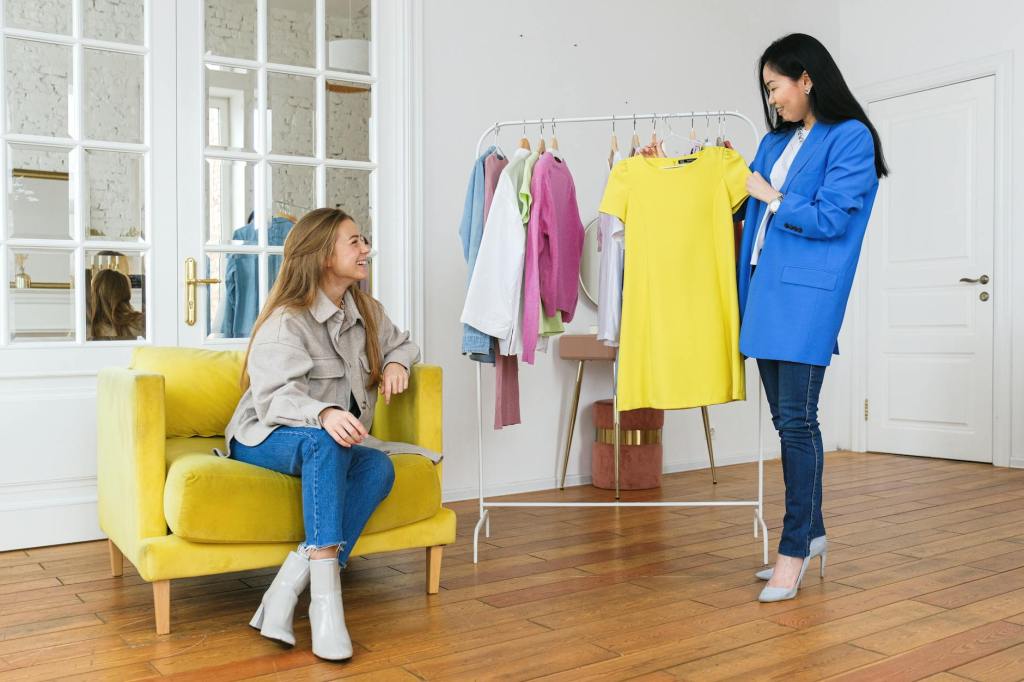
One of the most prominent examples of how luxury brands are adapting to the Islamic market is the rise of modest fashion. Many luxury fashion houses have launched collections catering to Muslim women’s demand for elegant yet conservative clothing. Brands like Dolce & Gabbana, Burberry, and Oscar de la Renta have embraced modest fashion by releasing hijab collections and abayas, designed specifically for this growing market. Dolce & Gabbana, for instance, was one of the first luxury brands to launch a hijab and abaya collection, featuring intricate lace details, embroidery, and prints that resonate with their high-end aesthetic while maintaining modesty.
Luxury brands are also starting to align themselves with the principles of halal certification. This trend is particularly relevant for brands selling perfumes, cosmetics, and skincare products, as many Muslim consumers seek halal-certified products that adhere to Islamic dietary laws and ethical guidelines. For example, Estee Lauder and L’Oreal have taken steps to ensure that their products meet halal certification standards, making them more appealing to Muslim consumers. The global halal beauty market, valued at over $74 billion in 2022, is expected to grow substantially in the coming years, providing a lucrative opportunity for luxury brands to expand their offerings.
Digitalization and e-commerce are also accelerating luxury brands’ entry into Islamic markets. The pandemic has transformed the way consumers shop, and many are turning to online platforms to buy luxury products. Countries such as Indonesia and Malaysia, with high smartphone penetration rates, are seeing significant growth in online luxury shopping. Platforms like Farfetch and Net-a-Porter have become popular among Muslim shoppers, who can now access a wide range of luxury brands without leaving their homes. In response, brands like Gucci, Louis Vuitton, and Balenciaga have optimized their online platforms for consumers in Islamic countries, offering seamless e-commerce experiences.
Moreover, social media influencers and brand ambassadors play a critical role in shaping luxury consumption in these markets. In countries such as the UAE and Indonesia, where social media usage is widespread, luxury brands are collaborating with Muslim influencers who promote their products in culturally relevant ways. For instance, luxury brands have partnered with influencers such as Dina Tokio and Ascia Al Faraj, who have significant followings within the Muslim community. These influencers showcase how luxury products can be incorporated into modest wardrobes, helping brands build trust and credibility with Muslim consumers.
Ramadan is another significant time when luxury brands intensify their focus on Islamic markets. During the Holy Month, luxury retailers often launch special collections, campaigns, and promotions tailored to the festivities. Brands such as Chanel and Cartier have introduced exclusive Ramadan collections, featuring products that appeal to Muslim consumers during this period of gift-giving and celebration. Additionally, brands are aligning their marketing strategies with cultural values, ensuring that their campaigns are respectful and resonate with the traditions of their target audience.
The success of luxury brands in Islamic markets is also tied to the rise of experiential retail. In cities like Dubai, Riyadh, and Kuala Lumpur, luxury shopping is not just about purchasing products but about the entire experience. Malls in these regions have transformed into lifestyle destinations where consumers can enjoy dining, entertainment, and luxury services. For example, Dubai Mall, one of the largest shopping centers in the world, houses flagship stores of nearly every major luxury brand, offering personalized shopping experiences that cater to the needs of high-net-worth individuals. These experiences, combined with tax-free shopping in some regions, make Islamic markets highly attractive for luxury brands.
As luxury brands continue to embrace Islamic markets, they are also mindful of the importance of cultural sensitivity. This involves not only understanding religious and cultural norms but also recognizing the diverse nature of Muslim consumers. The Islamic world spans across continents, from North Africa to Southeast Asia, and within this vast market, there are varying preferences, traditions, and values. Brands that succeed in this space are those that take the time to understand and respect these differences. For instance, while modest fashion may be more popular in the Middle East, Southeast Asian consumers might prioritize different aspects of luxury, such as sustainable and ethical production practices.
In conclusion, the increasing focus of luxury brands on Islamic countries and regions is a strategic move to tap into the fast-growing, affluent Muslim consumer market. With the rise of modest fashion, halal-certified products, e-commerce, and culturally sensitive marketing strategies, luxury brands are well-positioned to capture the attention of Muslim consumers. By embracing these markets and aligning their products with the values and preferences of their target audience, luxury brands are poised to see continued growth in these regions. As Islamic markets continue to evolve, the opportunity for luxury brands to expand their reach and influence will only grow stronger, making this a crucial area for future investment and innovation.
This focus on Islamic markets also represents a broader shift in the luxury industry, where inclusivity and cultural understanding are becoming essential elements of brand success. Luxury consumers today are diverse, informed, and increasingly values-driven, and brands that reflect these qualities will be the ones that thrive in the global marketplace.
Why should you ship with SindoShipping and how is our company able to help you and your business to ship your goods and products to Indonesia?
Our company vision is to help companies around the world to be able to export their products to Indonesia with ease and expand their market worldwide especially in South East Asia as Indonesia is the leading internet market and largest economy around the region and to help ease the process of importation to the country and we want to help millions of Indonesian to access products worldwide with effective shipping system.
With the proper documentation and brokerage, we are able to help our customers ship a few categories of goods which have limited restrictions to Indonesia without any hassle to the customers address directly as we understand the process and the regulation of the imports including the taxation process of imports.
SindoShipping specialized in electronics, high tech products, cosmetics, luxury branded, toys, supplement and vitamins, fashion, bags and shoes, and traditional medicine shipping to Indonesia since 2014 with the top accuracy of shipment service and the live tracking available during the cross border shipment so the customer can feel safe and secure about their shipping. Contact us now for further details at 6282144690546 and visit out site sindoshipping.com




 SindoShipping