Luxury brands are uniquely positioned to influence global markets, especially in countries that attract a high volume of international tourists. Through their market reach, trendsetting capabilities, and significant economic impact, these companies play a pivotal role in shaping and benefiting from the dynamics of the global customer market. This essay will explore how luxury brand companies contribute to tourist-rich countries, focusing on their market penetration, ability to set trends, and their broader impact on the world market.
Luxury brands have an extensive global presence, with flagship stores in nearly every major city frequented by tourists. These companies strategically locate their outlets in high-traffic, high-visibility areas of cities, often in districts known for shopping and tourism. For example, brands like Louis Vuitton and Gucci maintain prominent storefronts on Champs-Elysées in Paris or Fifth Avenue in New York. The presence of these stores does not just cater to the purchasing power of tourists; it also enhances the retail environment of the city itself.
Statistically, the global luxury market has shown resilient growth, with Bain & Company reporting a projected increase to approximately 1.26 trillion euros by 2025. This growth is fueled partly by international tourists, who often allocate a significant portion of their travel budget to luxury shopping. According to Global Blue, tourists can account for up to 60% of luxury sales in key European markets. The inflow of tourist spending helps bolster the local economies of these cities, contributing to job creation and tax revenues, thus playing a critical role in their economic landscapes.
Luxury brands have an unparalleled reach, connecting with consumers across various platforms. Beyond physical stores, these brands have mastered the use of digital marketing and e-commerce to tap into a broader audience. The rise of digital platforms allows tourists to engage with brands before, during, and after their visits, thus enhancing brand loyalty and ongoing consumer engagement.
For instance, during the COVID-19 pandemic, when travel was restricted, many luxury brands accelerated their digital transformation to maintain their connection with international customers. Through virtual reality shopping experiences and online clienteling, brands were able to offer personalized shopping experiences that replicated the in-store experience to a significant extent. This not only maintained their sales but also expanded their consumer base to those who plan future travels.
Luxury brands often set the trends that define global fashion and luxury markets. Their influence extends beyond fashion, impacting lifestyle, hospitality, and even consumer electronics. These trends significantly affect tourist behavior, with many international visitors seeking to engage with the latest and most exclusive products during their travels. The release of a new product or a limited edition item can drive significant foot traffic, creating buzz and increased spending in tourist-heavy cities.
Moreover, luxury brands also drive cultural trends. For instance, collaborations between high-end fashion houses like Hermes and artists or local designers can highlight local culture and attract attention to lesser-known tourist destinations. These collaborations are often marketed as exclusive, time-limited engagements that encourage tourists to visit specific locations, thus distributing tourist spending more evenly and promoting local culture.
The economic impact of luxury brands on tourist-rich countries is profound. These brands contribute significantly to the GDP of these countries through direct sales, employment, and taxes. Additionally, the presence of luxury brands can lead to increased property values in nearby areas, contributing to urban development and renewal.
Furthermore, luxury brands often engage in sponsorships and cultural investments, such as funding for local art galleries, museums, and festivals. These activities enhance the cultural appeal of a destination, attracting more tourists and increasing the overall time and money they spend in the country. For example, the renovation of iconic landmarks like the Colosseum in Rome, partly funded by Tod’s, a luxury Italian shoe brand, not only preserves cultural heritage but also enhances the tourist experience, drawing more visitors.
Luxury brand companies significantly impact countries filled with international tourists. Through their strategic market placement, trendsetting capabilities, and broad-reaching impacts on local economies and cultural landscapes, these brands enrich both the economic and cultural landscapes of these countries. The symbiotic relationship between luxury brands and tourist economies demonstrates a model of growth that leverages high-end consumption for broader economic and cultural benefits. As global travel resumes and tourist numbers rebound, the role of luxury brands in these dynamics will likely become more pronounced, further emphasizing their importance in the global market landscape.
How luxury brand are growing in the country with high tourist and the effect is also vice versa with the country itself?
The growth of luxury brands in countries with high tourist influx has become a significant trend in the global market. This phenomenon is not only driven by the desire of tourists to indulge in high-end shopping experiences but also by the strategic positioning of these brands within key tourist destinations. The mutual relationship between luxury brand growth and tourism has profound implications on the world market, the general customer market, and the economic fabric of these countries.
One of the foremost examples of this trend is the burgeoning luxury market in countries like France, Italy, Japan, and the UAE. France, particularly Paris, has long been synonymous with luxury, attracting millions of tourists annually. According to the French Ministry of Foreign Affairs, Paris alone welcomed over 38 million tourists in 2019. The allure of Parisian fashion, epitomized by brands like Louis Vuitton, Chanel, and Hermès, drives significant revenue for these luxury houses. In 2019, the French luxury market was valued at approximately €35 billion, with a substantial portion attributed to tourist spending.
Similarly, Italy’s luxury market thrives on its rich heritage in fashion and craftsmanship. The Italian luxury market, valued at around €23 billion in 2019, benefits immensely from the 62 million tourists who flock to cities like Milan, Florence, and Rome annually. Brands like Gucci, Prada, and Valentino are not only cultural icons but also economic powerhouses that capitalize on the influx of international shoppers. The interplay between tourism and luxury spending creates a virtuous cycle where the presence of luxury brands attracts more tourists, who in turn spend significantly on these high-end products.
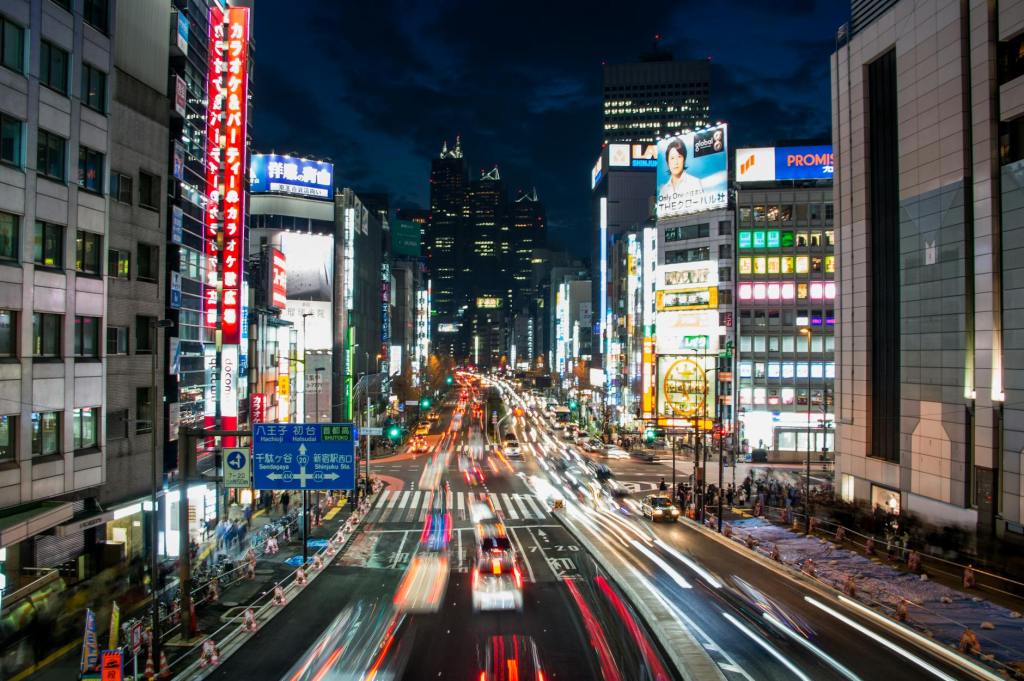
In Asia, Japan stands out with its unique blend of tradition and modernity, appealing to tourists seeking both cultural experiences and luxury shopping. Tokyo’s Ginza district, known for its upscale boutiques and flagship stores of global luxury brands, is a prime example. Japan welcomed over 31 million tourists in 2019, contributing to a luxury market size of approximately ¥3.6 trillion. Brands like Louis Vuitton, Dior, and Rolex have a significant presence in Japan, with tourists from China being some of the biggest spenders, driven by the favorable exchange rates and tax-free shopping options.
The UAE, particularly Dubai, has transformed itself into a luxury shopping haven. The Dubai Mall, one of the largest shopping centers globally, houses numerous luxury brands and attracts millions of visitors. In 2019, Dubai welcomed over 16 million tourists, significantly boosting its luxury market, which is valued at around AED 27 billion. The strategic positioning of luxury brands in such high-footfall areas enhances their visibility and appeal, driving both sales and brand equity.
The effect of this dynamic is not one-sided. Countries that are popular tourist destinations benefit economically from the presence of luxury brands. Tourism and luxury shopping contribute significantly to their GDP. For instance, in France, tourism accounts for about 7.4% of the GDP, with luxury shopping being a major component. This economic boost is also evident in job creation, infrastructure development, and increased international trade. Moreover, the presence of renowned luxury brands enhances the country’s global image, attracting more tourists and fostering a cycle of growth and prosperity.
The impact on the global market and general customer market is multifaceted. The increasing presence of luxury brands in tourist hotspots has led to a shift in consumer behavior. Tourists are increasingly planning their trips around shopping experiences, with luxury shopping becoming a key part of their travel itinerary. This trend is supported by data from the Global Blue, which reported that 55% of Chinese tourists’ expenditure abroad in 2019 was on shopping, particularly luxury goods.
Furthermore, the global luxury market has seen significant growth, with projections estimating it to reach $382 billion by 2025. This growth is fueled by the rising middle class and affluent consumers in emerging markets, who view luxury products as status symbols and are willing to travel to acquire them. The digital transformation has also played a crucial role, with luxury brands investing in online platforms and personalized shopping experiences to cater to the global clientele.
From a broader perspective, the rise of luxury shopping in tourist destinations reflects broader economic and cultural shifts. It highlights the increasing importance of experiential luxury, where consumers value not just the product but the entire shopping experience. This trend is particularly evident in the millennial and Gen Z demographics, who prioritize experiences over possessions. Brands like Louis Vuitton and Gucci have tapped into this by creating immersive retail environments and exclusive in-store experiences that resonate with these younger consumers.
Moreover, the luxury market’s growth in tourist destinations underscores the globalization of consumer culture. Luxury brands are no longer confined to their home markets but have become global entities with a presence in major tourist hubs worldwide. This globalization has led to a homogenization of luxury standards, where consumers expect a consistent level of quality and service regardless of the location. This expectation has pushed brands to maintain high standards and innovate continually to meet the diverse needs of their global clientele.
The intertwining of luxury brands and tourism is a testament to the evolving nature of global commerce. As more people travel and seek out luxury experiences, brands must adapt to cater to this mobile and discerning customer base. This adaptation involves not only expanding their physical presence in key tourist destinations but also leveraging digital technologies to offer seamless and personalized shopping experiences.
The growth of luxury brands in countries with high tourist influx is a dynamic and mutually beneficial relationship. It drives economic growth, enhances brand visibility, and transforms consumer behaviors on a global scale. As the luxury market continues to expand, both brands and countries must navigate this complex landscape, balancing the demands of an increasingly global and diverse customer base. The future of luxury lies in its ability to adapt and innovate, ensuring that it remains synonymous with exclusivity, quality, and unparalleled experiences, no matter where in the world it is found.
How luxury brand in Europe are relying on the tourist arrival to keep boosting on sales?
Luxury brands in Europe have long been synonymous with sophistication, exclusivity, and unparalleled craftsmanship. From the cobbled streets of Paris to the fashion capitals of Milan and the bustling hubs of London, these brands have created an aura of desire that transcends borders. In recent years, the reliance on tourist arrivals to sustain and boost sales has become a defining trend. This reliance on global tourists, particularly from Asia and North America, has had significant implications not only for the European market but also for the global luxury market.
The trend of tourists fueling luxury brand sales in Europe can be traced back to several factors. Firstly, European cities have historically been top destinations for affluent travelers seeking the pinnacle of culture, art, and fashion. Paris, for instance, is home to flagship stores of brands like Louis Vuitton, Chanel, and Hermès, which draw millions of visitors annually. The presence of iconic landmarks and cultural institutions adds to the allure, making shopping a key part of the tourist experience.
Statistics highlight the importance of tourism to the luxury sector. According to Bain & Company, tourist spending accounted for approximately 30% to 40% of total luxury goods sales in Europe before the COVID-19 pandemic. Chinese tourists, in particular, have been pivotal, contributing to nearly one-third of luxury sales in the region. Their penchant for high-end fashion, jewelry, and accessories has driven the expansion of flagship stores and exclusive boutiques in major European cities.
The COVID-19 pandemic, however, brought unprecedented challenges. Lockdowns, travel restrictions, and a steep decline in international travel led to a significant drop in tourist arrivals. The impact was immediate and profound. Luxury brands, heavily reliant on tourist spending, faced a sharp decline in sales. Data from the European Travel Commission indicated that international tourist arrivals in Europe plummeted by 70% in 2020. This contraction underscored the vulnerability of luxury brands to global travel trends.
Despite these challenges, the luxury sector has demonstrated remarkable resilience. Brands have adapted by enhancing their digital presence, investing in e-commerce platforms, and targeting local customers. However, the return of international tourists remains a crucial factor for a full recovery. Recent data shows a gradual rebound in travel, with international arrivals in Europe increasing by 18% in 2022 compared to the previous year. This positive trend is expected to continue as travel restrictions ease and consumer confidence returns.
The impact of tourist-driven sales extends beyond Europe, influencing the global luxury market. The interconnected nature of the luxury industry means that trends in Europe often set the tone for the rest of the world. For instance, the popularity of European luxury brands among tourists has led to increased brand visibility and desirability in their home countries. Chinese tourists, upon returning home, often create a ripple effect by boosting demand for the same brands they encountered abroad. This phenomenon has contributed to the global expansion of European luxury brands, with many opening new stores and increasing their presence in key markets such as China, Japan, and the United States.
The reliance on tourists has also shaped the strategies of luxury brands. To cater to international clientele, many brands have focused on creating unique and immersive shopping experiences. Flagship stores in cities like Paris and Milan are designed to be more than just retail spaces; they are experiential destinations. Louis Vuitton’s Champs-Élysées store, for instance, features an art gallery and a café, offering a holistic luxury experience that appeals to discerning travelers. Similarly, Gucci’s concept store in Florence combines retail with art exhibitions, enhancing its appeal to tourists seeking cultural enrichment alongside shopping.
In recent years, the rise of experiential luxury has become a notable trend. Tourists are increasingly seeking personalized and unique experiences that go beyond mere product acquisition. Brands have responded by offering bespoke services, customization options, and exclusive events. For example, Chanel offers private appointments and personalized fittings, while Hermès provides workshops where customers can learn about the craftsmanship behind their products. These initiatives not only enhance customer satisfaction but also foster brand loyalty and advocacy.
The impact of tourist-driven sales on the general world customer market is multifaceted. On one hand, the influx of tourists boosts local economies and supports employment in the retail and hospitality sectors. Luxury shopping districts in cities like Paris, Milan, and London benefit from the spending power of international visitors, contributing to economic growth. On the other hand, the focus on tourists can sometimes lead to price inflation and exclusivity, making luxury goods less accessible to local customers. This dynamic creates a delicate balance for brands, which must cater to both affluent tourists and local clientele.
Moreover, the reliance on tourists has implications for sustainability and ethical practices. The demand for luxury goods often leads to increased production and resource consumption. To address these concerns, many brands are adopting sustainable practices and promoting ethical sourcing. For instance, Kering, the parent company of Gucci and Saint Laurent, has committed to achieving full carbon neutrality and implementing sustainable practices across its supply chain. These efforts resonate with socially conscious consumers and enhance the brand’s reputation globally.
The reliance of European luxury brands on tourist arrivals to boost sales is a defining trend with far-reaching implications. The symbiotic relationship between tourism and luxury retail drives economic growth, shapes brand strategies, and influences global market dynamics. Despite the challenges posed by the COVID-19 pandemic, the resilience and adaptability of the luxury sector are evident. As international travel continues to recover, the role of tourists in sustaining and enhancing luxury sales in Europe will remain pivotal. The interplay between experiential luxury, digital innovation, and sustainability will shape the future of the industry, ensuring that European luxury brands continue to captivate and inspire consumers worldwide.
How luxury brand are into tourism industry and hospitality as well in recent time?
The convergence of luxury brands into the tourism and hospitality industry has become a significant trend in recent years. This movement is characterized by high-end fashion houses, elite automobile manufacturers, and prestigious jewelry companies venturing beyond their traditional domains to offer unique, opulent experiences in travel and accommodation. The trend not only reflects a strategic expansion but also meets an increasing consumer demand for immersive, brand-driven experiences that resonate with their lifestyle and aspirations.
The luxury tourism and hospitality sector is burgeoning. According to a report by Allied Market Research, the global luxury travel market is expected to reach $1,614 billion by 2026, growing at a compound annual growth rate (CAGR) of 6.3% from 2019. This growth is propelled by a rising number of high-net-worth individuals (HNWIs), increasing disposable incomes, and a growing desire for exclusive and personalized experiences. Luxury brands, known for their commitment to quality and exclusivity, are perfectly positioned to capitalize on these trends.
Several notable luxury brands have made significant inroads into the tourism and hospitality sector. One prime example is the Italian fashion house, Bulgari. Bulgari Hotels & Resorts, a partnership between Bulgari and Marriott International, has opened properties in some of the world’s most desirable locations, including Milan, Bali, London, Beijing, Dubai, and Shanghai. These hotels embody Bulgari’s distinctive style, blending contemporary luxury with cultural richness, and have set new standards in the luxury hospitality market.
Similarly, the iconic French fashion brand, Louis Vuitton, part of the LVMH conglomerate, has expanded its presence in the travel sector. Through its acquisition of the Belmond group, which operates luxury hotels, trains, and river cruises worldwide, Louis Vuitton has leveraged its brand prestige to offer extraordinary travel experiences. Belmond properties, such as the Venice Simplon-Orient-Express and the Copacabana Palace in Rio de Janeiro, epitomize luxury travel, combining historic charm with modern elegance.
In the automobile sector, brands like Porsche and Aston Martin have ventured into luxury real estate and hospitality. Porsche has developed exclusive residential towers in Miami, featuring high-end amenities and a patented car elevator system that allows residents to park their vehicles in their living rooms. Aston Martin, known for its sleek sports cars, has partnered with renowned property developers to create luxury residences, such as the Aston Martin Residences in Miami, which offer stunning design and unparalleled views.
The integration of luxury brands into tourism and hospitality has had a profound impact on the global market. For consumers, this trend provides an opportunity to engage with their favorite brands in new and exciting ways. Instead of merely purchasing a product, they can immerse themselves in a brand’s ethos through curated experiences that reflect the brand’s values and aesthetics. This enhances brand loyalty and creates lasting memories, further strengthening the emotional connection between the brand and its customers.
From a market perspective, the entry of luxury brands into the tourism and hospitality sector has driven innovation and elevated standards across the industry. These brands bring their expertise in craftsmanship, design, and service excellence to their hospitality ventures, setting new benchmarks for quality and exclusivity. This has prompted other players in the market to up their game, leading to overall improvements in service standards and customer satisfaction.
Moreover, luxury brands’ investments in the tourism and hospitality industry have significant economic implications. These ventures often involve substantial capital investments in real estate and infrastructure, creating jobs and stimulating local economies. For instance, the development of a luxury hotel or resort can lead to increased tourism, which boosts spending in the local economy and supports various ancillary businesses, from restaurants to tour operators.
The impact of this trend extends to the global tourism market, where luxury travel is becoming increasingly popular. According to a report by Skift, luxury travel accounted for nearly 7% of the $1.4 trillion global travel market in 2019 and is one of the fastest-growing segments. This growth is driven by affluent travelers from emerging markets, particularly in Asia, who are seeking unique and exclusive experiences. Luxury brands, with their established reputations and global reach, are well-positioned to cater to this demand.
The recent global events, such as the COVID-19 pandemic, have also influenced the luxury tourism and hospitality sector. The pandemic has underscored the importance of safety, privacy, and personalization in travel. Luxury brands have responded by emphasizing private and bespoke experiences, such as private villas, chartered yachts, and exclusive tours, which minimize exposure to crowds and offer a high degree of customization. This shift aligns with the broader trend towards experiential travel, where travelers seek meaningful and personalized experiences over material possessions.
The foray of luxury brands into the tourism and hospitality industry represents a dynamic and mutually beneficial convergence. It allows luxury brands to diversify their portfolios and strengthen their connection with consumers, while offering travelers unparalleled experiences that combine luxury, exclusivity, and personalization. The trend is reshaping the global tourism market, driving innovation, and setting new standards for quality and service. As the market continues to grow, with an increasing number of affluent travelers seeking unique experiences, luxury brands are well-positioned to lead the way, transforming the landscape of travel and hospitality in the process.
How luxury brand can actively involved in sponsorship and cultural investment to enhance tourist experience?
In recent years, luxury brands have increasingly recognized the value of engaging in sponsorship and cultural investment to enhance the tourist experience. This trend, driven by the desire to strengthen brand loyalty and reach new audiences, has had a profound impact on the global market. By investing in cultural events, art exhibitions, and local traditions, luxury brands not only elevate the tourist experience but also solidify their presence in key markets, driving growth and increasing their market share.
Luxury brands such as Louis Vuitton, Gucci, and Rolex have long understood the importance of aligning their image with cultural sophistication and exclusivity. This alignment is achieved through strategic sponsorships and investments in cultural landmarks and events. For instance, Louis Vuitton’s partnership with the Louvre Museum in Paris exemplifies how a luxury brand can enhance its prestige by associating with an iconic cultural institution. Such partnerships do more than just boost the brand’s image; they also attract tourists to these cultural sites, offering them a richer, more immersive experience.
The global luxury market is substantial, with Statista estimating its value at approximately $349 billion in 2021. This market is poised for growth, driven by rising disposable incomes and a growing middle class, particularly in emerging economies. Sponsorship and cultural investment are crucial strategies for luxury brands looking to tap into this expanding market. By funding art exhibitions, music festivals, and historical preservation projects, luxury brands not only enhance the local culture but also create a memorable experience for tourists, encouraging repeat visits and brand loyalty.
A notable example of this trend is Gucci’s investment in the restoration of historic sites. In 2019, Gucci funded the restoration of the historic Rupe Tarpea in Rome, a project that not only preserved a significant cultural landmark but also attracted global media attention. Such initiatives demonstrate a brand’s commitment to cultural heritage, resonating with both local communities and international tourists. This approach enhances the tourist experience by ensuring that cultural sites remain vibrant and accessible, enriching the overall travel experience.
Moreover, these cultural investments often have a multiplier effect on the local economy. According to a report by the European Travel Commission, every euro invested in cultural tourism generates an additional 1.2 euros in the local economy. This economic impact is significant, as it not only supports local businesses but also creates jobs and stimulates further investment in the region. For luxury brands, this means that their cultural sponsorships not only boost their own image but also contribute to the economic vitality of the regions they invest in.
The impact on the global market is equally profound. As luxury brands expand their cultural investments, they help to promote cultural exchange and understanding. This global cultural engagement fosters a sense of interconnectedness and appreciation for diverse cultural heritages. For example, Chanel’s sponsorship of the Paris Opera Ballet not only supports the arts but also attracts tourists from around the world, enhancing their cultural experience in Paris. Such initiatives help to position luxury brands as global ambassadors of culture and sophistication, appealing to a diverse and discerning customer base.
From a consumer perspective, these cultural sponsorships and investments add significant value to the luxury experience. Today’s consumers are not just looking for products; they are seeking experiences and stories that resonate with their values and aspirations. A study by Bain & Company highlighted that 60% of luxury consumers are millennials and Gen Z, who prioritize experiences over material possessions. By investing in cultural events and preservation, luxury brands can connect with these younger consumers on a deeper level, offering them unique and meaningful experiences that align with their lifestyle and values.
Furthermore, these investments help to differentiate luxury brands in a competitive market. With the rise of digital technology and social media, consumers are bombarded with marketing messages and choices. In this environment, brands that offer unique cultural experiences stand out and create lasting impressions. For instance, Cartier’s sponsorship of the Venice Biennale, one of the most prestigious art events in the world, positions the brand as a patron of the arts, attracting art enthusiasts and tourists alike.
In recent times, the trend of luxury brands investing in cultural sponsorships has been bolstered by high-profile events and partnerships. For example, the collaboration between Dior and the Guggenheim Museum in New York has brought together fashion and contemporary art, creating a unique cultural experience for visitors. This partnership not only showcases Dior’s commitment to the arts but also enhances the museum’s appeal to a global audience, driving tourist engagement and visitation.
The global customer market has responded positively to these initiatives, as evidenced by the increasing number of tourists visiting cultural sites sponsored by luxury brands. According to a report by the World Tourism Organization, cultural tourism accounts for 40% of all international tourism. This statistic underscores the importance of cultural investments in attracting tourists and enhancing their travel experience. Luxury brands that recognize and capitalize on this trend are well-positioned to capture a larger share of the growing tourism market.
The active involvement of luxury brands in sponsorship and cultural investment plays a pivotal role in enhancing the tourist experience. By aligning themselves with cultural landmarks and events, luxury brands not only elevate their image but also contribute to the preservation and promotion of cultural heritage. This strategy has a significant impact on the global market, driving economic growth, fostering cultural exchange, and attracting a diverse customer base. For consumers, these investments add value to the luxury experience, offering them unique and meaningful cultural engagements. As the trend continues to grow, luxury brands that prioritize cultural sponsorships and investments will continue to thrive, shaping the future of the global luxury market.
How by investing in tourist rich countries, luxury brand are able to attract more foreign tourist and boosting local economy development?
Investing in tourist-rich countries has become a strategic move for luxury brands seeking to attract more foreign tourists and boost local economic development. This approach not only enhances the brand’s global presence but also stimulates economic growth in the host country, creating a symbiotic relationship that benefits both parties.
Luxury brands are increasingly recognizing the importance of establishing a presence in popular tourist destinations. By investing in high-end retail spaces, exclusive resorts, and luxury experiences in these areas, they are able to tap into a steady stream of affluent tourists looking to indulge in unique and opulent experiences. For instance, Louis Vuitton, one of the most iconic luxury brands, has opened stores in major tourist hubs such as Paris, Tokyo, and Dubai. These locations are not chosen at random; they are carefully selected based on the influx of tourists and the spending power of these visitors.
The numbers speak for themselves. According to the World Travel & Tourism Council (WTTC), global tourism generated $8.9 trillion in 2019, accounting for 10.3% of the global GDP. This demonstrates the significant economic impact of tourism and the potential for luxury brands to tap into this market. By investing in tourist-rich countries, luxury brands can capture a portion of this spending, driving sales and increasing their market share.
One notable trend is the increasing number of Chinese tourists traveling abroad. In 2019, China was the leading source of outbound tourists, with 155 million trips made by Chinese travelers. This presents a huge opportunity for luxury brands, as Chinese tourists are known for their high spending on luxury goods. In response, brands such as Chanel, Gucci, and Prada have expanded their presence in cities frequented by Chinese tourists, including Paris, Milan, and New York. By catering to this demographic, luxury brands can significantly boost their sales and brand loyalty.
Investing in tourist-rich countries also has a positive impact on local economic development. When luxury brands establish a presence in these areas, they create jobs and stimulate the local economy. For example, the opening of a luxury hotel or a high-end retail store generates employment opportunities for locals, from construction workers to sales associates. Additionally, these investments attract other businesses and tourists, further boosting economic growth.
The impact of these investments extends beyond the host country. The presence of luxury brands in popular tourist destinations enhances their global visibility and prestige. This, in turn, attracts more tourists to these locations, creating a virtuous cycle of growth and investment. For example, the opening of a luxury resort in the Maldives not only boosts the local economy but also increases the island nation’s appeal as a high-end travel destination. This attracts more tourists, leading to further investments and economic growth.
In recent years, there has been a noticeable shift in the luxury market, with brands placing a greater emphasis on experiential luxury. This trend is driven by the changing preferences of consumers, who are increasingly seeking unique and memorable experiences rather than material possessions. By investing in tourist-rich countries, luxury brands can offer exclusive experiences that cater to this demand. For instance, Hermès offers private tours of its workshops in Paris, allowing tourists to witness the craftsmanship behind their products. Similarly, Burberry has opened a flagship store in London that features an immersive digital experience, attracting tech-savvy tourists.
The impact of these investments is not limited to the luxury sector. The influx of tourists and the economic growth generated by these investments benefit other industries as well. For example, the hospitality industry sees an increase in demand for high-end accommodations, while the food and beverage industry experiences a boost in sales from tourists dining at luxury restaurants. Additionally, local artisans and craftsmen benefit from the increased demand for unique and authentic souvenirs.
The global market for luxury goods is substantial, with the market size estimated to reach $382 billion by 2025, according to Bain & Company. This growth is driven by the increasing number of affluent consumers and the rising demand for luxury experiences. By investing in tourist-rich countries, luxury brands can tap into this growing market and attract more foreign tourists. This not only boosts their sales but also enhances their brand image and reputation.
For the general world customer market, the investments by luxury brands in tourist-rich countries offer a wider range of options and experiences. Tourists can indulge in high-end shopping, dining, and accommodations, creating memorable experiences that they can share with others. This, in turn, enhances the overall travel experience and encourages more people to visit these destinations.
In recent times, several luxury brands have made headlines with their strategic investments in tourist-rich countries. For example, Dior opened a flagship store in Tokyo’s upscale Ginza district, attracting affluent tourists from around the world. Similarly, Tiffany & Co. unveiled a stunning new store in Sydney, catering to the growing number of tourists visiting Australia. These investments not only boost the local economy but also enhance the brand’s global presence.
By investing in tourist-rich countries, luxury brands are able to attract more foreign tourists and boost local economic development. This approach leverages the spending power of affluent tourists and stimulates economic growth in the host country. The trend of experiential luxury and the increasing number of affluent consumers present significant opportunities for luxury brands to expand their market and enhance their brand image. The impact of these investments extends beyond the luxury sector, benefiting other industries and enhancing the overall travel experience for tourists. With the global market for luxury goods projected to grow, investing in tourist-rich countries will continue to be a strategic move for luxury brands seeking to attract more foreign tourists and boost local economic development.
Why should you ship with SindoShipping and how is our company able to help you and your business to ship your goods and products to Indonesia?
Our company vision is to help companies around the world to be able to export their products to Indonesia with ease and expand their market worldwide especially in South East Asia as Indonesia is the leading internet market and largest economy around the region and to help ease the process of importation to the country and we want to help millions of Indonesian to access products worldwide with effective shipping system.
With the proper documentation and brokerage, we are able to help our customers ship a few categories of goods which have limited restrictions to Indonesia without any hassle to the customers address directly as we understand the process and the regulation of the imports including the taxation process of imports.
SindoShipping specialized in electronics, high tech products, cosmetics, luxury branded, toys, supplement and vitamins, fashion, bags and shoes, and traditional medicine shipping to Indonesia since 2014 with the top accuracy of shipment service and the live tracking available during the cross border shipment so the customer can feel safe and secure about their shipping. Contact us now for further details





 SindoShipping