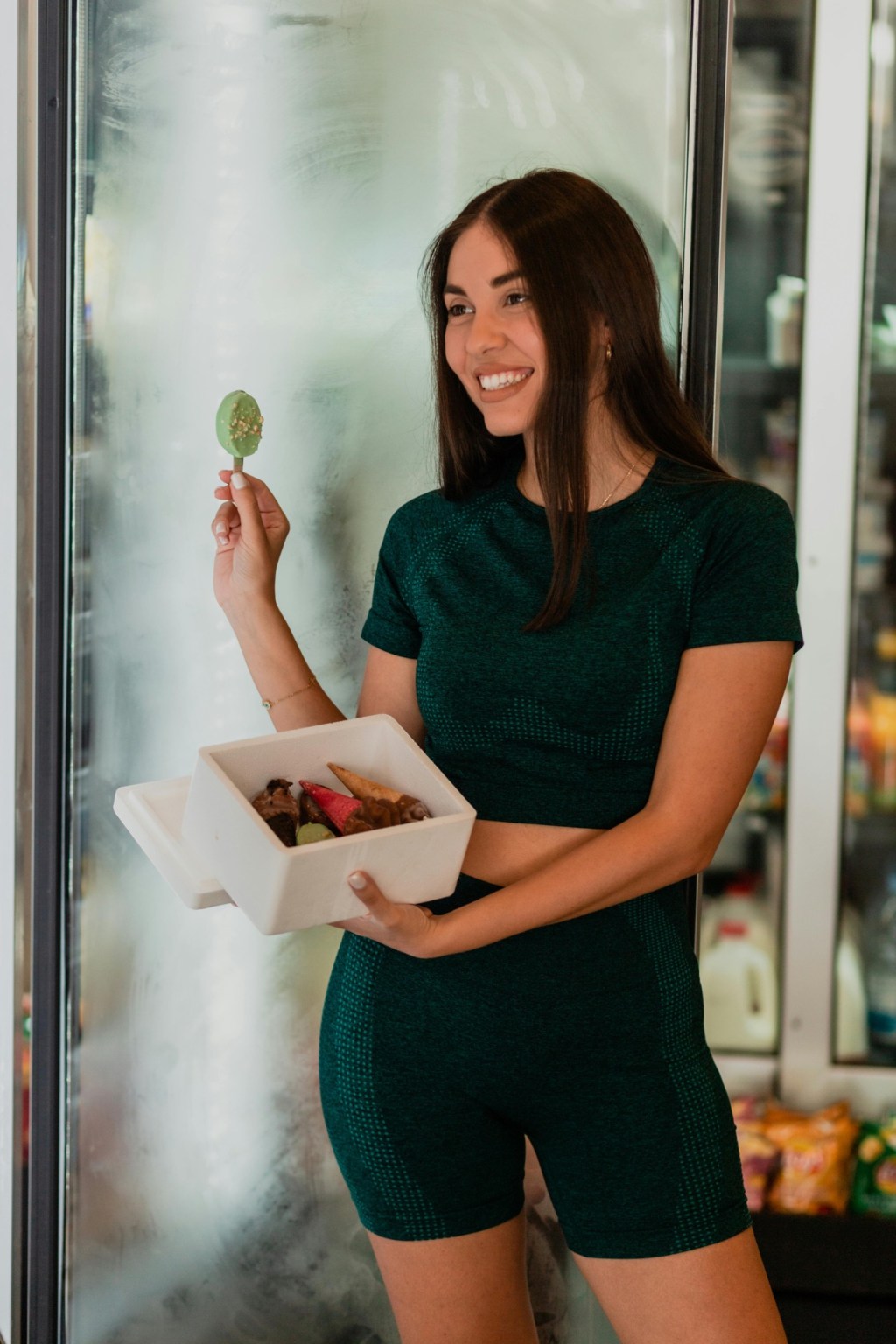
The streets of Jakarta are buzzing, not just with the usual traffic but with a new kind of energy—one fueled by yoga pants, sleek sneakers, and the unstoppable rise of athleisure. What started as a global trend has now firmly planted its roots in Indonesia, and resellers are riding the wave like never before. From TikTok Shop hustles to dropshipping empires, the demand for brands like Lululemon, Nike, and Alo Yoga is rewriting the rules of retail. But what’s really driving this shift, and how are savvy resellers capitalizing on it?
The Athleisure Boom: More Than Just Comfort
Athleisure isn’t just a fashion statement anymore—it’s a lifestyle. In Indonesia, where urban millennials and Gen Z are increasingly health-conscious and style-savvy, the blend of performance and aesthetics has turned activewear into everyday wear. The local sportswear market is projected to hit $1.3 billion by 2025, with imported brands leading the charge. Why? Because when it comes to leggings that stay put during a HIIT session or a brunch date, consumers are willing to pay a premium for trusted global names.
Resellers have noticed. Social commerce platforms like TikTok Shop and Instagram Live are flooded with imported athleisure, often priced higher than local alternatives but selling out faster. A quick scroll reveals dozens of small-scale sellers offering Lululemon dupes or authentic pieces sourced through overseas suppliers. The appeal is clear: imported brands carry prestige, perceived quality, and that irresistible “global” cachet.
Micro-Parcels and the TikTok Shop Gold Rush
One of the biggest game-changers for resellers? The explosion of micro-parcel demand. Gone are the days when bulk orders were the only way to make a profit. Today, platforms like TikTok Shop and dropshipping models thrive on small, frequent shipments—single leggings, matching sets, or even just sports bras.
Why does this work? Because ultra-lightweight shipping has leveled the playing field. With logistics providers offering same-day delivery and competitive rates for small packages, resellers can test new products without massive upfront costs. A single viral TikTok video can turn a niche item into an overnight bestseller, and lightweight shipping means resellers can pivot quickly, capitalizing on trends before they fade.
Data from the Indonesian E-Commerce Association shows that social commerce now accounts for nearly 30% of online retail transactions, with fashion and lifestyle products leading sales. For athleisure resellers, this means lower risk, faster turnover, and the ability to cater to impulse buyers who want their workout gear now.
Why Imported Brands Outshine Local Alternatives
Walk into any upscale gym in Jakarta or Bali, and you’ll spot the same thing: Lululemon logos, Nike swooshes, and Adidas stripes. While local brands like Eiger or Fila Indonesia have their loyal followings, imported athleisure dominates the premium segment. A recent survey found that 62% of Indonesian consumers prefer international sportswear brands, citing better fit, durability, and brand reputation.
Resellers know this, which is why many focus on securing authentic imports—whether through direct sourcing, overseas suppliers, or even pre-order models. The challenge? Competition is fierce, and customers are becoming more discerning. Authenticity matters, and resellers who can guarantee real products (not just convincing replicas) build trust—and repeat buyers.
The Future: Tech, Sustainability, and Smarter Selling
The reseller market isn’t just growing; it’s evolving. Tech-savvy sellers are using AI tools for inventory management, chatbots for customer service, and AR try-on features to boost sales. Sustainability is also creeping into the conversation—brands like Lululemon now promote eco-friendly fabrics, and resellers who highlight these features attract environmentally conscious shoppers.
Then there’s the logistics revolution. Same-day delivery isn’t a luxury anymore; it’s an expectation. Companies like JNE and SiCepat have optimized last-mile delivery, making it easier for resellers to promise (and deliver) speed. For those importing goods, freight forwarders now offer consolidation services, reducing shipping costs and wait times—key factors in keeping customers happy.
The Big Takeaway: Adapt or Get Left Behind
The athleisure wave isn’t slowing down, and neither is Indonesia’s reseller boom. But success isn’t just about jumping on the trend—it’s about understanding what customers want, leveraging tech, and mastering logistics.
For resellers, this means:
- Prioritizing imported brands (but ensuring authenticity).
- Embracing micro-parcels to stay agile.
- Using tech to streamline operations and enhance customer experience.
The numbers don’t lie: Indonesia’s e-commerce market is set to double by 2030, and athleisure will be a major driver. For those willing to adapt, the opportunities are endless. The question is—are you ready to ride the wave?
How Dropshipping and E-Commerce Are Reshaping Indonesia’s Athleisure Market
There’s a quiet revolution happening in Indonesia’s fashion scene, and it’s being powered by two unstoppable forces: dropshipping and e-commerce. What was once a market dominated by brick-and-mortar stores and bulk imports has now shifted to a fast-paced, digital-first economy where a single viral TikTok post can send a shipment of Lululemon leggings or Nike sports bras flying off virtual shelves. The athleisure boom isn’t just changing what Indonesians wear—it’s transforming how they shop, who they buy from, and even how products make their way from global warehouses to local doorsteps.
The Dropshipping Boom: No Inventory, No Problem
A few years ago, starting a retail business meant renting a shop, stocking up on inventory, and crossing your fingers that customers would walk in. Today? All you need is a smartphone and a supplier. Dropshipping has turned anyone with an Instagram account or a TikTok Shop into a potential retailer, and athleisure is one of the hottest categories riding this wave.
Why? Because imported activewear sells itself. Brands like Lululemon, Gymshark, and Alo Yoga carry a prestige that local brands struggle to match. Indonesian consumers, especially young urbanites, are willing to pay a premium for global labels—62% prefer imported sportswear, according to a recent survey. Dropshippers capitalize on this by sourcing directly from overseas suppliers, listing products online, and only purchasing inventory once an order is placed. No upfront costs, no unsold stock—just pure, low-risk profit.
Platforms like TikTok Shop and Shopee have supercharged this model. With social commerce now making up nearly 30% of Indonesia’s e-commerce transactions, resellers can test products, gauge demand, and scale up—all without ever touching the merchandise.
Micro-Parcels: The Secret Weapon of Modern Resellers
The old way of importing goods involved shipping containers, hefty customs fees, and months of waiting. But today’s resellers operate on a different scale—one parcel at a time. Thanks to ultra-lightweight shipping options and same-day delivery services, micro-parcels have become the backbone of Indonesia’s dropshipping boom.
A single order of leggings or a matching workout set can now be shipped directly from China or the US to a customer’s doorstep in Jakarta within days. Logistics providers like J&T and SiCepat have optimized last-mile delivery, making it cheaper and faster than ever. For resellers, this means they can offer a wider variety of products without committing to bulk purchases. If a style flops? No problem—just pivot to the next trending item.
This agility is why TikTok Shop has become a goldmine for athleisure resellers. A viral video featuring a flattering pair of yoga pants can generate hundreds of orders overnight, and lightweight shipping ensures those orders are fulfilled seamlessly. In 2023 alone, Indonesia’s cross-border e-commerce market grew by 28%, with fashion and lifestyle products leading the charge.
Why Imported Athleisure Still Reigns Supreme
Walk into any fitness studio in Bali or a high-end gym in Jakarta, and you’ll see the same thing: a sea of international labels. While local brands like Eiger and Fila Indonesia have their place, they often can’t compete with the allure of global names. Consumers associate imported athleisure with better quality, trendier designs, and higher status—and they’re willing to wait (and pay) for it.
Dropshippers know this, which is why many focus exclusively on foreign brands. Some even use pre-order models, letting customers secure limited-edition items before they even hit the market. The key to success? Authenticity. With so many replicas floating around, buyers are becoming savvier. Resellers who can prove their products are genuine—through unboxing videos, supplier transparency, or authenticity guarantees—build trust and loyalty.
The Future: Faster, Smarter, More Sustainable
As the market matures, resellers who want to stay ahead are embracing tech and sustainability. AI-powered tools now help with everything from inventory forecasting to personalized marketing, while chatbots handle customer inquiries 24/7. Some sellers are even experimenting with AR try-on features, letting shoppers visualize how those Alo Yoga leggings will look before they buy.
Sustainability is also creeping into the conversation. Brands like Lululemon and Adidas are pushing eco-friendly fabrics, and resellers who highlight these features attract conscious consumers. A 2024 report found that 45% of Indonesian shoppers prefer brands with sustainable practices—a number that’s only growing.
Then there’s logistics. Same-day delivery is no longer a luxury—it’s an expectation. Companies like Ninja Van and GrabExpress have made lightning-fast shipping the norm, and resellers who can’t keep up risk losing customers. For those importing goods, freight forwarders now offer consolidation services, slashing shipping costs and wait times.
The Big Takeaway: Adapt or Miss Out
The athleisure market in Indonesia isn’t just growing—it’s evolving at breakneck speed. Dropshipping and e-commerce have removed the barriers to entry, allowing anyone with hustle and a good eye for trends to carve out a profitable niche. But success isn’t guaranteed. The winners will be those who:
- Leverage social commerce (TikTok Shop, Instagram Live) to tap into impulse buyers.
- Master micro-parcel logistics to keep costs low and delivery times fast.
- Prioritize authenticity and sustainability to build long-term customer trust.
With Indonesia’s e-commerce market projected to double by 2030, the opportunities are massive. The question is—are you ready to seize them?
The Quiet Revolution: How Athleisure is Ditching Plastic for a Greener Future
There’s a shift happening in your yoga pants. That buttery-soft fabric hugging your curves during downward dog? It might not be what you think. For years, athleisure relied on synthetic materials—polyester, nylon, spandex—all derived from plastic. But today, a growing wave of brands and consumers are saying no to petroleum-based fabrics and yes to something better.
The change isn’t just about saving the planet (though that’s a big part of it). It’s about how we shop, what we demand, and why the future of fitness fashion looks nothing like the past.
The Problem with Plastic Threads
Let’s be real: synthetic fabrics revolutionized activewear. They made leggings stretchy, sweat-wicking, and affordable. But here’s the catch—every time you wash them, they shed microplastics, tiny plastic particles that end up in oceans and, eventually, our food chain. A single load of laundry can release hundreds of thousands of these invisible pollutants.
Consumers are waking up to this. A 2023 survey found that 68% of Indonesian shoppers now consider sustainability when buying activewear, with Gen Z leading the charge. They want performance without the guilt, and brands are scrambling to keep up.
The Rise of Plastic-Free Alternatives
Enter plant-based and recycled fabrics. Materials like Tencel (made from eucalyptus), organic cotton, and even bamboo are stepping into the spotlight. These fibers breathe better, biodegrade naturally, and—crucially—don’t shed microplastics.
But the real game-changer? Recycled synthetics. Brands like Patagonia and Girlfriend Collective are turning plastic bottles into high-performance leggings and sports bras. It’s a clever fix: divert waste from landfills, reduce the need for new plastic, and still deliver the stretch and durability athletes love. The global recycled polyester market is expected to hit $10.2 billion by 2027, proving that sustainability sells.
Why Resellers Are Pivoting to Green
Here’s where it gets interesting for Indonesia’s booming reseller market. Dropshippers and TikTok Shop vendors once relied on cheap, mass-produced synthetic activewear. But now, eco-conscious shoppers are driving demand for greener options—and resellers are adapting fast.
Micro-parcel shipping makes this shift easier. Lightweight, sustainable fabrics often ship more efficiently than bulkier traditional materials. Plus, with platforms like TikTok Shop favoring viral, trend-driven products, eco-friendly athleisure has become a hot category. A viral post about “plastic-free leggings” can sell out a supplier’s stock in hours, proving that sustainability isn’t just ethical—it’s profitable.
The Local vs. Imported Shift
Indonesia’s love for imported athleisure isn’t fading, but the criteria are changing. While global brands like Lululemon and Nike still dominate, shoppers now scrutinize labels for sustainable certifications (like Bluesign or OEKO-TEX). Resellers who stock these verified products gain an edge, especially among younger buyers willing to pay extra for green credentials.
Local brands aren’t sitting idle. Companies like Sejauh Mata Memandang are blending traditional Indonesian textiles with eco-friendly fabrics, offering a unique alternative to imports. But for now, imported sustainable activewear still holds the prestige, with resellers capitalizing on its aspirational appeal.
Tech and the Future of Clean Activewear
Innovation is accelerating the plastic-free movement. AI-powered fabric development is creating new materials—like mushroom leather and algae-based dyes—faster than ever. Some brands are even using blockchain to trace a garment’s entire lifecycle, so shoppers know exactly what they’re buying.
Logistics are getting greener too. Companies like SiCepat and JNE are introducing carbon-neutral shipping options, aligning with the values of eco-conscious consumers. For resellers, this means offering sustainability at every touchpoint, from product to delivery, isn’t just nice—it’s necessary to stay competitive.
The Bottom Line: Change is Here
The days of plastic-heavy activewear are numbered. Between consumer demand, reseller adaptability, and tech breakthroughs, the athleisure industry is undergoing its most significant transformation yet.
For shoppers, it means better choices. For resellers, it’s a golden opportunity to lead rather than follow. And for the planet? It’s a step toward cleaner oceans and a lighter footprint—one pair of bamboo leggings at a time.
The question isn’t whether you’ll join this shift—it’s how fast you’ll move. Because in the new world of athleisure, plastic is out, and the future is wearing green.



 SindoShipping