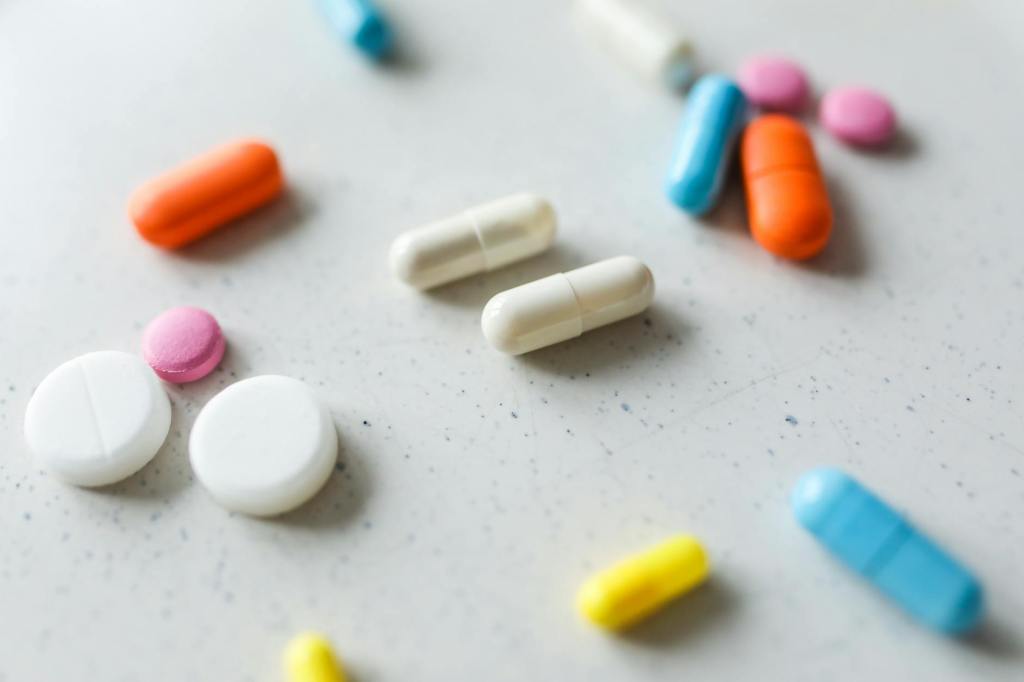
In the growing landscape of health-conscious living and digital commerce, iHerb has emerged as a transformative platform for Indonesian SMEs and resellers, enabling them to access affordable, high-quality vitamins and supplements from international markets with unprecedented ease. As the health product industry in Indonesia surges—estimated to exceed IDR 20 trillion in value—the need for reliable and economical supply chains has never been greater. For many small businesses and resellers, iHerb serves as the vital bridge between the demand for wellness products and a cost-effective way to fulfill it.
What makes iHerb particularly impactful is its direct-to-consumer pricing model, which eliminates traditional retail markups and distributor layers. For Indonesian resellers and SMEs, this translates to lower procurement costs, typically 30–50% cheaper compared to local wholesale markets. The affordability factor is crucial in a price-sensitive market like Indonesia, where consumers are eager to embrace wellness but remain cautious spenders. By allowing bulk orders at competitive prices, iHerb empowers local entrepreneurs to build a profitable business model with strong margins.
One of the cornerstones of iHerb’s success in Indonesia is its efficient and predictable cross-border logistics system. With fulfillment centers strategically located in the U.S., South Korea, and Hong Kong, and shipping lanes optimized for Southeast Asia, many Indonesian resellers now enjoy 5–10 day delivery timelines using courier services such as DHL Express or Aramex. For SMEs operating in urban hubs like Jakarta, Surabaya, or even Denpasar, this rapid fulfillment cycle allows for agile inventory management and lower overhead costs. Resellers no longer need to stock large quantities, reducing the risk of overstock and enabling lean operations.
The rise of e-commerce platforms like Shopee, Tokopedia, and TikTok Shop in Indonesia has significantly boosted opportunities for health-related microenterprises. Consumers are increasingly purchasing supplements online, drawn by the combination of competitive pricing, global product options, and wellness influencers driving trends on social platforms. iHerb’s wide selection—spanning over 30,000 products from top global brands like California Gold Nutrition, Now Foods, Jarrow Formulas, and Doctor’s Best—gives Indonesian resellers access to items that are otherwise rare or heavily marked up in the local market. These products, often featuring trending ingredients like ashwagandha, melatonin, probiotics, and collagen, are exactly what the modern Indonesian consumer is searching for.
Importantly, iHerb also solves a long-standing regulatory and logistical challenge for Indonesian businesses: navigating the complex customs environment and high import taxes. By offering consolidated shipping and providing transparent customs declaration support, iHerb reduces the friction associated with traditional import pathways, especially for SMEs that lack the infrastructure to deal with customs procedures. Many resellers now use Singapore as a transit address or rely on international consolidation services to route products more efficiently to Indonesia, leveraging Free Trade Zones to optimize cost and speed.
The broader trend of health and wellness continues to shape consumer habits in Southeast Asia, especially among middle-class urban dwellers aged 25–40. With rising disposable income, digital fluency, and a strong desire to adopt Western health trends, Indonesia has become one of the most dynamic growth markets for vitamins and supplements. According to a 2024 report by Statista, Indonesia’s supplement market is growing at an annual rate of over 8%, and over 60% of young adults report taking supplements regularly. This opens an immense opportunity for digital resellers who can tap into that demand via platforms like iHerb.
Another key reason why iHerb resonates so well with Indonesian SMEs is its trustworthiness and product authenticity, a major concern in a market flooded with counterfeit and expired supplements. By sourcing directly from manufacturers and maintaining tight control over its supply chain, iHerb offers a level of product integrity that resellers can pass on to their customers with confidence. This builds brand trust and customer loyalty, two critical pillars for long-term e-commerce success.
The impact of iHerb on local entrepreneurs goes beyond simple product access. It’s enabling a new class of digital business owners—many of them solo entrepreneurs, moms working from home, or wellness enthusiasts—who turn small investments into thriving online storefronts. With initial capital as low as IDR 3–5 million, individuals can test and launch their own supplement business by reselling popular iHerb products through Instagram, WhatsApp, or online marketplaces. This low-barrier entry is democratizing health commerce and opening doors to a new generation of Indonesian entrepreneurs.
Beyond individuals, small-scale importers and local warehouse operators are also adapting their models to support the iHerb ecosystem, offering repackaging, kitting, and localized fulfillment. A growing number of Indonesian logistics startups and forwarders now specialize in consolidating iHerb shipments for resale, particularly in Batam and Jakarta, where customs processes can be streamlined via bonded zones. This infrastructure development further supports scalability and enables faster time to market.
In the context of global business dynamics, iHerb’s model reflects a larger shift: the decentralization of global retail power from traditional brick-and-mortar to digital-first, globally sourced commerce. While major pharmaceutical chains still dominate in physical presence, platforms like iHerb are leveling the playing field by giving small players access to the same products, often with better pricing. In doing so, they are reshaping global health distribution networks—and Indonesia is one of the most active frontiers in this evolution.
The ripple effect is also influencing the perception of health itself. With easier access to high-quality international supplements, Indonesian consumers are becoming more educated and proactive in their wellness journey. This consumer sophistication is creating a feedback loop, where resellers are pushed to provide better content, more accurate health education, and personalized shopping experiences, all of which enrich the local digital health ecosystem.
As Indonesia continues to digitize its economy and integrate deeper into global supply chains, platforms like iHerb will remain central to empowering small business growth and health accessibility. By lowering barriers to entry, offering dependable logistics, and enabling price-efficient sourcing, iHerb is not just helping SMEs survive—it’s helping them thrive. And in doing so, it’s helping build a more robust, inclusive, and health-forward future for millions of Indonesian consumers.
How iherb able to get better pricing for supplement and vitamins compared to giant or common distributor in USA or other part in the world?
iHerb has disrupted the supplement and vitamin industry by offering pricing that consistently beats traditional distributors and wholesalers in the USA, and the secret lies in how they’ve restructured the supply chain from the ground up. Instead of relying on multiple middlemen, iHerb deals directly with manufacturers, often securing products straight from the source in bulk quantities. This vertical integration eliminates extra margins typically added by distributors, wholesalers, and physical retailers—cutting costs by as much as 30–50% in some cases. In a U.S. health and wellness market worth over \$60 billion in 2024, that kind of efficiency becomes a massive competitive advantage not just for American consumers, but for global shoppers using the iHerb platform.
By leveraging their proprietary logistics and fulfillment infrastructure, iHerb is able to scale at a speed and cost-efficiency few others can replicate. Their state-of-the-art climate-controlled warehouses in California, Kentucky, Pennsylvania, South Korea, and elsewhere are integrated with an AI-driven inventory system that minimizes waste and ensures optimal product freshness. This is particularly critical in the supplement industry, where shelf life and batch accuracy are tightly regulated. With fulfillment centers strategically positioned near major air cargo and shipping routes, iHerb slashes transit times and lowers warehousing costs, especially compared to older distribution models reliant on outdated 3PL networks.
What further separates iHerb from traditional distributors is its direct-to-consumer e-commerce model supported by localization in over 150 countries, including high-growth markets like Indonesia, Saudi Arabia, and Brazil. Instead of selling to retail chains or pharmacies with layers of markups, iHerb reaches consumers directly through its mobile-optimized website and global shipping partnerships. This model allows iHerb to offer lower prices even when including international delivery fees, because their margin structure is built around scale rather than per-unit markups. With an estimated 10 million monthly active users and over 1,800 brands available, the platform benefits from economies of scale on an Amazon-like level, especially in fast-moving health categories like probiotics, collagen, and omega-3 supplements.
iHerb also uses smart volume leverage to secure exclusive deals and prices from top-tier wellness brands such as California Gold Nutrition, Jarrow Formulas, and Doctor’s Best. These brands see iHerb not just as a reseller but as a strategic channel to penetrate global markets quickly without having to build their own logistics, compliance, or marketing infrastructure. In exchange for large, recurring orders and premium shelf placement online, brands are more than willing to offer aggressive discounts and limited-time bundles that would never be seen in conventional pharmacy chains or distributor catalogs. For example, iHerb often offers limited bundle deals like 2-for-1 on trending items such as liposomal Vitamin C or shelf-stable probiotics, driving consumer retention and viral word-of-mouth marketing.
Technology and automation are also key drivers behind iHerb’s low-cost operations. From dynamic pricing algorithms that adjust offers based on region and seasonality, to auto-replenishment systems that prompt customers before stockouts, iHerb has engineered a logistics flywheel that reduces human error, increases order accuracy, and shortens the decision-to-delivery window. This tech-driven approach contrasts with the manual, invoice-based order flows still common among traditional U.S. supplement distributors who sell to stores and clinics. By cutting out those inefficiencies, iHerb passes the savings directly to consumers—often beating offline prices by up to 60%.
A big trend iHerb capitalizes on is the international demand for U.S.-made vitamins and supplements, which are perceived to be of higher quality and safety. Countries like Indonesia, the Philippines, and the UAE have growing middle-class populations that actively search for these products, especially categories like immunity boosters, stress relief, and children’s health. iHerb’s localized shipping strategies—including Free Trade Zone (FTZ) routing via Singapore or Korea—allow them to offer affordable and tax-friendly deliveries to strict markets without the red tape that distributors often face. This gives resellers and SMEs in Southeast Asia the opportunity to import at low cost and still make profit locally, driving a booming gray market that indirectly builds brand equity for both iHerb and the brands it carries.
In terms of market reach, iHerb is playing in a global game with localized precision. Their platform supports 16 languages and multiple local currencies, creating a frictionless shopping experience even in developing markets. Traditional U.S. distributors, by contrast, are still largely regional and struggle to manage cross-border logistics, customs documentation, and import taxes—barriers that iHerb has solved through automation and strategic global partnerships. Their shipping options include DHL, Yamato, SF Express, and even local last-mile delivery providers, giving customers reliable, trackable service whether they’re in New York, Jakarta, or Riyadh.
iHerb’s ability to offer competitive pricing is also influenced by its tax efficiency and reinvestment strategy. Operating as a lean tech-based company without physical storefronts, iHerb saves on commercial real estate, in-store labor, and B2B sales personnel. This lets them reinvest aggressively into customer loyalty programs, coupon codes, and referral incentives that drive repeat purchases. In fact, their loyalty credit system—where a portion of each order becomes a discount on the next one—is a unique ecosystem benefit that both builds user retention and mimics wholesale pricing without requiring a bulk order.
The wider industry is now trying to play catch-up. Large supplement retailers and pharmacies like GNC, CVS, and Walgreens have struggled to match iHerb’s pricing, especially on emerging trend items like ashwagandha, NAC, or adaptogenic mushrooms. Meanwhile, distributors that serve retail stores are losing relevance as e-commerce becomes the preferred channel for health-savvy consumers who read reviews, track batch numbers, and want fast shipping—something that iHerb has mastered. With a global supplements market projected to exceed \$230 billion by 2027, iHerb’s early investment in direct global logistics gives it a first-mover advantage that’s hard to disrupt.
Even with global inflation, iHerb remains competitive because they buy in such high volumes and ship from strategically located global nodes, which protects them from regional disruptions. For example, during the COVID-19 pandemic and post-pandemic supply shocks, many U.S. distributors ran out of zinc, vitamin D, and elderberry. iHerb not only maintained stock but also fulfilled international orders when even Amazon was struggling, reinforcing trust and gaining long-term loyalty from overseas customers who now prefer to shop supplements online rather than rely on local availability.
In summary, iHerb’s better pricing compared to U.S. distributors is not luck—it is a multi-layered strategy built on direct sourcing, global scale, automated logistics, and a digital-first mindset. Their ability to serve both first-world and emerging markets with affordable, fresh, and trusted supplements is what makes them a model for the future of health commerce. As more people worldwide turn to e-commerce for their wellness needs, iHerb stands out as a rare example of how smart supply chain and pricing strategy can create real value across borders.
How SindoShipping can help iherb importer and reseller to import their goods to Indonesia?
The rise of health-conscious consumers in Indonesia has created a booming demand for vitamins, supplements, and wellness products, making platforms like iHerb a goldmine for resellers and SMEs. With Indonesia’s supplement industry projected to reach over USD 3 billion by 2026, many entrepreneurs are looking for smarter, faster, and more efficient ways to bring global wellness products into the country. However, importing iHerb goods directly to Indonesia often leads to a web of challenges: inconsistent customs clearance, high taxes, package returns, and slow delivery. This is where SindoShipping steps in as a strategic logistics partner, enabling Indonesian importers and resellers to overcome barriers and grow their business profitably through a proven, tech-integrated, cross-border system.
SindoShipping leverages the Free Trade Zone (FTZ) ecosystem between Singapore and Batam to solve the core import issues that plague iHerb resellers. While direct shipments from iHerb to Indonesia often fall victim to delays, rejections, and tax complications, sending the goods first to a Singapore address managed by SindoShipping provides flexibility and control. Singapore operates as a low-tax, high-efficiency global logistics hub. With a clear HS Code classification, faster customs processing, and the ability to repackage or consolidate parcels based on dimensional weight pricing, resellers save up to 40% in costs compared to traditional postal shipments. This not only makes smaller batch imports more feasible but also supports scalable resale business through Indonesian platforms like Shopee, Tokopedia, and TikTok Shop.
Market trends show a sharp increase in Indonesian consumers seeking imported supplements for specific needs like immunity, digestion, fitness, sleep, and beauty. Brands like California Gold Nutrition, Doctor’s Best, Now Foods, and Sports Research are widely known in health communities and are not readily available in local pharmacies. Importing through official distributors requires high minimum order quantities and tight margins, while SindoShipping empowers individuals and SMEs to import affordably and legally, even if they’re just starting with small capital. This is a game-changer, especially for social sellers, mompreneurs, and health coaches who curate niche supplements for local audiences.
The dimensional weight pricing system used in international shipping often penalizes small, lightweight items that are bulky—common in supplement packaging. A typical vitamin bottle may weigh just 200g but be priced as 1kg if sent directly. SindoShipping’s Singapore processing hub offers optimized repackaging, air cargo consolidation, and real-time shipment tracking—which not only lowers the cost but increases reliability and speed. The ability to choose between express air, sea cargo, or land-based hybrid shipping also allows resellers to match the speed-to-market with seasonal trends or bulk orders, giving them a competitive edge.
iHerb’s global reach combined with SindoShipping’s regional logistics power gives resellers a hybrid global-local model that aligns with today’s consumer behavior. Most Indonesian consumers now shop online through marketplaces and expect same-week delivery, product authenticity, and affordable pricing. By consolidating shipments from the US to Singapore, then transiting through Batam and into Jakarta or Surabaya, SindoShipping minimizes tax exposure through legal de minimis values and maximizes efficiency with zone-to-zone clearance pathways. This strategy ensures packages avoid the most common customs red flags while still meeting Indonesian food and drug import regulations (BPOM) for general resale.
SindoShipping’s logistics ecosystem is also tech-enabled, allowing resellers to track packages in real time, upload iHerb invoices, and manage product declarations with transparency. This builds trust with customers, especially in a market where counterfeit goods are still a concern. The result is a loyal consumer base and repeat buyers on Shopee or TikTok who value not just the price, but the authenticity of products delivered through reliable supply chains. For small sellers, this also means less time lost in customs disputes, missing parcels, or slow delivery that can ruin reputation in a fast-paced e-commerce world.
The pandemic accelerated the adoption of health products, and iHerb became a go-to destination for immune support and wellness essentials in Asia. That behavior has stuck. Even now in 2025, trending searches in Indonesia include “iHerb murah,” “supplement original USA,” and “pengiriman iHerb ke Indonesia.” This proves a large and growing consumer base actively seeks imported goods—and resellers who can offer consistent delivery and local marketplace presence stand to capture a massive slice of this demand. SindoShipping positions itself not just as a logistics partner, but as an enabler of digital commerce—offering bundled solutions from procurement to last-mile delivery.
Indonesia’s growing middle class and digital adoption opens up untapped potential in Tier 2 and Tier 3 cities. Supplements and vitamins have long passed the Jakarta-only phase. Resellers using SindoShipping can ship from Singapore to Batam and onward to Denpasar, Medan, Makassar, and even remote cities where logistics would otherwise be expensive or unreliable. With warehouse support and consolidated container loads, even non-metro customers can receive global wellness products at a fair price, delivered in days rather than weeks.
In a world where wellness is not just a trend but a permanent lifestyle category, the partnership between iHerb’s global supply and SindoShipping’s regional logistics mastery is a recipe for sustainable growth. This model supports both individual hustlers and established supplement businesses in scaling without the overhead of setting up warehouses or negotiating with complex customs systems. In fact, many successful Shopee stores and TikTok resellers started with just a few iHerb orders redirected through SindoShipping’s address and scaled into 6-figure monthly revenue by reinvesting the shipping savings into marketing and inventory.
SindoShipping doesn’t just move packages—it helps move businesses forward. By understanding the regulations, tax thresholds, and e-commerce dynamics of Indonesia, it removes friction from a supply chain that would otherwise block many aspiring entrepreneurs. The ability to handle vitamins, supplements, cosmetics, and personal care products without regulatory shocks or unpredictable import duties is what makes it an indispensable ally to iHerb resellers. In an environment where trust, timing, and transparency define success, SindoShipping’s system proves it’s possible to ship smarter, sell faster, and scale stronger.
In the end, it’s not just about logistics—it’s about opening access to global wellness for millions of Indonesians through empowered local entrepreneurs. With the right partner, anyone can transform a single 100g vitamin bottle into a million-rupiah business. The success stories already happening across Indonesia are not just inspiration—they’re proof that the SindoShipping model works, and the future of cross-border supplement commerce has already arrived.


 SindoShipping