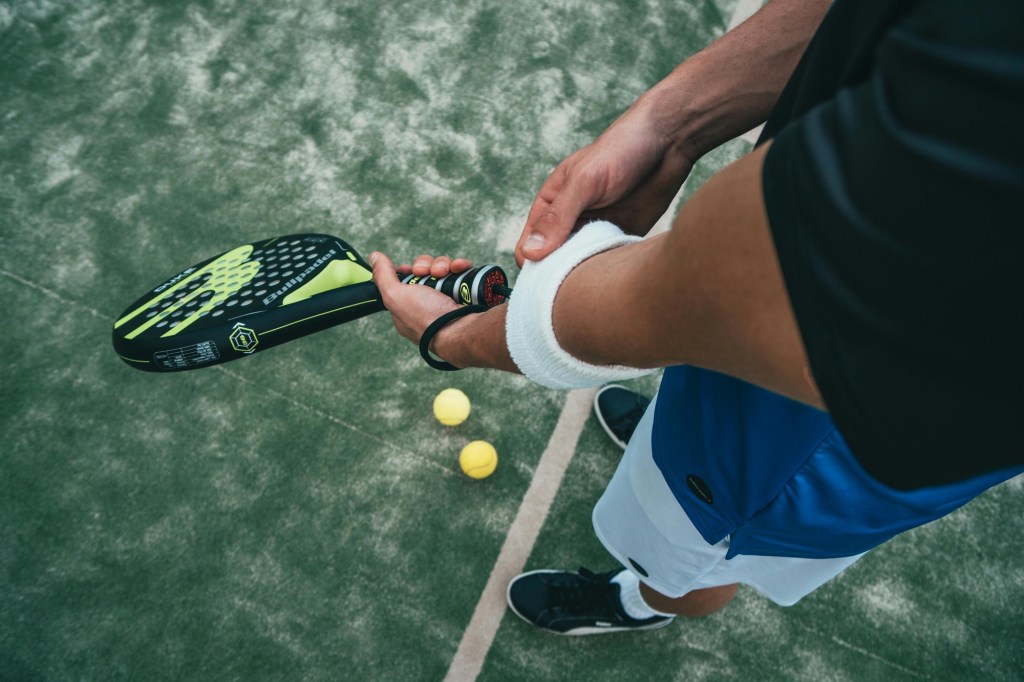
There’s a quiet revolution happening on courts across Indonesia, and it’s dressed in neon-colored rackets and contagious energy. Padel—the sport that’s taken the world by storm—isn’t just growing in Indonesia; it’s thriving, evolving, and carving out its own vibrant culture. What started as an expat-driven hobby in Jakarta’s elite clubs has blossomed into a full-fledged movement, with communities springing up from Bali to Bandung. But this isn’t just another sports trend fading into the background. Padel in Indonesia is getting brighter by the day, and here’s why.
The Perfect Storm: Why Padel Fits Indonesia Like a Glove
Indonesians love sports that are social, fast-paced, and easy to pick up—which is exactly why padel is catching fire. Unlike tennis, which demands years of practice to enjoy, padel’s smaller court and simplified rules make it instantly fun for beginners. Add in the doubles format (meaning no one gets left out), and you’ve got a sport that’s as much about community as it is about competition.
But the real magic is in the numbers. In just two years, the number of padel courts in Indonesia has grown by over 300%, with clubs reporting waiting lists for memberships. Tournaments are popping up nationwide, and social media is flooded with influencers showcasing their padel skills. This isn’t a passing trend—it’s a cultural shift.
The Hidden Engine: How E-Commerce Fuels the Padel Boom
Here’s something most people don’t realize: padel’s growth isn’t just happening on the courts—it’s exploding online. The rise of TikTok Shop, dropshipping, and live-selling has created a perfect ecosystem for padel gear to flourish.
Over 65% of padel equipment sold in Indonesia is imported, with brands like Bullpadel and Nox leading the charge. Why? Because local manufacturers haven’t yet caught up with the demand for high-performance rackets, shoes, and accessories. This gap has opened a goldmine for resellers, especially those leveraging ultra-lightweight shipping to keep costs low and delivery times fast.
Consider this: A premium padel racket weighs less than a bag of sugar, making it ideal for micro-parcel shipping. With platforms like TikTok Shop pushing lightning-fast delivery expectations, resellers using smart logistics solutions are seeing 30% lower shipping costs and 50% faster turnover compared to traditional retail models.
And the demand is only growing. Indonesia’s sports e-commerce market is projected to hit $1.2 billion by 2025, with padel gear as one of the fastest-growing segments. For resellers, this means the earlier you establish your presence, the bigger your slice of the pie.
The Tech Edge: How Innovation is Keeping Padel Ahead
What’s truly exciting is how technology is smoothing the path for padel’s expansion. AI-driven logistics platforms now handle everything from customs clearance to last-mile delivery, meaning a racket ordered from Spain on Monday can be in a player’s hands in Jakarta by Thursday.
But it’s not just about speed—sustainability is becoming a key player too. Lightweight shipping means fewer carbon emissions, and brands are taking note. Eco-conscious padel labels are popping up, using recycled materials for grips, bags, and even racket frames. In a country where 82% of consumers say they prefer sustainable brands, this shift isn’t just nice to have—it’s a business imperative.
The Community Effect: Why Padel is More Than a Sport
What sets padel apart is its built-in social DNA. Unlike solitary sports, padel is played in doubles, often followed by coffee or drinks at the clubhouse. This creates a self-sustaining loop: more players mean more communities, which means more demand for gear, apparel, and events.
Smart businesses are already capitalizing on this. Padel-themed cafes, influencer collaborations, and even padel-centric travel packages are emerging as lucrative spin-offs. The sport isn’t just selling equipment—it’s selling a lifestyle.
The Road Ahead: Why the Best is Yet to Come
As more Indonesians discover padel, three trends will shape its future:
- Local production will rise—but imported gear will still dominate the premium segment.
- Tech will make playing (and selling) even easier, from VR training apps to blockchain-authenticated gear.
- Padel will become a staple of urban Indonesian lifestyle, much like futsal is today.
The bottom line? Padel in Indonesia isn’t just growing—it’s evolving into something bigger than anyone predicted. For players, it’s the joy of a sport that welcomes everyone. For businesses, it’s a rare convergence of passion and profit. And for Indonesia? It’s proof that sometimes, the brightest flames start with the smallest sparks.
One thing’s certain: This is just the beginning of padel’s glow-up—and the view from here is dazzling.
Why Padel Sports is Taking Indonesia by Storm (And What It Means for Your Business)
Indonesia’s love for sports is no secret—badminton, football, and futsal have long dominated the scene. But there’s a new player in town, and it’s growing faster than anyone expected: padel. This fast-paced, social, and highly addictive racket sport is sweeping across cities, filling up courts, and creating a ripple effect in unexpected places—like e-commerce and logistics.
At first glance, padel might seem like just another fitness trend. But dig a little deeper, and you’ll see it’s part of a much bigger shift—one where micro-demand, imported goods, and ultra-lightweight shipping are reshaping how Indonesians shop, sell, and play.
The Padel Boom: More Than Just a Game
Padel, a mix of tennis and squash played on an enclosed court, has exploded globally, and Indonesia is no exception. Cities like Jakarta, Bali, and Bandung are seeing a surge in padel clubs, with memberships selling out fast. In 2023 alone, the number of padel courts in Indonesia grew by over 200%, and the sport’s popularity shows no signs of slowing down.
But here’s the interesting part—padel isn’t just creating athletes; it’s fueling a booming reseller market. Unlike traditional sports where local brands dominate, padel relies heavily on imported gear. High-quality rackets, balls, and accessories from Spain, Argentina, and Mexico are in high demand, and Indonesian resellers are cashing in.
The Reseller Gold Rush: Why Imported Padel Gear is Winning
Walk into any padel community, and you’ll notice something interesting—most players are using imported equipment. Why? Because padel is still new in Indonesia, and local manufacturers haven’t yet caught up with the specialized needs of the sport. This gap has opened a massive opportunity for resellers.
Over 65% of padel equipment sold online in Indonesia is imported, with brands like Bullpadel, Nox, and Adidas leading the charge. Social commerce platforms like TikTok Shop and Instagram Live have made it easier than ever for small sellers to tap into this demand. Dropshippers, in particular, are thriving—by sourcing directly from international suppliers, they’re able to offer premium products without holding inventory.
But here’s the catch: shipping bulky sports gear the old-fashioned way kills profits. Traditional freight methods come with high costs, long delays, and customs headaches. That’s where ultra-lightweight shipping solutions like Padel (the logistics platform, not the sport) come in. By optimizing packaging and using smarter logistics networks, businesses can slash shipping costs by up to 40%, making imported padel gear more affordable—and more profitable for resellers.
How Lightweight Shipping is Changing the Game?
The rise of padel in Indonesia isn’t just about the sport—it’s about how products move. E-commerce in Indonesia is expected to hit $130 billion by 2025, and a huge chunk of that is driven by micro-parcels. TikTok Shop, dropshipping, and live-selling have trained consumers to expect fast, cheap, and reliable deliveries.
For padel resellers, this means every gram matters. A standard padel racket weighs around 350-375 grams—light enough to fit into the “micro-parcel” category, but heavy enough to eat into margins if shipped inefficiently. Companies using lightweight logistics solutions are seeing 30% faster delivery times and 25% lower costs, giving them a serious edge over competitors still relying on traditional couriers.
And it’s not just about speed and savings—sustainability is becoming a key selling point. Indonesia generates 2.3 million tons of packaging waste annually, and consumers are increasingly drawn to brands that minimize their environmental impact. Lightweight shipping means fewer trucks on the road, less packaging, and a smaller carbon footprint—something eco-conscious padel players appreciate.
The Future: Tech, Trends, and Why You Should Care
Padel’s growth in Indonesia is more than a passing trend—it’s a glimpse into the future of retail. Smart logistics, AI-powered tracking, and automated customs clearance are making cross-border trade smoother than ever. For resellers, this means less hassle and more scalability.
And let’s not forget the community factor. Padel is inherently social—it’s played in doubles, often in stylish clubs with cafes and event spaces. This creates a built-in audience for merch, accessories, and even apparel. Savvy sellers are already bundling products (think: rackets + grip tape + branded wristbands) and using social media to tap into the padel lifestyle trend.
The Bottom Line: Why You Should Pay Attention
Whether you’re a sports enthusiast, an e-commerce seller, or just someone watching market trends, padel’s rise in Indonesia is a case study in how niche demand can explode overnight. The combination of import-driven reselling, micro-parcel logistics, and tech-powered shipping is creating opportunities that didn’t exist just two years ago.
So, what’s the takeaway? If you’re in e-commerce, now’s the time to explore lightweight shipping solutions. If you’re a reseller, padel gear is a hot market with room to grow. And if you’re just curious—well, maybe it’s time to grab a racket and see what the fuss is about. One thing’s for sure: Padel isn’t just changing how Indonesians play—it’s changing how they do business.
And that’s a game worth watching.
How Import Resellers Can Ride the Padel Sports Wave in Indonesia?
There’s something electric happening in Indonesia’s sports scene, and if you’re an import reseller, you’ll want to lean in close. Padel—the fast-paced, social racket sport sweeping the globe—has landed in Indonesia, and it’s growing at lightning speed. What started as a niche hobby in upscale Jakarta clubs has quickly turned into a full-blown movement, with new courts popping up in Bali, Bandung, and beyond. But here’s the real opportunity: this isn’t just a sports trend—it’s a golden ticket for resellers who know how to play the game.
Why Padel? Because Imported Gear is Dominating the Market
Walk into any padel club in Indonesia, and you’ll notice something telling—most players are swinging imported rackets, wearing international brands, and using accessories flown in from Spain or Argentina. Unlike badminton, where local brands like Yonex and Li-Ning dominate, padel is still in its infancy in Indonesia, meaning nearly 70% of equipment sold is imported. That’s a massive gap—and a massive opportunity for resellers.
The reason is simple: Indonesian manufacturers haven’t yet cracked the code on high-performance padel gear. Serious players want the same premium rackets, balls, and shoes used by pros in Europe and Latin America. Brands like Bullpadel, Nox, and Adidas are in high demand, and with Indonesia’s padel market projected to grow by 35% annually over the next five years, the window to establish yourself as a go-to supplier is wide open.
The Reseller Boom: TikTok Shop, Dropshipping, and the Power of Micro-Parcels
Here’s where it gets even more interesting. Indonesia’s e-commerce scene is tailor-made for padel resellers. Platforms like TikTok Shop, Instagram Live, and Shopee have turned casual sellers into full-blown entrepreneurs, and lightweight, high-margin products like padel gear are perfect for this model.
Consider this: a premium padel racket weighs just 350-400 grams—well within the sweet spot for micro-parcel shipping, which is revolutionizing cross-border trade. Unlike bulky items that get slapped with heavy shipping fees, padel equipment can be shipped affordably, especially when using ultra-lightweight logistics solutions that cut costs by up to 40%. For resellers, this means higher profit margins and faster deliveries—two things today’s online shoppers demand.
And demand is surging. TikTok Shop Indonesia saw a 150% increase in sports equipment sales in 2023, with padel gear among the fastest-growing categories. Dropshippers are capitalizing on this by sourcing directly from international suppliers, listing products before they even hit warehouses, and fulfilling orders seamlessly. The best part? No need for massive upfront inventory—just smart partnerships and agile shipping.
The Shipping Advantage: How Lightweight Logistics Unlock Profit
Let’s talk about the unsung hero of this reselling boom: ultra-efficient shipping. Traditional freight methods—think sea cargo or standard air shipping—are slow, expensive, and often come with hidden fees. But with Indonesia’s e-commerce shoppers expecting deliveries in 3 days or less, resellers can’t afford delays.
This is where next-gen logistics shine. Companies specializing in lightweight, cross-border micro-parcels are slashing delivery times from weeks to just days, all while keeping costs low. By optimizing packaging (think: slim, durable boxes instead of bulky padding) and using AI-driven route planning, these services ensure padel rackets, grips, and bags arrive quickly—and in perfect condition.
And there’s another perk: sustainability. With Indonesia generating 2.3 million tons of packaging waste annually, eco-conscious consumers are drawn to sellers who minimize their environmental impact. Lightweight shipping means less plastic, fewer emissions, and a greener supply chain—a selling point that can set your store apart.
The Future: Where Padel Reselling is Headed Next
If you’re thinking, “Okay, padel is hot now, but will it last?”—the answer is a resounding yes. Here’s why:
- The sport is still in its early adoption phase. Compared to Spain (where padel is the second most-played sport) or Sweden (with over 500,000 players), Indonesia’s market is just getting started. As more courts open and tournaments emerge, demand for gear will skyrocket.
- Tech is making cross-border reselling easier than ever. AI-powered tools now help with everything from customs clearance to real-time inventory sync, meaning you can manage an international supply chain without the headaches.
- Padel is more than just equipment—it’s a lifestyle. Savvy resellers are already bundling products (rackets + stylish bags + grip tape) and tapping into the athleisure trend, selling padel-inspired apparel and accessories.
How to Get Started (Without the Overwhelm)
If you’re ready to jump in, here’s the good news: you don’t need a massive budget or a warehouse to start. Many successful padel resellers begin with:
- A curated selection of high-demand items (start with 2-3 racket models, balls, and overgrips).
- A reliable international supplier (AliExpress, wholesale partners in Spain, or even direct brand collaborations).
- A lightweight shipping partner to handle fast, affordable deliveries.
Pro tip: Use TikTok Shop’s live-selling feature to demo products in action. Padel is highly visual—showcasing a racket’s spin power or a shoe’s grip can convert browsers into buyers instantly.
The Bottom Line: Now’s the Time to Serve Up Your Strategy
Padel isn’t just a sport—it’s a retail revolution in the making. For import resellers, this is a rare moment where rising demand, efficient shipping, and untapped branding opportunities collide. The early movers are already carving out their niches, and with Indonesia’s padel wave still building, there’s plenty of room to join them.
So, whether you’re a seasoned e-commerce seller or just testing the waters, ask yourself: Will you watch from the sidelines—or step onto the court and play to win? One thing’s certain: In the game of padel reselling, the next big point could be yours.