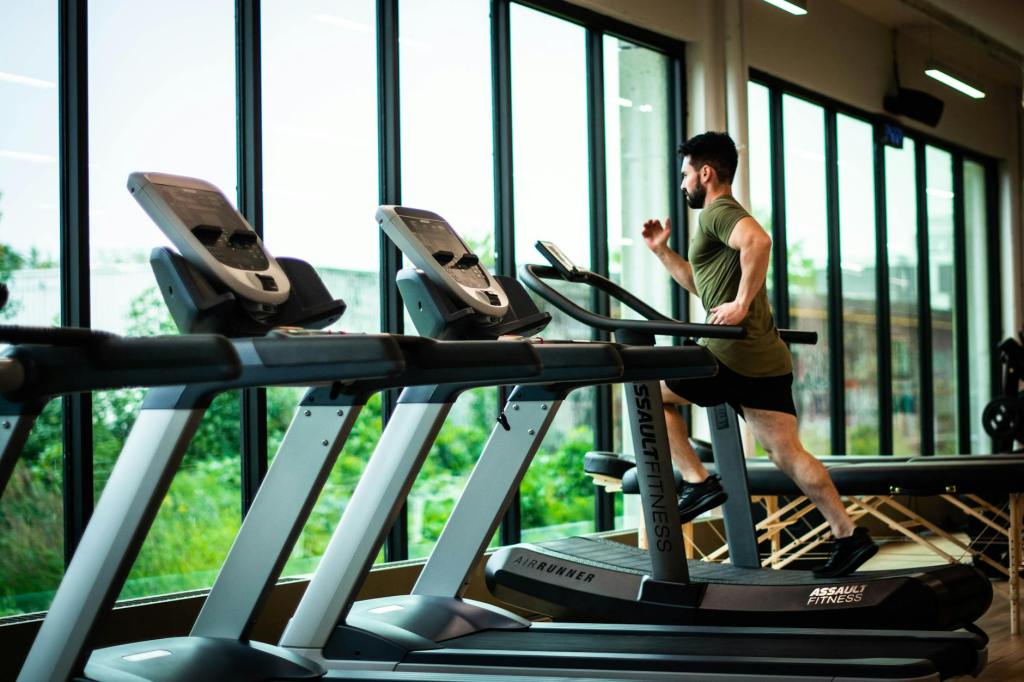
In recent years, the world has witnessed an unprecedented boom in the fitness industry, with gyms popping up in cities, suburbs, and even small towns at a pace never seen before. The global fitness market, valued at over USD 100 billion in 2023, is projected to grow at a CAGR of more than 7% through 2030, and this growth is being fueled by a powerful combination of lifestyle changes, health awareness, social media influence, and a consumer shift towards long-term wellness investments. What was once considered a niche activity for bodybuilders and athletes has now transformed into a mainstream cultural movement embraced by people across all demographics and income levels. This transformation is not just about people exercising; it’s about a societal shift towards prioritizing health, mental well-being, and social connection as part of everyday life, creating fertile ground for gyms and fitness chains to expand aggressively.
One of the key drivers behind this surge is the rise of the “fitness lifestyle” as a social and aspirational trend. More than 1.4 billion people worldwide now engage in some form of structured fitness activity, from high-end boutique studios to budget-friendly 24-hour gyms, and much of this growth is being amplified by social media platforms like Instagram, TikTok, and YouTube. Influencers and fitness coaches have transformed workouts from a personal health routine into a lifestyle showcase, with brands like F45, Barry’s Bootcamp, and Orangetheory Fitness becoming as recognizable as fashion labels in the eyes of younger consumers. This shift is not just about looking fit—it’s about aligning oneself with a global culture of self-care, discipline, and social engagement, which has proven to be a powerful motivator for gym memberships and fitness-related spending.
From a market perspective, Asia-Pacific is currently the fastest-growing region for fitness facilities, driven by rising disposable incomes, urbanization, and younger populations eager to adopt Western-inspired health trends. China’s fitness market alone has more than doubled in the last five years, while Southeast Asia, particularly Indonesia, Thailand, and Vietnam, is seeing double-digit growth rates as international chains like Anytime Fitness and local boutique studios expand aggressively. In the United States, where the market is already mature, growth is being fueled by diversification—gyms are no longer just about weights and treadmills but about providing experiences such as functional training zones, recovery lounges, and wellness integrations like nutrition counseling and mindfulness classes. This diversification has allowed operators to tap into new demographics, from senior citizens to children, creating multiple revenue streams.
The economics of running a gym today also help explain their rapid proliferation. Thanks to advances in fitness equipment manufacturing, modular facility design, and franchising models, the capital required to open a small to mid-sized gym has decreased significantly compared to a decade ago, making it easier for entrepreneurs to enter the market. Franchises like Anytime Fitness, which boasts over 5,000 locations worldwide, operate on lean staffing models and 24/7 access systems, allowing for lower labor costs and high scalability. Boutique gyms, while more expensive to launch, command higher membership fees and enjoy stronger brand loyalty, often leveraging limited class sizes and personalized experiences to justify premium pricing. The result is a business model that, when paired with rising consumer demand, has proven both profitable and resilient—even bouncing back quickly from pandemic-era shutdowns.
Technology has also been a major catalyst in this growth. Wearable devices, mobile fitness apps, and AI-driven training programs have blurred the line between at-home and in-gym workouts, making gyms more appealing as part of a hybrid fitness approach. Brands like Peloton, once seen as a threat to gyms, are now partnering with physical facilities to offer integrated membership experiences. Smart equipment that tracks performance, personalized training algorithms, and on-demand video classes have turned the gym visit into a data-driven, results-focused activity. For consumers, this means better progress tracking, higher engagement, and a more tangible sense of return on their fitness investment, all of which translate into longer membership retention and positive word-of-mouth marketing.
The pandemic also played an unexpected role in fueling the post-2020 gym boom. While initial lockdowns forced many facilities to close, the resulting shift in public consciousness around health has been lasting. People emerged from the pandemic with a stronger appreciation for physical fitness as a preventive health measure, and the surge in chronic conditions such as obesity, diabetes, and cardiovascular disease only reinforced the importance of staying active. In many markets, gyms have positioned themselves not just as workout spaces but as essential hubs for physical and mental resilience, offering everything from immune-boosting group classes to stress-reducing yoga sessions. The combination of physical health benefits and the social interaction people craved after isolation has created a powerful draw to return to or join gyms for the first time.
Globally, the fitness industry is also benefiting from government and corporate wellness initiatives. In countries like Singapore, Japan, and Australia, government policies actively encourage physical activity through subsidies, workplace wellness programs, and public-private partnerships with gyms. In the corporate sector, companies are increasingly offering gym memberships or on-site fitness facilities as part of employee benefit packages, recognizing the link between regular exercise and improved productivity, lower healthcare costs, and reduced absenteeism. This institutional backing not only drives steady membership numbers but also integrates gyms into the very fabric of modern work-life culture.
The branding of gyms has evolved in tandem with this growth. Modern fitness brands position themselves as lifestyle partners rather than mere service providers, with merchandise, nutritional products, retreats, and social events becoming core parts of their business. Brands like Equinox, which markets itself as a luxury lifestyle club, and Planet Fitness, which promotes an inclusive “Judgment Free Zone,” demonstrate how strategic positioning can capture different consumer segments while maintaining strong brand identity. Even budget gyms are adopting experiential marketing strategies, leveraging community challenges, transformation contests, and influencer collaborations to keep members engaged and attract new sign-ups.
From a consumer behavior perspective, the willingness to spend on fitness has shifted significantly. Millennials and Gen Z, in particular, are allocating a higher percentage of disposable income to health and wellness experiences than previous generations, often prioritizing them over material goods. This demographic also values flexibility and choice, which has fueled the rise of multi-gym access platforms like ClassPass, allowing users to sample different workouts across multiple studios. This fluidity benefits both consumers, who enjoy variety, and gym owners, who gain exposure to potential long-term members. The subscription economy mindset, already prevalent in streaming and e-commerce, has naturally extended to fitness memberships, making recurring payments feel like a normal part of lifestyle spending.
Looking ahead, the expansion of gyms worldwide shows no signs of slowing. Urban population growth, the global wellness economy’s projected expansion to USD 7 trillion by 2025, and the increasing integration of fitness into healthcare systems all point to a sustained demand curve. Emerging markets will continue to see the highest percentage growth, while mature markets will focus on innovation, personalization, and technology integration to maintain competitive advantage. For investors and entrepreneurs, the fitness industry offers a compelling combination of cultural relevance, scalability, and recurring revenue potential, making it one of the most attractive sectors in the consumer services space today.
In essence, the global explosion of gyms is the result of a perfect storm—a cultural embrace of the fitness lifestyle, accessible and scalable business models, technological enhancement, and deep integration into health, work, and social life. What was once a discretionary hobby has become a near-essential aspect of modern living, and the market’s momentum is only accelerating. As more consumers around the world step onto treadmills, join spin classes, or participate in functional training circuits, they’re not just exercising; they’re participating in a global movement that blends health, community, and identity. And in that movement, gyms have found their golden era—one that promises both immense growth and a lasting impact on how the world approaches personal well-being.
How social media fuel the desire for the trend of fitness and gym become popular?
The rapid rise of fitness culture and the explosion of gyms worldwide cannot be separated from the undeniable influence of social media, which has transformed health and exercise from a private routine into a global lifestyle statement. Social media has turned fitness into a form of entertainment, personal branding, and aspirational living, making it as much about visibility as it is about health. Platforms like Instagram, TikTok, and YouTube have become powerful catalysts, where workout videos, transformation stories, and gym fashion trends circulate at lightning speed, inspiring millions to join the movement. The global fitness industry, worth over USD 100 billion in 2023, has found in social media not just a marketing channel but the very fuel for its growth, reaching audiences in every corner of the world and turning gyms into hubs of both personal improvement and social engagement.
One of the most significant shifts brought by social media is the democratization of fitness inspiration. Before the rise of digital platforms, fitness role models were mainly athletes, celebrities, or elite trainers featured in traditional media, but today, anyone can share their fitness journey, regardless of their starting point. This inclusivity has expanded the market beyond niche enthusiasts to a mass audience, encouraging people from diverse age groups, body types, and cultural backgrounds to see the gym as an accessible and relatable space. Influencers with millions of followers, like Chris Bumstead in bodybuilding or Kayla Itsines in functional training, have built entire business empires from their online presence, selling workout programs, branded equipment, and activewear lines. This blend of personal storytelling and commercial opportunity has created a feedback loop—more content inspires more participation, which generates more content, continuously fueling interest in gym culture.
The visual nature of platforms like Instagram has also elevated the aesthetic appeal of fitness. The “Instagrammable gym” has become a trend in itself, with modern fitness centers investing in stylish interiors, high-quality lighting, and branded workout zones specifically designed for social media content creation. This has blurred the line between a workout session and a personal photoshoot, encouraging members to share their routines and locations with their followers. In turn, this user-generated content serves as organic marketing for gyms, with each post functioning as a personal endorsement that reaches a ready-made audience. As a result, gyms that embrace design and branding for digital visibility often outperform competitors that stick to traditional functional layouts, proving how intertwined social media aesthetics and commercial success have become.
The social proof generated on these platforms plays a crucial role in influencing consumer behavior. Seeing friends, colleagues, or admired personalities consistently posting gym check-ins, progress photos, or group workout sessions creates a psychological trigger known as the “bandwagon effect”, where people feel compelled to join in to be part of the trend. This peer influence is particularly strong among younger generations like Millennials and Gen Z, who are more likely to view experiences and self-improvement as status symbols over material possessions. Fitness challenges, often trending under viral hashtags, add another layer of engagement, with campaigns like “75 Hard” or “Plank Challenge” motivating thousands to take part, track their progress, and publicly share their results, all while normalizing gym participation as part of daily life.
From a market growth perspective, the fusion of social media and fitness has expanded the industry’s global reach in unprecedented ways. Online visibility allows fitness brands, equipment manufacturers, and gym franchises to promote their offerings beyond local boundaries, tapping into international markets without the need for physical presence. This is particularly impactful in emerging economies, where exposure to Western fitness culture through social media drives aspirational demand for premium gym memberships, boutique studios, and branded activewear. Brands like Nike, Lululemon, and Gymshark have mastered this model, creating digital-first campaigns that not only sell products but also reinforce a lifestyle identity rooted in strength, vitality, and style, turning their followers into loyal brand advocates.
Social media has also transformed the fitness industry’s monetization model. Trainers, athletes, and even regular gym-goers can now earn income through sponsored posts, affiliate sales, and online coaching, creating an entire micro-economy built around fitness content. This has lowered the barrier to entry for fitness entrepreneurship, as aspiring trainers no longer need to rent studio space or rely on local clientele—they can reach a paying audience anywhere in the world with a smartphone and an internet connection. This shift has encouraged more people to join gyms not only for personal health but also for content creation, brand collaborations, and business opportunities, further embedding fitness culture into the digital economy.
The pandemic years accelerated this digital-fitness integration even further. With gyms closed, millions turned to online workouts, live-streamed classes, and virtual training programs, many of which were shared or discovered through social media. This not only kept people active but also deepened the habit of consuming fitness content daily. As restrictions lifted, the return to physical gyms was driven in part by a renewed desire to create in-person, shareable experiences—whether that meant attending a group class with friends or posting a comeback workout video. The hybrid fitness model, blending in-gym sessions with at-home content, has since become a dominant trend, keeping gyms relevant while expanding their potential customer base.
Another layer of influence comes from the way social media amplifies fitness fashion and accessories. Activewear brands have capitalized on the rise of athleisure, making gym clothing stylish enough to wear both during workouts and in everyday settings, which in turn makes people more inclined to showcase their outfits online. Collaborations between celebrities and fitness brands—such as Adidas x Beyoncé’s Ivy Park or Alo Yoga’s partnerships with high-profile influencers—generate massive digital buzz, often selling out products within hours. The visibility of these trends on social media reinforces the association between fitness and aspirational lifestyle, turning gym visits into both a health activity and a fashion statement.
The data-driven nature of social media also gives gyms and fitness brands unprecedented insight into consumer behavior. By tracking engagement rates, hashtag performance, and audience demographics, businesses can tailor their offerings and marketing strategies with pinpoint accuracy, ensuring they resonate with their target audience. For example, if short-form workout clips perform better than long instructional videos, gyms can adjust their content output accordingly, keeping their digital presence aligned with audience preferences. This level of adaptability allows fitness businesses to stay ahead of trends and maintain relevance in an industry where novelty and engagement are critical to sustained growth.
Ultimately, the relationship between social media and the popularity of gyms is symbiotic. Social media thrives on visually appealing, emotionally engaging, and aspirational content, while gyms provide the perfect backdrop and subject matter for that content. The more fitness-related posts flood digital feeds, the more normalized and desirable gym culture becomes, encouraging even casual observers to take part. This cycle continuously expands the fitness market, drives innovation in gym design and services, and elevates the value of the fitness lifestyle in the eyes of consumers worldwide.
In conclusion, the surge in gym popularity is not merely a result of increased health awareness—it is the outcome of a cultural transformation powered by social media. Platforms have turned fitness into a global conversation, a form of personal expression, and a commercial opportunity all at once, creating a self-sustaining ecosystem where inspiration, aspiration, and participation feed into one another. As long as digital platforms continue to dominate daily life, the gym will remain not only a place to work out but also a stage where people perform, connect, and define their identity, ensuring that the social media–fitness connection will keep this trend thriving for years to come.
How luxury gym which getting much popular in recent times due to the exclusivity?
The rise of luxury gyms in recent years reflects a significant shift in how consumers view fitness, transforming it from a basic health necessity into a high-end lifestyle statement driven by exclusivity, premium services, and social prestige. The global luxury fitness club market, valued at an estimated USD 15–20 billion in 2023, is growing faster than the broader fitness industry, with some markets reporting annual growth rates of over 8% as affluent consumers demand more personalized, immersive, and status-driven wellness experiences. Unlike traditional gyms, luxury fitness spaces are designed not just for physical training but as curated environments that combine state-of-the-art facilities, cutting-edge technology, and elevated social networking opportunities. This has positioned them as a hybrid between a health destination, a private members’ club, and a luxury hospitality venue, appealing to a demographic that values exclusivity as much as physical results.
One of the most compelling reasons behind this surge is the experience-driven economy, where high-net-worth individuals are increasingly seeking premium, private, and personalized services that align with their lifestyle and social identity. Luxury gyms cater to this demand by offering amenities such as designer interiors, spa-grade locker rooms, organic smoothie bars, infrared saunas, cryotherapy chambers, and in-house physiotherapists or nutritionists. In cities like London, New York, Dubai, Singapore, and Hong Kong, memberships to elite clubs like Equinox, Third Space, or The Burrow can run from USD 300 to over USD 1,000 per month, with long waiting lists reinforcing the allure of scarcity and prestige. This exclusivity not only protects the member experience by keeping facilities uncrowded but also turns the membership itself into a form of social currency—something to be flaunted on social media and discussed in high-profile circles.
From a business perspective, luxury gyms operate on a fundamentally different economic model compared to mass-market fitness chains, focusing on low-volume, high-margin memberships rather than maximizing member count. This allows them to maintain an exceptional level of service while generating strong per-member revenue. The strategy mirrors that of luxury hotels or private aviation services, where personalized attention, brand prestige, and unique experiences justify premium pricing. Additionally, these gyms often integrate vertically by selling branded activewear, supplements, skincare products, and exclusive wellness retreats, creating a broader ecosystem of high-value offerings that deepen brand loyalty and increase lifetime customer value. By positioning themselves as more than a gym, they ensure that members see their fees not as a cost, but as an investment in health, network, and lifestyle.
The role of technology in the luxury gym segment has also been transformative. Advanced biometric tracking, AI-powered personal training, and virtual reality workout simulations have become standard in high-end fitness clubs, offering members precision and customization that mass-market gyms cannot match. Some facilities integrate data from wearable devices directly into their training programs, allowing real-time adjustments to workout intensity and nutrition plans. Others provide private studios equipped with immersive digital environments for yoga, cycling, or strength training, blending wellness with entertainment. This technological edge not only delivers better results but also appeals to affluent, tech-savvy consumers who value innovation as part of their wellness journey.
Exclusivity in luxury gyms also extends to their role as networking hubs for the elite, where members can socialize, collaborate, and form connections in an environment that naturally filters for a certain demographic. Much like private golf clubs or luxury co-working spaces, these gyms offer a built-in community of like-minded individuals, often from high-income, entrepreneurial, or influential backgrounds. The discreet, members-only nature of these clubs fosters trust and privacy, allowing high-profile clients—ranging from celebrities and CEOs to professional athletes—to train without the risk of unwanted attention. This dynamic has turned certain luxury gyms into coveted spaces where business deals, collaborations, and social alliances are formed alongside fitness goals.
Geographically, the luxury gym trend is global, with particularly strong growth in markets where income inequality is rising and aspirational lifestyles are in demand. In Asia, cities like Singapore, Shanghai, and Bangkok have seen a surge in boutique, high-end fitness spaces catering to expatriates, executives, and wealthy locals. In the Middle East, Dubai and Riyadh are leading with opulent, resort-style gyms that blend fitness with luxury hospitality, complete with rooftop pools, personal chefs, and members-only wellness retreats. In North America and Europe, the growth is driven by a blend of established players expanding their footprint and new entrants carving niche offerings, such as women-only luxury clubs or integrated wellness and medical fitness centers. This global spread indicates that exclusivity, when combined with wellness, resonates across cultures and economic systems.
The marketing of luxury gyms has also evolved into a sophisticated art form. Rather than traditional advertising, high-end clubs rely heavily on brand storytelling, curated social media content, and influencer partnerships to maintain an aura of aspiration and inaccessibility. Instagram feeds showcasing minimalist interiors, celebrity clients, and meticulously plated post-workout meals create a sense of “if you know, you know” appeal. Many luxury gyms avoid mass promotions altogether, instead relying on member referrals and selective invitations to reinforce their premium positioning. This scarcity marketing model taps into human psychology, making the offering more desirable precisely because it appears difficult to access.
From the consumer side, the willingness to pay for such experiences is tied not only to disposable income but also to the growing association between wellness and personal brand identity. For affluent consumers, being part of an exclusive fitness community signals discipline, health consciousness, and a certain social standing. Posting a photo from a workout at an elite club carries similar cultural capital to dining at a Michelin-starred restaurant or vacationing in a five-star resort. This merging of health, luxury, and social proof has made high-end gyms a natural extension of other lifestyle luxury categories, such as fashion, travel, and fine dining.
While luxury gyms are a relatively small segment of the global fitness market, their influence extends far beyond their direct customer base. They set trends in design, technology, and service standards that eventually filter down to mid-tier and budget gyms, much like luxury fashion influences fast fashion. The introduction of spa-inspired recovery zones, personalized training programs, and advanced health diagnostics in mainstream gyms often originates from innovations tested in the luxury segment. In this way, high-end clubs function as laboratories for the industry, experimenting with concepts that redefine the fitness experience at all levels.
Looking ahead, the luxury gym market is poised for sustained growth, supported by macro trends such as the global wellness economy’s projected expansion to USD 7 trillion by 2025, the rise of “health is wealth” consumer mindsets, and the continued blurring of boundaries between fitness, hospitality, and lifestyle sectors. Investors and entrepreneurs are increasingly viewing luxury fitness as a resilient asset class, one that is less vulnerable to economic downturns because its clientele tends to be less price-sensitive. Furthermore, the shift towards holistic wellness—integrating mental health, nutrition, and recovery into fitness—provides ample opportunity for luxury gyms to expand their value proposition even further.
In essence, the popularity of luxury gyms in recent times is a product of cultural evolution, economic stratification, and the redefinition of what fitness means in a modern context. They are no longer simply spaces to lift weights or run on treadmills—they are curated environments where exclusivity, innovation, and status converge, offering members not just improved physical health but a lifestyle that reflects their values and ambitions. As this sector continues to innovate and expand globally, it will not only shape the future of high-end fitness but also influence the entire wellness industry, proving that in the world of modern fitness, exclusivity is not a limitation—it is the very driver of desirability.
Why should you ship with SindoShipping and how is our company able to help you and your business to ship your goods and products to Indonesia?
Our company vision is to help companies around the world to be able to export their products to Indonesia with ease and expand their market worldwide especially in South East Asia as Indonesia is the leading internet market and largest economy around the region and to help ease the process of importation to the country and we want to help millions of Indonesian to access products worldwide with effective shipping system.
With the proper documentation and brokerage, we are able to help our customers ship a few categories of goods which have limited restrictions to Indonesia without any hassle to the customers address directly as we understand the process and the regulation of the imports including the taxation process of imports.
SindoShipping specialized in electronics, high tech products, cosmetics, luxury branded, toys, supplement and vitamins, fashion, bags and shoes, and traditional medicine shipping to Indonesia since 2014 with the top accuracy of shipment service and the live tracking available during the cross border shipment so the customer can feel safe and secure about their shipping. Contact us now for further details at 6282144690546 and visit out site sindoshipping.com





 SindoShipping